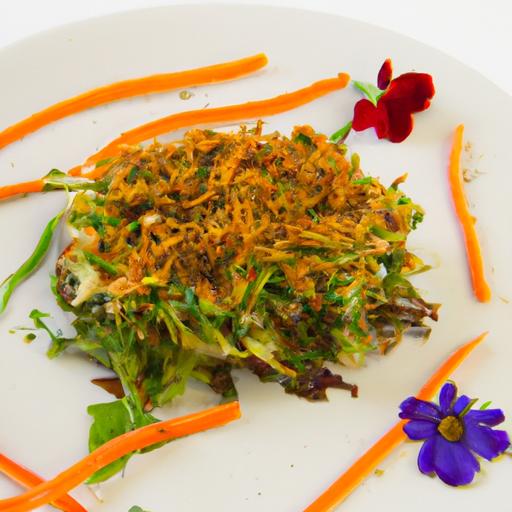

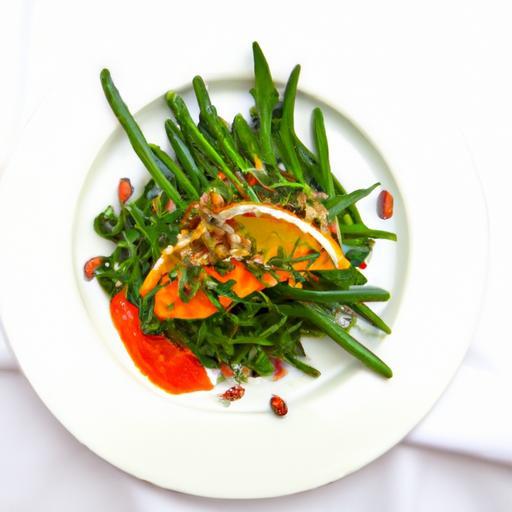
In kitchens and cafés around the world, a quiet revolution is stirring-one that’s painting plates in vibrant hues of green, orange, and purple while redefining what it means to eat well. Welcome to the era of plant-based meals, where creativity meets conscience, and flavors blossom from the earth’s bounty rather than the butcher’s block. As concerns over health, sustainability, and ethical eating continue to grow, so does the allure of dishes rooted in plants. This article dives into the rise of these green plates, exploring how plant-based meals are transforming not just our menus, but our cultural relationship with food itself.
Green Plates fuel our bodies and planet alike, making them a powerful choice to embrace both health and sustainability. With vibrant colors, bold flavors, and nourishing ingredients, these meals uplift energy levels while reducing environmental strain-proving wholesome eating can be both delicious and eco-kind.
Prep and Cook Time
readiness: 15 minutes | Cooking: 25 minutes | Total: 40 minutes
Yield
Serves 4
Difficulty Level
Easy to Medium
Ingredients
- 1 cup quinoa, rinsed and drained
- 2 cups vegetable broth (low sodium)
- 1 tbsp extra virgin olive oil
- 1 medium red onion, finely chopped
- 3 cloves garlic, minced
- 1 cup cherry tomatoes, halved
- 1 medium zucchini, diced
- 1 cup kale, finely shredded
- 1/2 cup cooked chickpeas (or canned, drained)
- 1 tsp smoked paprika
- 1/2 tsp ground cumin
- Salt and freshly ground black pepper, to taste
- Juice of 1 lemon
- 1/4 cup chopped fresh parsley
- 1/4 cup toasted pumpkin seeds (optional for crunch)
Instructions
- Cook the quinoa: In a medium saucepan, combine rinsed quinoa and vegetable broth. Bring to a boil, reduce heat, cover, and simmer for 15 minutes or until liquid is absorbed. Remove from heat and fluff with a fork.
- Sauté aromatics: While quinoa cooks, heat olive oil in a large skillet over medium heat. Add chopped red onion and sauté until translucent, about 3-4 minutes.
- Add garlic and spices: Stir in minced garlic, smoked paprika, and cumin. Sauté for 1 minute until fragrant, careful not to burn the garlic.
- Cook vegetables: Add zucchini, cherry tomatoes, and kale to the skillet. Sauté until tender, roughly 5-7 minutes, stirring occasionally to ensure even cooking.
- Combine chickpeas and quinoa: Gently fold in cooked chickpeas and fluffed quinoa into the skillet. Mix thoroughly to integrate flavors and warm through, 2-3 minutes.
- Season and finish: Remove from heat, squeeze fresh lemon juice over the mixture, and add salt and black pepper to taste. Stir in chopped parsley for a burst of freshness.
- Serve: Plate the quinoa mixture and sprinkle with toasted pumpkin seeds for added texture and nutrients.
Tips for Success
- use freshly rinsed quinoa to remove its natural bitterness before cooking for a clean, nutty base.
- Swap kale for spinach or Swiss chard if you prefer a milder green or want a quicker cook time.
- For a smoky depth, try adding a dash of liquid smoke or smoked sea salt instead of paprika.
- Make ahead by cooking quinoa and sautéing vegetables separately; combine just before serving to keep flavors luminous.
- For added protein, boost chickpeas to 1 cup or add a handful of hemp seeds sprinkled on top.
Serving Suggestions
Serve this vibrant quinoa bowl as a main dish or a hearty side. Garnish with fresh lemon wedges and a drizzle of tahini or your favorite herbaceous pesto to elevate the flavour profile. This dish pairs perfectly with a crisp arugula salad and a chilled glass of lightly sparkling water with citrus slices for a refreshing meal.

| Nutrient | Amount per Serving |
|---|---|
| Calories | 320 kcal |
| Protein | 12 g |
| Carbohydrates | 45 g |
| Fat | 7 g |
Discover more vibrant plant-based dishes in our Vegan Dinner Inspirations post for ideas that make green eating exciting and accessible. To understand the environmental benefits of plant-forward meals, visit WWF’s guide on sustainable diets for trusted insights.
Q&A
Q&A: Green Plates – Exploring the Rise of Plant-Based Meals
Q1: What exactly are plant-based meals, and how do they differ from vegetarian or vegan diets?
A1: Plant-based meals center around foods derived from plants-think vegetables, fruits, grains, nuts, and legumes. While vegetarian and vegan diets exclude meat (and in veganism’s case, all animal products), plant-based eating focuses more on incorporating more plants into your diet rather than strict avoidance. It’s a flexible approach, celebrating plants as the star rather than simply cutting out animal foods.
Q2: Why are plant-based meals gaining popularity now?
A2: Several forces are converging: awareness about health benefits, environmental concerns, and ethical considerations about animal welfare are propelling people toward greener plates.Plus,innovations in food technology mean these meals are tastier and more accessible than ever before. Add social media’s powerful influence, and it’s easy to see why plant-powered dishes are taking over menus everywhere.
Q3: How do plant-based meals benefit our health?
A3: Plant-based meals tend to be rich in fiber, vitamins, and antioxidants while typically lower in saturated fats and cholesterol.This combo supports heart health, aids digestion, stabilizes weight, and can even reduce risks of chronic diseases like type 2 diabetes and certain cancers. Simply put, your body often feels fresher and more energized with a diet rich in plants.
Q4: What impact do plant-based meals have on the habitat?
A4: the environmental footprint of plant-based foods is generally lighter-requiring fewer natural resources like water and land, and producing less greenhouse gas emissions compared to animal agriculture. Choosing plants over meat can be a delicious way to shrink your carbon footprint and support a more sustainable planet.
Q5: Are plant-based meals tough to prepare or less satisfying?
A5: Not at all! Today’s plant-based cuisine is a vibrant celebration of flavors, textures, and colors. With creative recipes and exciting ingredients-think jackfruit tacos, chickpea curries, or mushroom “steaks”-these meals can be just as hearty and satisfying as conventional ones. Plus, the rise of plant-based meat alternatives means options abound for every palate.
Q6: How can someone start incorporating more plant-based meals into their routine?
A6: Start small! Begin by swapping one meal a day or week with a plant-based option. Experiment with familiar dishes transformed through plant ingredients-like lentil Bolognese or cauliflower wings.Explore local farmers’ markets for fresh produce and try new recipes to keep it fun and inspiring. Remember, the goal is progress, not perfection.
Q7: Are plant-based meals accessible and affordable for everyone?
A7: Yes! While some specialty products can be pricey, many plant-based staples such as beans, rice, oats, and seasonal vegetables are budget-friendly and widely available. Cooking at home and focusing on whole foods rather than processed alternatives can keep costs down and meals nutritious.
Q8: What does the future hold for plant-based eating?
A8: The future looks lush and green. Advances in food science promise even more delicious and sustainable plant-based options, while increased awareness continues to shift consumer habits globally. From restaurants to grocery aisles, plant-based meals are poised to become mainstream staples-inviting everyone to savor the vibrant benefits of eating with the planet in mind.
Embracing green plates means nourishing your body, honoring the Earth, and delighting your palate-all one plant-based bite at a time. Ready to join the culinary revolution?
The Way Forward
As the vibrant colors of plant-based plates continue to brighten menus around the world, they tell a story much larger than mere sustenance. Green plates symbolize a shift toward mindful eating-where health,environment,and innovation intertwine on every forkful. Whether you’re a curious newcomer or a devoted herbivore, embracing plant-based meals invites a delicious journey into a future where food nourishes both body and planet. So next time you sit down to eat, consider making your plate a little greener-it’s a small change that sprouts enormous possibilities.