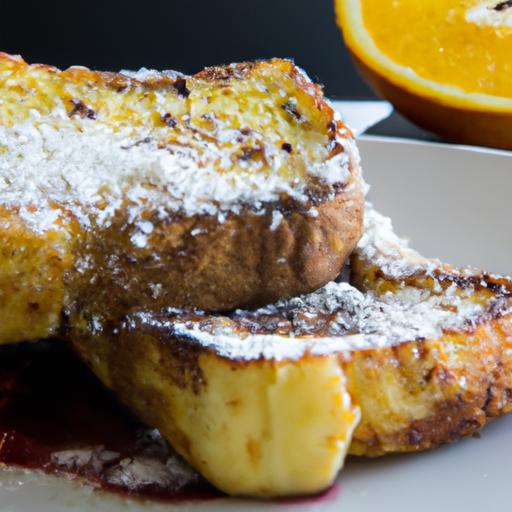

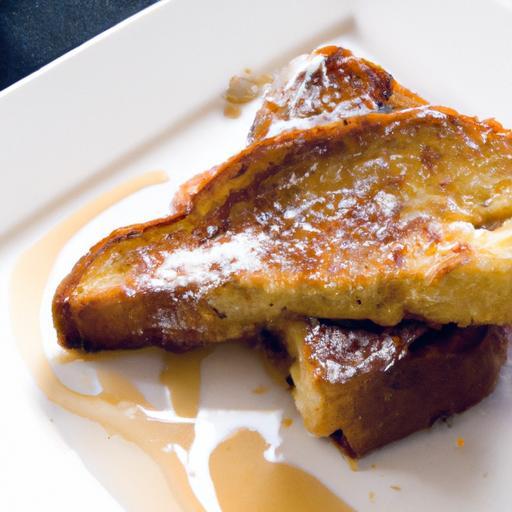
There are mornings that whisper promise and others that shout celebration-and then there is that rare, radiant occasion when breakfast transcends routine to become a golden morning delight. Baked French toast, with its irresistible blend of custardy softness and caramelized crispness, embodies this very magic. More than just a dish, it is an artful symphony of texture, flavor, and aroma that transforms simple ingredients into a comforting feast. In this article,we unravel the secrets behind perfecting baked French toast,from selecting the ideal bread to mastering the custard soak,inviting you to elevate your mornings into moments of pure,sunlit indulgence.
Golden Morning Delight: The Art of Baked French Toast starts with crafting the perfect custard blend-a luscious mixture that defines the texture and flavor of this beloved breakfast classic. This custard bath is where creamy richness meets subtle sweetness, soaking the bread and transforming it into an irresistibly tender, yet slightly custardy marvel once baked.
The Perfect Custard Blend for Irresistible Texture
To achieve a custard with an enviable velvety texture, balancing the dairy and eggs is essential. Whole milk and heavy cream add creaminess and depth, while fresh eggs bind it all together with their silky body. A touch of vanilla and cinnamon enhances warmth without overpowering, and a dash of salt rounds out the flavor.
Incorporating the custard slowly and allowing the bread to soak adequately – ideally 30 minutes to an hour – ensures the custard permeates the bread’s crumb without turning soggy. For those seeking the ultimate custardy bite, adding a little brown sugar or maple syrup into the custard acts as both sweetener and caramelizing agent during baking.
Choosing the Best Bread for Baked French Toast
Opting for the right bread is crucial for texture and flavor contrast. Thickly sliced day-old brioche or challah are top contenders because of their sturdy yet tender crumb that soaks custard well without collapsing. Their slight sweetness complements the custard beautifully, creating layers of flavor.
Alternatively, sourdough adds a subtle tang that balances the richness perfectly, while a sturdy ciabatta or Texas toast provides extra chew and holds shape during baking.Avoid breads that are too fresh or flimsy, as they may disintegrate or fail to absorb the custard properly.
Mastering Oven Temperatures for Evenly Cooked Delight
Baked French toast requires a moderate oven temperature – typically around 350°F (175°C) – to cook evenly without drying out or burning the edges. A preheated oven and a well-greased baking dish allow consistent heat to surround the custard-soaked bread.
For a golden, slightly crisp top, broil for the last 2-3 minutes-keeping a close eye to avoid scorching. Using an oven thermometer ensures precision, while placing the baking dish in the center rack promotes even baking. Remember, patience is key; rushing with a higher temperature can yield unevenly cooked toast and a rubbery texture.
Toppings and Twists to Elevate Your Morning Treat
Elevate your Baked French Toast with toppings that add contrast in texture, sweetness, and freshness. Start with a dusting of powdered sugar or a generous drizzle of pure maple syrup for classic appeal.
Fresh berries, sliced bananas, or stewed stone fruits inject vibrant color and refreshing acidity. Nutty crunch can come from toasted pecans, walnuts, or almond slivers. For an indulgent twist, swirl in mascarpone or a dollop of whipped cream, and sprinkle dark chocolate shavings or a hint of nutmeg.
herbal notes like fresh mint or basil provide a surprising aromatic lift, making every bite a symphony of flavors. For a savory option, try crème fraîche and smoked salmon, with a gentle sprinkle of chives.
Prep and Cook Time
- Preparation: 15 minutes (plus 30-60 minutes soaking)
- Cook Time: 45 minutes
Yield
Serves 6 generous portions
Difficulty level
Medium-Perfect for home cooks with basic baking experience aiming for a restaurant-quality breakfast
Ingredients
- 8 large eggs,room temperature
- 1 ½ cups whole milk
- 1 cup heavy cream
- ½ cup granulated sugar (optional: ¼ cup brown sugar for caramel notes)
- 1 tablespoon pure vanilla extract
- 1 teaspoon ground cinnamon
- ¼ teaspoon kosher salt
- 1 loaf day-old brioche or challah,sliced 1½ inches thick
- Butter for greasing the pan
- Powdered sugar,fresh fruit,nuts,and syrup for serving
Instructions
- Preheat your oven to 350°F (175°C). Butter a 9×13-inch baking dish generously.
- In a large bowl, whisk together eggs, whole milk, heavy cream, sugar, vanilla extract, cinnamon, and salt until fully combined.
- Arrange the brioche slices in the baking dish in a single layer. Pour the custard evenly over the bread, pressing slices gently to soak. Cover and refrigerate to soak for 30 minutes to 1 hour for best results.
- After soaking, remove dish from the fridge. Let sit at room temperature for 10 minutes before baking.
- Bake uncovered for 40-45 minutes until custard is set and edges are golden brown. To get a crispier top,broil on high for 2-3 minutes,watching closely.
- Remove from oven and let cool 5 minutes before slicing to serve.
Tips for Success
- Day-old bread soaks custard best; fresh bread tends to become mushy.
- For a dairy-free version, substitute coconut milk for cream and almond milk for whole milk.
- Soaking time is flexible but essential-longer soak ensures custard absorption.
- use a glass or ceramic baking dish for even heat distribution.
- Prepare the night before for an effortless morning bake.
Serving Suggestions
Serve slices warm with a dusting of powdered sugar and a drizzle of warm maple syrup. Add a handful of fresh raspberries or blueberries for vibrant color and tartness. Toasted pecans or almonds add a delightful crunch that contrasts the soft custard. A dollop of whipped cream or mascarpone cheese adds a luxurious touch. Garnish with a sprig of fresh mint or a light sprinkle of cinnamon for visual appeal.

| Nutrition per Serving | calories | Protein | Carbs | Fat |
|---|---|---|---|---|
| Baked French Toast (1 slice) | 320 kcal | 10 g | 35 g | 14 g |
For more creative breakfast ideas, check out our best brunch recipes collection. To deepen your custard craft, visit The Culinary Institute of America’s guide to custards for expert techniques and tips.
Q&A
Q&A: Golden Morning Delight – The Art of Baked french Toast
Q1: What makes baked French toast different from the classic skillet version?
A1: Baked French toast transforms the conventional stovetop favorite into a luscious, hands-off masterpiece. Instead of flipping individual slices in a pan, bread soaks in a spiced custard and bakes evenly in the oven, creating a tender, custardy center with a perfectly caramelized crust-a golden symphony of textures and flavors that’s as effortless as it is exquisite.
Q2: Is there a particular type of bread that works best for baked French toast?
A2: Absolutely! Sturdy breads with a bit of heft are the stars here-think brioche, challah, or even a rustic sourdough.their firm crumb soaks up the custard without falling apart, while imparting a subtle depth and buttery richness that elevates every bite from pleasant to unforgettable.
Q3: How do you achieve that coveted custardy texture in baked French toast?
A3: The secret lies in the soak time and custard ratio. A rich custard-a blend of eggs, cream or milk, and a whisper of sugar and vanilla-is poured generously over the bread cubes or slices and allowed to luxuriate, frequently enough overnight. This patient soak hydrates the bread thoroughly, while the baking temperature is carefully controlled to set the custard gently, resulting in a luscious, melt-in-your-mouth interior.
Q4: Can baked French toast be customized for different flavor profiles?
A4: The canvas is wide open! Cinnamon and nutmeg are the classic brushstrokes, but why not paint with cardamom, ginger, or even a splash of orange zest? Mix-ins like fresh berries, diced apples, or chocolate chips bring bursts of surprise, while toppings from a drizzle of maple syrup to a dusting of powdered sugar or a dollop of mascarpone allow you to turn this golden delight into a personalized morning celebration.
Q5: What tips can help beginners master the art of baked French toast?
A5: Begin with quality bread and a balanced custard. Don’t rush the soak; patience is your best friend here.Use a well-buttered or greased baking dish to encourage even browning. Bake low and slow-around 325°F to 350°F-until the custard sets but the toast remains moist. Lastly,a swift broil at the end can add a beautiful golden crust that beckons from the oven,signaling that your morning masterpiece is ready.Q6: How can baked french toast fit into a busy morning routine?
A6: Baking French toast is a gift to time-crunched mornings. Assemble it the night before, refrigerate to let the custard soak deeply, and pop it into the oven as you start your day.While the aroma fills your kitchen, you have time to shower, dress, or simply savor a quiet moment. When you return, a warm, golden breakfast awaits-no flipping, no fuss, just pure morning joy.
Q7: Beyond breakfast, can baked French toast be reinvented for other meals?
A7: Delightfully so! Think savory baked French toast by swapping sweet spices for herbs and cheese, tossing in sautéed mushrooms or sun-dried tomatoes, and serving alongside a crisp salad. Or, dress it up as a brunch centerpiece with smoked salmon, crème fraîche, and fresh dill. The versatility of baked French toast is as golden as its crust-it adapts and dazzles at any table, any time.
Embracing the art of baked French toast is about more than just following a recipe; it’s about savoring the alchemy of simple ingredients transformed into a golden morning delight. Whether you’re a kitchen novice or a seasoned cook, this baked treasure invites creativity, patience, and joy in every bite.
To Wrap It Up
As the final crumbs of your Golden Morning Delight settle, you’re left not just with a satisfied palate but with an appreciation for the careful artistry behind baked French toast. This beloved breakfast classic, with its crisp edges and custardy heart, is a celebration of patience, technique, and the simple joy of transforming humble ingredients into something remarkable. whether you’re crafting your own version studded with seasonal fruits or drizzled with warm maple syrup, remember that each slice tells a story-a story of morning rituals elevated, and of comfort baked to perfection. So next time the sun peeks through your kitchen window, let the aroma guide you back to this timeless recipe, where every bite is a golden promise of delight.