
Golden Grits: A creamy Southern Staple Explained
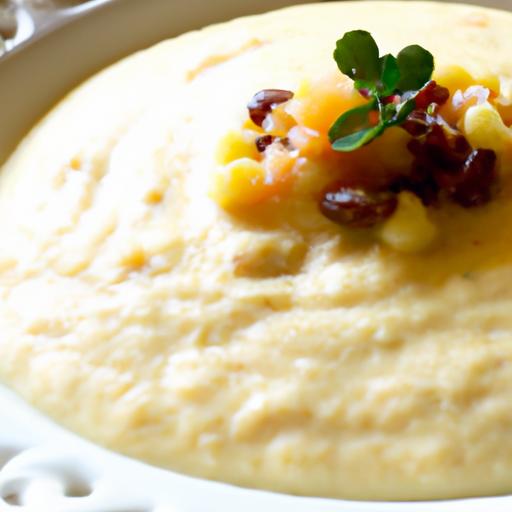
In the heart of Southern kitchens, where warmth and tradition blend effortlessly, golden grits hold a special place at the table. More than just a humble dish, these creamy, buttery grains tell a story of heritage, comfort, and culinary ingenuity. From breakfast nooks to elegant dinners, golden grits have quietly woven themselves into the fabric of Southern life, offering a texture both smooth and satisfying wiht every spoonful. Join us as we delve into the origins, preparation, and enduring appeal of this iconic Southern staple-unraveling the secrets behind the golden glow and velvety bite that have made grits a beloved classic.
Golden grits have long been a cherished symbol of Southern comfort, blending tradition, texture, and flavor into one creamy, irresistible dish. With roots tracing back to Native American cultivation and later embraced by Southern cooks,golden grits offer a glimpse into rich culinary heritage that has evolved into a beloved staple. This recipe celebrates the graceful balance between the hearty cornmeal base and the silky smooth texture that makes golden grits a timeless favorite at breakfast tables, brunch gatherings, and soul food spreads alike.
Prep and Cook Time
- Preparation: 5 minutes
- Cooking: 25 minutes
- Total Time: 30 minutes
Yield
Serves 4 generous portions
Difficulty Level
Easy to Medium – perfect for both beginners and seasoned home cooks mastering creamy texture
Ingredients
- 1 cup stone-ground yellow cornmeal (golden grits)
- 4 cups water (or substitute 2 cups water + 2 cups milk for extra creaminess)
- 1 teaspoon kosher salt
- 3 tablespoons unsalted butter (plus extra for serving)
- ½ cup sharp white cheddar cheese, shredded (optional but highly recommended)
- Freshly ground black pepper, to taste
Instructions
- Bring the liquid to a boil: In a medium saucepan, combine water (or water and milk) and salt. Bring to a rolling boil over medium-high heat.
- Slowly whisk in the golden grits: Gradually add the cornmeal, whisking constantly to prevent lumps from forming. This step is vital for a smooth result.
- reduce heat and simmer: Lower to medium-low or low heat. Cook the grits uncovered, stirring often (every 3-5 minutes), to avoid sticking and ensure even cooking. Expect about 20-25 minutes of simmering for creamy, tender results.
- Add butter and cheese: Once the grits have thickened and are tender, stir in butter until melted and completely incorporated. Fold in cheddar cheese while grits are hot, stirring gently until creamy.
- Adjust consistency and seasoning: Add a splash of milk or water if grits seem to thick. Season with more salt and freshly ground black pepper to taste.
- Serve immediately: Spoon the golden grits into warm bowls. Add a pat of butter on top if desired for an extra luscious finish.
Tips for Success
- Choose stone-ground cornmeal: It provides the authentic, slightly coarse texture essential to golden grits and richer flavor than swift or instant grits.
- Patience is key: stirring regularly prevents lumps and keeps the bottom from scorching. Avoid rushing by adding liquid slowly and adjusting heat as needed.
- Customize creaminess: Swap some or all water for whole milk,half-and-half,or even cream for ultra-rich results.
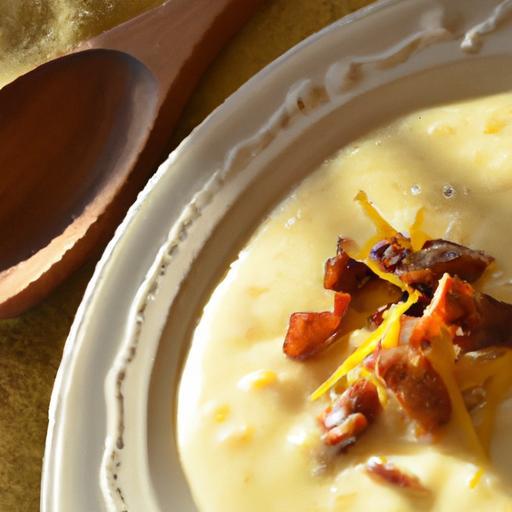
- Experiment with toppings: Classic options include crumbled bacon, sautéed shrimp, fried green tomatoes, or a drizzle of hot honey for a sweet-spicy contrast.
- Make-ahead tips: If preparing in advance, add extra liquid when reheating and stir well to restore creaminess.
Serving Suggestions
Golden grits shine as a soulful breakfast side topped with a sunny-side-up egg and a sprinkle of chopped scallions. For a decadent dinner, serve alongside gumbo or robust braised meats. Garnish with crisp bacon, fresh herbs such as thyme or parsley, or a few dashes of smoked paprika for a burst of color and flavor. The versatility of golden grits means they adapt beautifully to sweet or savory accompaniments – try honey and toasted pecans for a Southern-inspired twist!
| Nutrient | Amount per Serving |
|---|---|
| Calories | 220 |
| Protein | 5 g |
| Carbohydrates | 34 g |
| Fat | 7 g |
Explore more Southern comfort food recipes here or deepen your culinary knowledge with this trusted history of corn and its cultural importance.

Q&A
Q&A: Golden Grits – A Creamy Southern Staple Explained
Q1: What exactly are grits?
A1: Grits are a classic Southern dish made from ground corn, typically hominy corn that’s been treated with an alkaline solution to remove the hull and germ. When cooked, they become a luscious, creamy porridge that’s both comforting and versatile - a true soul food staple.
Q2: Why do Southern cooks call them “golden grits”?
A2: The term “golden grits” celebrates the rich, buttery hue of perfectly cooked grits. The golden color comes from the natural corn and the addition of butter or cream, painting the pot with warmth and nostalgia every time they’re served.
Q3: How are grits different from polenta or cornmeal?
A3: While all are ground corn products, grits are typically made from white or yellow corn and processed differently – especially hominy grits, which have a unique texture and flavor due to their alkaline treatment. Polenta, common in Italian cooking, tends to have a coarser grind and a slightly different taste, while cornmeal is often used for baking rather than creamy dishes.
Q4: What makes grits so creamy?
A4: The secret to creamy grits is slow, patient cooking with plenty of liquid-usually water, milk, or broth-stirred continuously to coax out the starches.Adding butter, cream, or cheese enriches the texture and flavor, turning humble grits into a silky dream.
Q5: Are grits always savory?
A5: Traditionally, yes, grits are served savory – think shrimp and grits, cheese grits, or grits with bacon. But like many comfort foods, they’re surprisingly adaptable! sweet versions with sugar, maple syrup, or fruit make an unexpected but delicious breakfast treat.
Q6: Where do grits fit into Southern food culture?
A6: Grits are a Southern icon, emblematic of resourcefulness and hospitality. They’re a breakfast favorite, a side dish at dinner, and a comfort food that connects generations. In Southern households,a pot of golden grits is as reassuring as a warm hug.
Q7: Can anyone cook perfect grits at home?
A7: Absolutely! The key is patience: use a good quality stone-ground grits, cook them slowly over low heat, and stir often. Don’t rush the process-with a bit of care, even a novice cook can achieve that perfect creamy texture and rich flavor.
Q8: what are some quintessential dishes featuring golden grits?
A8: Beyond the beloved shrimp and grits, other Southern mainstays include cheesy grits with fried green tomatoes, grits topped with a perfectly poached egg, or grits served alongside cast-iron seared catfish. Each dish showcases grits as a comforting canvas for bold flavors.
Q9: Are grits gluten-free?
A9: Yes! As grits are made from corn, they naturally contain no gluten, making them an excellent option for those with gluten sensitivities or celiac disease.
Q10: Why do grits continue to hold a special place in American kitchens?
A10: Grits embody simplicity,comfort,and heritage-qualities that transcend trends.They’re more than food; they’re a story passed down, a taste of home, and a reminder that sometimes, the simplest ingredients yield the richest experiences. Golden grits are, quite literally, the heart of Southern hospitality on a plate.
Closing Remarks
From the humble bowl warming breakfast tables to the savory side at celebratory feasts, golden grits embody more than just a dish-they are a creamy testament to Southern heritage and hospitality. their velvety texture and comforting warmth invite both tradition and innovation, proving that this staple is as versatile as it is indeed timeless. whether spooned alongside shrimp, enriched with cheese, or savored plain, golden grits continue to tell a story of culture, resilience, and the simple joy found in every creamy bite. So next time you savor that luscious,golden swirl,remember-you’re not just enjoying grits; you’re tasting a piece of Southern soul.