
There’s something almost magical about the way golden caramel sauce drapes over desserts-its amber hues catching the light, its glossy ribbon inviting the first indulgent taste. Beyond its mouthwatering allure lies a engaging interplay of chemistry and craft, where sugar’s transformation becomes both an art and a science. In this exploration of ”Golden Drizzle: The Art and Science of Caramel Sauce,” we unravel the secrets behind this luscious elixir, revealing how precise temperature, timing, and technique combine to create that perfect balance of deep flavor and silky texture. Weather you’re a seasoned patissier or a curious home cook, join us as we delve into the golden world where science sweetens art.
Golden Drizzle: Understanding the Chemistry Behind Perfect Caramelization
Golden Drizzle is more than just a luscious caramel sauce; it’s an exquisite balance of science and art that transforms simple ingredients into a silky, amber-hued masterpiece. The magic begins with caramelization-an intricate chemical process where sugar molecules break down and recombine to create rich, complex flavors and an inviting golden color. As you delve into this recipe, you’ll learn how to harness this chemistry, choose the ideal ingredients, and control temperature to achieve that unmistakable golden perfection, elevating your caramel creations to new heights.
Prep and Cook Time
- Planning: 5 minutes
- Cooking: 15 minutes
- Total: 20 minutes
Yield
Approximately 1 cup (serves 6-8)
Difficulty Level
Easy to Medium - Perfect for home cooks eager to master a classic sauce
Ingredients
- 1 cup granulated sugar
- 6 tbsp unsalted butter, cut into cubes and chilled
- 1/2 cup heavy cream, warmed to room temperature
- 1/4 tsp fine sea salt (optional, for salted caramel)
- 1 tsp pure vanilla extract (optional)
Instructions
- Prepare your ingredients and tools: Measure all ingredients beforehand. Keep your butter chilled and cream warmed to room temperature to ensure smooth emulsification. Use a heavy-bottomed saucepan for even heat distribution.
- caramelize the sugar: Pour the granulated sugar evenly over the pan and place over medium heat. Without stirring initially, let sugar melt on the edges. Once it starts melting, gently swirl the pot to help even melting. Continue swirling until sugar turns a deep amber, about 6-8 minutes. Watch carefully-caramel can burn quickly.
- Add butter carefully: Remove the caramelized sugar pan from heat and immediately add the chilled butter cubes. Whisk briskly as the butter melts into the sugar, creating a velvety texture.
- Incorporate heavy cream: Slowly drizzle the warm cream while whisking continuously. This step cools the caramel and creates its silky smooth consistency.if the sauce hardens or crystallizes, gently return it to low heat and stir until smooth.
- Flavor and finish: Stir in the sea salt and vanilla extract if using. Let the sauce cool slightly before transferring to a jar. The Golden Drizzle thickens as it cools-perfect for drizzling!
Tips for Success
- Control your heat: Caramelization happens between 320°F and 350°F. Use a candy thermometer for precise temperature control, or rely on color cues-deep amber equals flavor perfection.
- Use fresh ingredients: Fresh butter and cream contribute to a silkier mouthfeel and richer taste.
- Prevent crystallization: Always avoid stirring the sugar before melting and use a clean saucepan. If sugar crystals form, add a teaspoon of lemon juice or corn syrup during caramelization.
- Make ahead: Store caramel sauce in an airtight container in the fridge for up to 2 weeks. Rewarm gently over low heat before serving.
- Experiment: Infuse the cream with spices like cinnamon or cardamom for a unique twist on Golden Drizzle.
Creative Serving Suggestions to Elevate Your Caramel creations
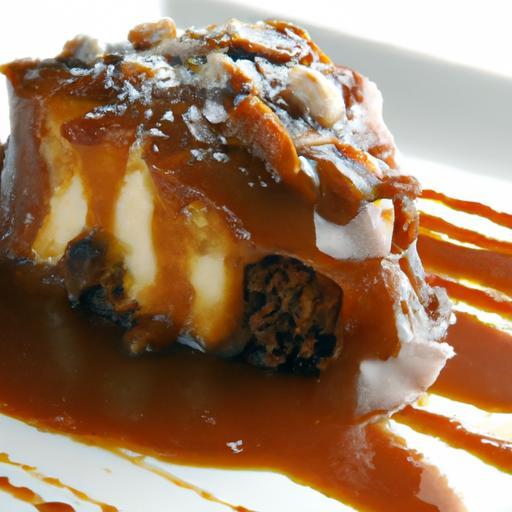
Golden Drizzle shines as a versatile finishing touch. Drizzle it generously over vanilla bean ice cream, warm apple pie, or roasted pears for an indulgent dessert.For a visually stunning effect, create delicate patterns on white plates using the sauce before plating your favorite cakes or tarts. Garnish with a sprinkle of flaky sea salt or toasted nuts like pecans or hazelnuts to add texture and contrast. For a decadent brunch, drizzle it atop fluffy pancakes or French toast, paired with fresh berries and whipped cream.
| Nutrient | Per 2 Tbsp Serving |
|---|---|
| calories | 110 |
| Protein | 0.2g |
| Carbohydrates | 14g |
| Fat | 6.5g |
For a deeper dive into the science behind sugar transformations in cooking, check out this Science of Cooking: Caramelization. Also, explore our step-by-step guide to Salted Caramel Sauce to expand your caramel repertoire.

Q&A
Q&A: Golden Drizzle – The Art and Science of caramel Sauce
Q1: What makes caramel sauce so irresistibly golden and glossy?
A1: That luscious golden hue comes from a masterful dance of sugar molecules under heat.As sugar melts and browns-a process known as caramelization-it transforms from translucent crystals into a rich amber liquid. The glossy shine is due to the smooth, emulsified mixture of melted sugar, butter, and cream, creating that perfect silky texture that glistens like liquid gold.
Q2: Is caramel sauce just melted sugar,or is there more alchemy involved?
A2: While melting sugar is the foundation,caramel sauce is a harmonious blend of chemistry and craftsmanship.Beyond caramelizing sugar, the addition of butter and cream introduces fat and proteins that temper the intense sweetness and add complexity. These ingredients also contribute to the sauce’s creamy body and slow the crystallization process, ensuring a smooth, velvety pour rather than gritty lumps.
Q3: Why does caramel sometimes turn bitter or grainy?
A3: Timing and temperature are the keys to caramel’s personality. If heated too long, the sugar scorches, producing bitter-tasting compounds. Conversely, if the sugar isn’t fully dissolved or the mixture cools too quickly without agitation, sugar crystals can form, leading to a grainy texture. Precision and patience transform molten sugar from a precarious liquid into a luscious golden drizzle.
Q4: can caramel sauce be customized beyond those classic ingredients?
A4: Absolutely! Caramel is a versatile canvas. Infusing it with sea salt creates the beloved salted caramel, where sweet meets savory in a symphony of flavor. Adding spices like cinnamon or star anise introduces warm, aromatic notes. For a boozy twist, a splash of bourbon or rum can add depth and complexity. Each variation plays with the balance of sweetness,bitterness,and creaminess.
Q5: How can one achieve the perfect consistency for pouring or drizzling?
A5: The secret lies in both the cooking stage and the ingredient ratios. Cooking the caramel to around 240-245°F (soft ball stage) produces a sauce that’s thick enough to cling and drizzle but still pourable. The ratio of butter and cream affects thickness-more cream makes it pour thinner, more butter provides richness and body. Cooling also thickens the sauce, so serving temperature matters to get that ideal golden ribbon.
Q6: What’s the best way to store caramel sauce to preserve its magic?
A6: Keep your caramel sauce in an airtight container in the refrigerator. It should stay luscious for up to two weeks. When ready to use, gently warm the sauce to restore its silky texture-avoid overheating, which may alter the flavor or consistency. Stored and revived carefully, caramel sauce continues to enchant desserts long after its first golden drizzle.
Q7: Why is caramel sauce considered both an art and a science?
A7: Caramel sauce embodies the marriage of precise chemical reactions and creative intuition.The science lies in understanding sugar’s molecular metamorphosis, temperature control, and ingredient interactions. The art emerges in the cook’s timing instincts, the subtle flavor tweaks, and the visual beauty of that shimmering golden river cascading over ice cream or cake. Mastery of caramel is a sweet symphony where knowledge and passion meld into appetizing perfection.
In Retrospect
As the last drops of golden drizzle settle onto your dessert, you are reminded that caramel sauce is more than just a sweet topping-it’s a harmonious dance between precise chemistry and culinary artistry. From the careful melting of sugar crystals to the subtle swirl of butter and cream, every step transforms humble ingredients into liquid gold. Whether drizzled over ice cream, folded into batter, or savored by the spoonful, caramel sauce invites us to appreciate the delicate balance of heat, time, and technique that creates its rich, velvety allure. So next time you indulge in this luscious creation, remember the science behind the sweetness and savor the art in every silky drop.