
Beneath the sun-soaked skies of southern Spain, a vibrant culinary jewel awaits-cool, crimson, and brimming with bold flavors. Gazpacho,the iconic chilled soup,is far more than a refreshing antidote to the sweltering heat; it is indeed a centuries-old tradition steeped in history,culture,and the art of simplicity. In “Gazpacho Unveiled: The Chilled Spanish Classic Explained,” we embark on a savory journey to uncover the origins, ingredients, and timeless appeal of this beloved dish. Prepare to discover how humble vegetables transformed into a liquid symphony that continues to captivate palates around the world.
Gazpacho unveiled is a journey into one of Spain’s most iconic dishes-a vibrant, refreshing chilled soup that perfectly captures the sun-drenched essence of Andalusia. This cold tomato-based classic has been a summertime staple for centuries, born from humble ingredients and transformed by generations into a culinary masterpiece beloved worldwide. Its cultural importance lies not only in its taste but also in its role as a symbol of Mediterranean simplicity and vitality.
Prep and Cook Time
- Readiness Time: 20 minutes
- Chilling Time: At least 2 hours
- Total Time: Approximately 2 hours 20 minutes
Yield
- Serves 4 generously
Difficulty Level
- Easy – Ideal for both novice cooks and seasoned chefs
Key Ingredients That Define the Perfect Gazpacho
- 6 ripe tomatoes,peeled and roughly chopped
- 1 cucumber,peeled and diced
- 1 small green bell pepper,seeded and chopped
- 1 small red onion,finely chopped
- 2 cloves garlic,minced
- 3 cups fresh tomato juice or cold water
- 1/4 cup extra virgin olive oil
- 2 tablespoons sherry vinegar (or red wine vinegar)
- Salt and freshly ground black pepper,to taste
- Day-old crusty bread torn into pieces (optional for thickness)
- Fresh basil or parsley,chopped (for garnish)
Step by Step Guide to Crafting Authentic Gazpacho at Home
- Prepare the vegetables: Start by peeling and roughly chopping the ripe tomatoes. For a silky texture,consider blanching and peeling tomatoes beforehand to remove the skins.
- Blend essentials: In a blender or food processor,combine the tomatoes,cucumber,bell pepper,red onion,garlic,and day-old bread if using. Pulse until smooth but slightly textured, allowing the soup to maintain a rustic, fresh character.
- Add liquids and season: Gradually pour in the tomato juice and olive oil while blending to emulsify. Stir in the sherry vinegar, then season with salt and pepper to taste. blend briefly to incorporate everything evenly.
- Chill thoroughly: Transfer your gazpacho to a large bowl or airtight container. Refrigerate for at least 2 hours-overnight is even better-to let flavors meld and the soup chill impeccably cold.
- Final consistency check: Before serving, give the gazpacho a gentle stir. If it’s too thick, thin it out with a splash of cold water or tomato juice.
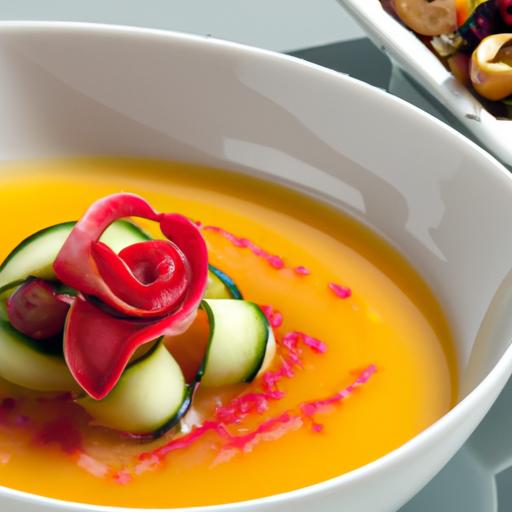
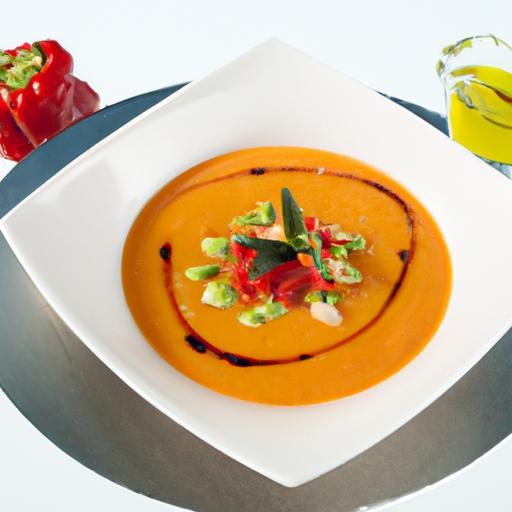
- Serve with flair: Ladle the chilled gazpacho into bowls or glasses. Garnish with a drizzle of extra virgin olive oil, chopped fresh herbs, and finely diced cucumber or bell pepper for contrast and texture.
Expert Tips for Serving and Pairing Your Chilled Spanish Classic
- Serve gazpacho ice-cold, ideally in chilled bowls or glasses. It’s incredibly refreshing when temperatures soar.
- Accompany your dish with crusty Spanish bread or garlic-rubbed toasts for dipping and added crunch.
- Pair with a crisp, dry spanish white wine like Albariño or a refreshing rosé to heighten the flavors.
- For an elegant touch, garnish with finely diced avocado, hard-boiled egg, or even a few cubes of Serrano ham.
- This gazpacho also shines as a summer starter or light lunch when paired with olives, Manchego cheese, or marinated seafood.
Tips for Success
- use the freshest ingredients: The quality of your tomatoes and olive oil will make all the difference.
- Adjust acidity: Start with 2 tablespoons of sherry vinegar,then tailor to your liking. A balanced acidity is key.
- Texture preferences: Blend to your desired consistency-some prefer smooth, others prefer a chunkier, rustic gazpacho.
- Make ahead: Gazpacho can be made up to 24 hours in advance. In fact, resting time enhances the depth of flavor.
- For a vegan or gluten-free option: Simply omit the bread or use gluten-free bread.
| Nutrient | Per Serving |
|---|---|
| Calories | 110 kcal |
| Protein | 3 g |
| Carbohydrates | 12 g |
| Fat | 6 g |

For anyone eager to dive deeper into Mediterranean culinary classics, check out our detailed Spanish Paella Guide for more inspiration. To explore the fascinating history behind gazpacho and its regional variations, Encyclopaedia Britannica offers an excellent overview.
Q&A
Q&A: Gazpacho Unveiled – The Chilled Spanish Classic Explained
Q1: What exactly is gazpacho?
A1: Gazpacho is a refreshing, cold soup that hails from southern Spain, notably the Andalusian region. It’s a vibrant blend of ripe tomatoes, cucumbers, peppers, garlic, olive oil, vinegar, and stale bread, all pureed into a smooth, chilled delight. Think of it as summer in a bowl-a cool, tangy escape from the heat.Q2: How did gazpacho become such a beloved Spanish staple?
A2: Gazpacho’s roots dig deep into history,with influences tracing back to the Romans and Moors. Originally a humble dish crafted from available garden vegetables and day-old bread, it evolved over centuries. Its simplicity, nutrition, and ability to refresh made it a farmer’s and peasant’s go-to meal on scorching andalusian afternoons-quickly becoming a cultural icon.
Q3: Is gazpacho always vegetarian or vegan?
A3: Traditionally, gazpacho is vegan-friendly, composed entirely of vegetables, olive oil, and bread. however, regional variations sometimes include toppings like hard-boiled eggs or ham for added texture and flavor. But the classic Andalusian gazpacho remains a vibrant plant-based marvel.
Q4: What makes a truly authentic gazpacho?
A4: The secret lies in quality ingredients and balance. Ripe, juicy tomatoes form the soup’s crimson heart, while the tanginess of sherry vinegar and the peppery kiss of extra virgin olive oil round out the flavor. The bread isn’t just filler-it adds body and creaminess when soaked and blended in. Each ingredient harmonizes to create gazpacho’s signature refreshing punch.Q5: How is gazpacho traditionally served?
A5: Served ice-cold in a bowl or glass, gazpacho invites garnishes like finely diced cucumbers, red peppers, croutons, or herbs to add a textural contrast. It’s a popular starter during hot Spanish summers but also doubles as a light, nourishing snack or lunch on the go.
Q6: Can gazpacho be customized or modernized?
A6: Absolutely! Contemporary chefs experiment by adding fruits like watermelon or strawberries for a sweet twist,using heirloom tomatoes for deeper flavors,or even turning gazpacho into a cocktail-inspired dish with a splash of sherry or gin. Yet, every creative spin retains gazpacho’s chilled soul.
Q7: Why should people outside Spain give gazpacho a try?
A7: Beyond its deliciously cool and tangy taste, gazpacho offers a window into Spanish culture, climate, and culinary history.It’s a nutrient-packed, low-calorie option that beautifully showcases the magic of simple, fresh ingredients. For those facing summer heat or seeking a vibrant, healthy meal, gazpacho is pure liquid sunshine-inviting, invigorating, and downright irresistible.
Wrapping up
As the sun sets on our journey through the refreshing world of gazpacho, it’s clear that this chilled Spanish classic is much more than just a summer staple. From its humble Andalusian roots to its vibrant presence on tables worldwide, gazpacho embodies a perfect harmony of flavor, history, and culture. Whether enjoyed as a cooling appetizer or a nutritious meal, each spoonful tells a story of tradition embraced and ingredients celebrated. So next time the heat rises, let gazpacho unveil its crisp, tangy charm-inviting you to savor the essence of Spain in every delicious drop.