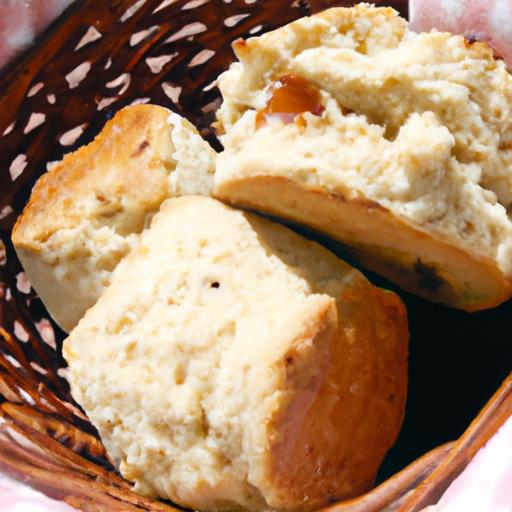

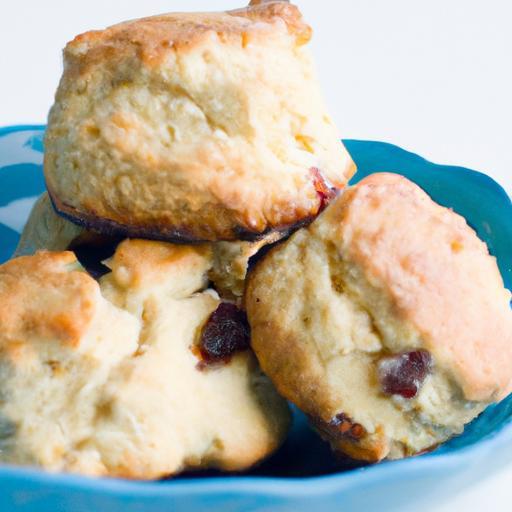
There’s something undeniably enchanting about breaking open a freshly baked scone-its warm, fluffy interior inviting you in, promising a bite of buttery bliss. Rooted deeply in british tradition, the humble scone has long been the star of teatime tables, offering a perfect balance of crumbly texture and subtle sweetness. Yet, crafting that ideal scone-light, tender, and irresistibly soft-can feel like a secret art reserved for seasoned bakers.Fear not! In this article, we’ll unveil the fluffy scones secrets and guide you through an easy, fail-proof recipe that promises perfect British treats every time. Whether you’re a novice or a pastry pro, get ready to elevate your baking game and enjoy scones worthy of a royal teatime.
Fluffy scones secrets begin with understanding the essential ingredients and techniques that transform simple flour and butter into irresistible, light, and airy British treats. Hailing from the heart of British teatime tradition, the perfect scone is more than just a baked good-it’s a symbol of comfort, community, and indulgence. Whether you’re a novice baker or an experienced enthusiast, mastering these essentials will inspire you to create scones that impress with their tender crumb, lovely rise, and golden crust every time.
Prep and Cook Time
- Preparation Time: 15 minutes
- Cooking Time: 12-15 minutes
- Total Time: 30 minutes
Yield
- 8 classic British scones (about 2.5 inches in diameter)
Difficulty Level
- Easy to Medium
Ingredients
- 2 cups (250g) all-purpose flour, sifted
- 1/4 cup (50g) granulated sugar
- 1 tbsp baking powder (for that perfect rise)
- 1/2 tsp salt
- 6 tbsp (85g) cold unsalted butter, cubed
- 2/3 cup (160ml) whole milk (plus extra for brushing)
- 1 large egg (optional, for richness)
- 1 tsp vanilla extract (optional, for subtle sweetness)
Instructions
- Preheat your oven to 425°F (220°C). Line a baking tray with parchment paper or a silicone mat for even baking and easy cleanup.
- combine dry ingredients: In a large mixing bowl, sift together the flour, baking powder, sugar, and salt-ensuring a well-aerated base will contribute to those fluffy scones secrets.
- Cut in the cold butter: Using a pastry cutter or your fingertips, quickly rub the cubed butter into the dry ingredients until the mixture resembles coarse breadcrumbs with pea-sized lumps. These little bits of butter are crucial-they create pockets of steam that lift the scones to airy perfection.
- Make a well in the center: Beat the egg with milk and vanilla extract (if using), then pour the liquid slowly into the dry mixture. Stir gently with a fork or spatula until just combined; overmixing will develop gluten and toughen the scones.
- Bring the dough together: Lightly flour your work surface and tip the dough out. Fold it over itself a few times until cohesive but still somewhat shaggy-keep it gentle to preserve lightness.
- Shape and cut: Pat dough into a 1-inch thick round. Using a floured 2.5-inch round cutter, press straight down-avoid twisting to ensure a uniform rise. Arrange the scones on the tray close but not touching.
- Brush tops with milk: This helps develop that signature golden crust, deeply inviting and slightly crisp.
- Bake for 12-15 minutes: Keep an eye; when tops turn golden and scones spring back to the touch, they’re done. Avoid overbaking to retain softness inside.
- cool on a wire rack: Let warm slightly before serving, allowing steam to settle and texture to perfect.
Tips for Success
- Use cold butter straight from the fridge. Even chilling the flour helps keep the butter cold and ensures a flaky texture.
- Minimal handling: The less you knead, the lighter your scones will be. Aim for just enough to bring the dough together.
- If fresh, cream scones (using cream instead of milk) for indulgence and tenderness.
- Substitute whole milk with buttermilk to add tang and enhance rise.
- For a sweeter variety, fold in currants, raisins, or lemon zest before shaping the dough.
- Make-ahead: Store shaped, cut scones refrigerated for up to 24 hours before baking. Just add 1-2 extra minutes to baking time.
- Freeze uncooked scones: place cut shapes on a tray, freeze solid, then transfer to a bag. Bake from frozen-adding a few minutes to cook time.
Serving Suggestions to Elevate Your British Scone Experience
Picture warm scones, their delicate crumb yielding to the gentle pressure of a butter knife.Split them open and lavish each half with a rich spoonful of clotted cream, its velvety texture melting softly on contact. A generous spread of strawberry jam with visible chunks adds vibrant sweetness and color, completing the quintessential british trio. For a modern twist, try serving alongside honey butter, lemon curd, or even a drizzle of high-quality chocolate spread.
Enhance presentation with a sprig of fresh mint or a scattering of edible flowers on the platter, transforming your teatime into a feast for the eyes as much as the palate. Pair your fluffy scones with a pot of fragrant Earl Gray, Darjeeling, or freshly brewed English Breakfast tea to complete the ritual.
| Nutrient | Per Scone (Approx.) |
|---|---|
| Calories | 180 |
| Protein | 4g |
| Carbohydrates | 25g |
| Fat | 7g |

For those wanting to explore more British baking delights, you might enjoy our Classic English Tea Cakes Guide.Also, for detailed insights on ingredient science, check out the King Arthur Baking bread Basics.
Q&A
Q&A: Fluffy Scones Secrets – Your Easy Guide to Perfect British Treats
Q1: What makes a scone truly fluffy and not dense?
A: The key to fluffy scones lies in two secrets: keeping the ingredients cold and not overworking the dough. Cold butter creates little pockets of steam as it bakes, puffing up the scone. And gentle mixing ensures the gluten doesn’t develop too much, which would make your scones tough instead of tender.
Q2: Can I use baking powder,or do traditional scones require yeast?
A: Traditional British scones are leavened with baking powder,not yeast. Baking powder gives that speedy rise and delightful fluffiness without the wait. It’s the magic agent that transforms simple flour into a soft, airy British treat.
Q3: Should I sift the flour for scones?
A: Absolutely! Sifting aerates the flour, helping to make lighter scones. It also removes pesky lumps,ensuring your dough has an even texture without any surprises.
Q4: What type of flour is best for scones?
A: Plain (all-purpose) flour is classic for scones, striking a beautiful balance between structure and tenderness. You can also swap in some self-raising flour, but if you do, reduce or omit baking powder accordingly.
Q5: How do I keep my scones from drying out?
A: The moment those golden beauties come out of the oven, wrap them loosely in a clean tea towel. This traps moisture and keeps the scones soft. Also, serve them fresh-scones are happiest enjoyed the day they’re baked.
Q6: What’s the ideal thickness for cutting scones?
A: Around 2 to 3 cm (about ¾ to 1 inch) thick is perfect. Thinner and they risk drying out; thicker means the insides might stay doughy. This size ensures a fluffy crumb with a tender crust.
Q7: Is it okay to add sugar or flavorings to scones?
A: Yes! Traditional scones tend to be lightly sweet or even savory, so sugar isn’t mandatory. But a touch of sugar, lemon zest, or vanilla can add a subtle twist.If you like, mix in raisins, currants, or cheese to personalize your treat.
Q8: Any tips for cutting out scones with a biscuit cutter?
A: Press straight down-don’t twist the cutter. Twisting seals the edges and prevents your scones from rising properly. Also, dip your cutter in flour before each use to stop sticking.
Q9: How do I get that beautiful golden top?
A: Brush your scones with a little milk or beaten egg yolk just before baking. This glosses them up and gives that irresistible golden glow.
Q10: Can I freeze scone dough or baked scones?
A: You bet! Freeze unbaked scone rounds on a tray, then pop them in a bag. Bake from frozen, adding a couple extra minutes. Baked scones freeze well too-simply warm them gently in the oven before serving.
Ready to savor a perfect British classic? Follow these fluffy scones secrets, and you’re on your way to teatime triumph!
To Conclude
As you wrap up your baking adventure armed with these fluffy scone secrets, remember that the true magic lies not just in the ingredients but in the loving hands that bring them together. Whether enjoyed with clotted cream and jam or simply warmed with a pat of butter, these perfect British treats promise a comforting slice of tradition in every bite. So next time you crave a taste of Britain’s beloved teatime treasure, you’ll know exactly how to bake your way to golden, airy scones that rise effortlessly and delight wholeheartedly. Happy baking-and even happier tasting!