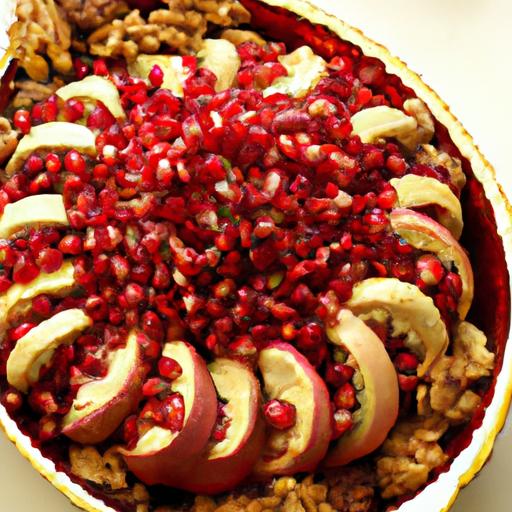

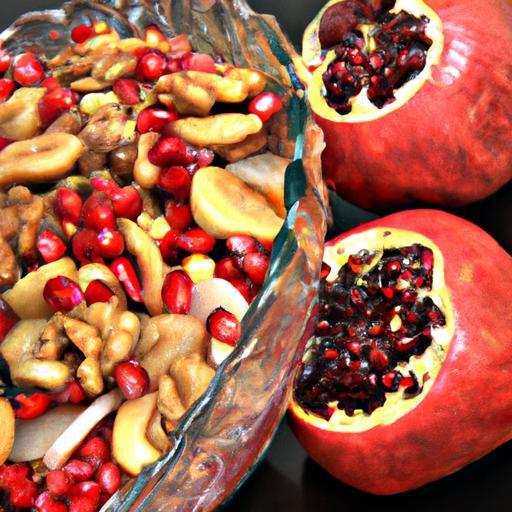
nestled within the vibrant tapestry of Iranian cuisine lies a dish that tells a story of ancient flavors and timeless artistry-Fesenjan. This rich and tangy stew, marrying the earthy warmth of walnuts with the shining, jewel-like burst of pomegranate molasses, is more than just a meal; it is indeed a celebration of Persia’s culinary heritage. With its harmonious balance of sweet and sour notes, Fesenjan captivates the palate while offering a glimpse into a culture where every ingredient is chosen with intention and every bite is steeped in history. Join us as we unravel the layers of this iconic dish, exploring how Fesenjan has earned its place as one of Iran’s most beloved and enduring delicacies.
origins and Cultural Significance of Fesenjan in Persian Cuisine
Fesenjan, the rich and tangy walnut-pomegranate delight, is a jewel of Persian culinary heritage. This sumptuous stew has graced Persian tables for centuries, often served at weddings, festive occasions, and family gatherings. Its captivating blend of robust walnuts and the vibrant tartness of pomegranate molasses embodies the balance cherished in Iranian cooking-melding sweet, sour, and savory in a harmonious dance.Rooted deeply in Iran’s northern regions, where walnuts abound, this dish tells stories of warm hearths and cultural continuity, evoking nostalgia and celebration in every spoonful.
Exploring the Unique Flavor Profile of Walnut and Pomegranate
Intriguingly complex yet comforting, Fesenjan’s unique flavor profile arises from the marriage of ground walnuts, offering a creamy earthiness, and pomegranate molasses, which lends a bold, tangy sweetness. The walnuts contribute a buttery richness and velvety texture that binds the stew,while the pomegranate’s sour undertones awaken the palate. This interplay creates a luxurious balance-not too heavy or overly sour-making the dish both hearty and refreshingly vibrant.
Traditional recipes frequently enough incorporate a subtle hint of cinnamon or turmeric, adding warmth without overpowering the primary ingredients. Together, these elements elevate Fesenjan beyond a simple stew, establishing it as a symbolic dish that reflects persian culinary sophistication.
Prep and Cook Time
- Planning: 20 minutes
- Cooking: 2 hours
- Total: 2 hours 20 minutes
Yield
Serves 6 generously, perfect for intimate dinners or celebratory feasts
Difficulty Level
Medium – requires patience and attention to detail, but rewarding for both novice and seasoned cooks.
Ingredients
- 500g boneless chicken thighs or ~400g duck breast, cut into bite-sized pieces
- 2 cups walnuts, finely ground
- 1 large onion, finely chopped
- 1½ cups pomegranate molasses (preferably homemade or high-quality store-bought)
- 2 tbsp sugar (adjust to taste)
- 3 tbsp olive oil or clarified butter (ghee)
- 1 tsp ground cinnamon
- ½ tsp turmeric powder
- 2 cups chicken broth or water
- Salt and freshly ground black pepper, to taste
- Optional garnish: pomegranate seeds and fresh parsley
Instructions
- Toast the walnuts: In a dry skillet over medium heat, toast the ground walnuts for about 5 minutes until fragrant and slightly golden. Stir continuously to avoid burning. Set aside.
- Sauté the onions: Heat olive oil or ghee in a heavy-bottomed pot. Add the finely chopped onions and sauté until translucent and soft, about 8 minutes, stirring often.
- Add spices: Stir in cinnamon and turmeric, allowing the spices to bloom for 1 minute. This step infuses warmth into the dish.
- brown the chicken: Add chicken pieces to the pot, season with salt and pepper, and sauté until lightly golden on all sides, about 5 minutes.
- Incorporate walnuts: Pour in the toasted walnuts and stir well, coating the chicken and onions.
- Simmer with liquids: Pour in chicken broth and pomegranate molasses. Add sugar to balance acidity.Bring to a gentle simmer.
- Low and slow: cover partially and cook on low heat for 1.5 to 2 hours. Stir occasionally to prevent sticking and ensure even cooking. the stew should thicken to a rich, glossy consistency.
- Adjust seasoning: Taste and modify salt, pepper, or sugar as desired. The final flavor should have a perfect dance of sweet and tangy notes.
- Rest and serve: Allow the stew to rest off heat for 10 minutes before serving to let flavors meld.
Chef’s Notes for Success
- Experiment with duck or lamb for a more traditional richness, but chicken offers an approachable and leaner alternative.
- For a vegan spin, substitute chicken broth with vegetable broth and use seitan or mushrooms in place of meat.
- Grinding walnuts fresh at home yields the best texture and flavor.
- Use good quality pomegranate molasses; avoid overly sweet commercial brands-they’ll skew the intended tart balance.
- This dish tastes even better the next day as flavors deepen; it freezes well for up to 3 months.
- To thicken faster, mix a tablespoon of walnut powder with a bit of water and stir into the stew late in cooking.
Serving Suggestions
Traditionally served over fragrant saffron basmati rice,Fesenjan shines best when complemented with:
- Steamed jeweled rice with saffron and barberries for a festive touch
- Lightly sautéed green beans or spinach to add a fresh,crunchy texture
- A dollop of creamy greek yogurt or mast o khiar (Persian cucumber yogurt) balances the tanginess
- Garnish generously with ruby-red pomegranate seeds and freshly chopped parsley or mint for vibrant colour contrast
For a modern twist,serve Fesenjan over creamy polenta or oven-roasted root vegetables to impress guests with a fusion presentation.
Nutrition Information
| Nutrient | Per Serving (approx.) |
|---|---|
| Calories | 450 kcal |
| Protein | 35 g |
| Carbohydrates | 18 g |
| Fat | 28 g |

Ready to dive deeper into Persian cuisine? Discover more timeless recipes like Zereshk Polo (Barberry Rice) for a complete traditional feast. For cultural insights on pomegranate’s role in Middle Eastern cooking, explore this expert Britannica article.
Q&A
Q&A: Exploring Fesenjan – Iran’s Rich and Tangy Walnut-Pomegranate Delight
Q1: What is Fesenjan?
A: Fesenjan (or Fesenjoon) is a traditional Persian stew that masterfully combines ground walnuts and pomegranate molasses to create a dish bursting with rich, tangy, and slightly sweet flavors.It’s a beloved staple in Iranian cuisine,often served during special occasions and family gatherings.Q2: Where does the name “Fesenjan” come from?
A: The name Fesenjan is believed to originate from the Persian words related to “pomegranate” and “walnut,” the two star ingredients of the dish. Over centuries, this mouthwatering stew has carried a name as distinctive as its taste, reflecting its deep roots in Iranian culinary tradition.
Q3: What makes Fesenjan unique among other Persian dishes?
A: Unlike many Persian stews that rely heavily on meat or saffron, fesenjan’s signature combination is its nutty creaminess paired with the vibrant tartness of pomegranate molasses. This balance of flavors creates a complex, layered taste profile that’s both comforting and sophisticated.
Q4: What ingredients are central to making an authentic Fesenjan?
A: The heart of Fesenjan lies in finely ground walnuts and concentrated pomegranate molasses. Together, they form a luscious sauce frequently enough simmered with chicken or duck, onions, and spices like cinnamon and turmeric. Sometimes, a touch of sugar or orange zest is added to enhance the harmony of sweet and sour notes.
Q5: Is Fesenjan typically a vegetarian dish?
A: Traditionally, Fesenjan is made with poultry-most commonly duck or chicken-but it can absolutely be adapted into a vegetarian or vegan version. Mushrooms, eggplant, or even tofu can stand in beautifully to absorb the rich sauce, making the dish accessible to all dietary preferences.
Q6: How is Fesenjan traditionally served?
A: Fesenjan is usually served hot over fluffy saffron rice, creating a luxurious meal that’s both visually stunning and deeply flavorful.The warmth of the stew and the richness of the walnuts make it especially popular during the colder months and at festive events.
Q7: Why is Fesenjan considered a “celebration dish” in Iran?
A: Beyond its exquisite taste, Fesenjan carries cultural significance. It’s frequently enough prepared for weddings, Nowruz (persian New year), and other crucial celebrations, symbolizing abundance, harmony, and the sweet-sour complexities of life and relationships.
Q8: Can Fesenjan be made ahead of time?
A: Absolutely! In fact, Fesenjan often tastes even better the next day as the flavors meld and deepen overnight.This makes it perfect for gatherings where you want to prepare in advance and serve a dish that’s rich with history and heart.
Q9: What drinks or sides complement Fesenjan best?
A: A simple, crisp yogurt side like mast-o-khiar (yogurt with cucumber and herbs) balances the stew’s richness. For drinks, try a fragrant Persian tea or a sparkling pomegranate soda to echo the fruitiness of the dish.Q10: where can someone try authentic Fesenjan outside of Iran?
A: Many persian restaurants worldwide feature Fesenjan on their menu, especially those focusing on traditional or upscale Iranian cuisine. If you’re adventurous in the kitchen, crafting your own Fesenjan at home offers an immersive taste of Persian culture and culinary artistry.
Dive into the luscious world of Fesenjan and discover why this walnut-pomegranate stew isn’t just food-it’s a fragrant story simmered through generations, rich in flavor and tradition.
Wrapping Up
As the final spoonful of Fesenjan lingers on the palate, its harmonious marriage of tart pomegranate and earthy walnut reveals why this ancient Persian stew has captivated taste buds for centuries. More than just a dish, Fesenjan is a culinary tapestry-woven from history, culture, and the thriving bounty of Iran’s orchards. Weather savored at a festive celebration or a quiet family dinner, it invites you to experience a rich tradition where every bite tells a story of tangy warmth and timeless flavor. So next time you crave something both comforting and intriguingly complex, let Fesenjan transport you to the heart of Iran’s vibrant gastronomic heritage.