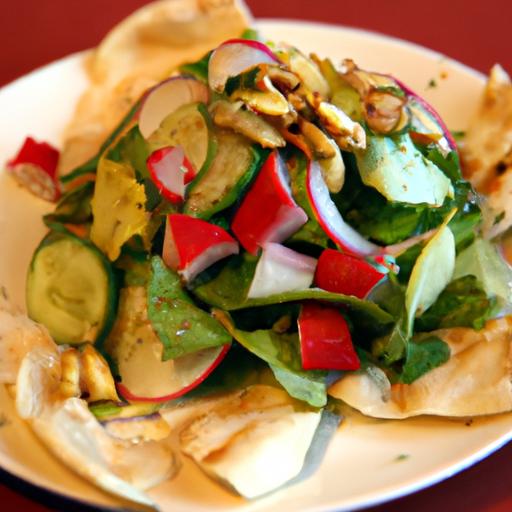

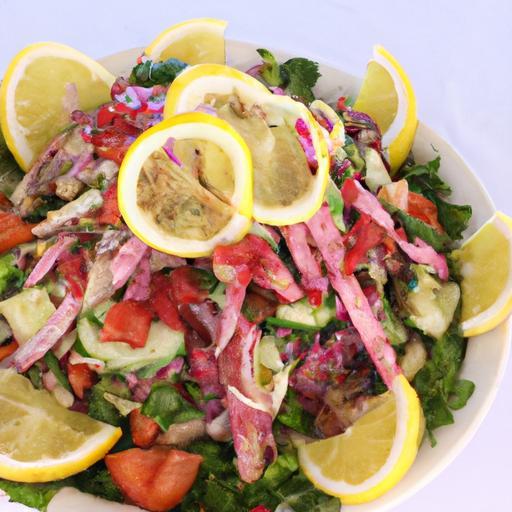
Bursting with color, texture, and a zesty punch, fattoush is more than just a salad-it’s a celebration of Middle Eastern culinary heritage on a plate. This vibrant dish weaves together fresh, crisp vegetables, aromatic herbs, and toasted pieces of pita bread, all tossed in a tangy sumac-infused dressing that dances on your taste buds. Whether you’re a seasoned foodie or new to Middle Eastern flavors, fattoush offers a delightful balance of freshness and crunch that’s both nourishing and irresistibly delicious. Join us as we explore the origins,ingredients,and simple secrets behind this must-try salad that brings a lively burst of sunshine to any meal.
fattoush: The Vibrant Middle Eastern Salad You Must Try
fattoush, a beloved middle Eastern salad that bursts with zest and texture, invites you on a sensory journey through the Levantine culinary tradition.This vibrant salad combines fresh herbs, crisp vegetables, and toasted pita for a delightful crunch, all brought together by a tangy dressing that awakens the palate. Whether served as a refreshing side or a light meal, fattoush celebrates the generous use of simple, wholesome ingredients that have nourished families for centuries.
Prep and Cook Time
- Planning: 15 minutes
- Cook Time: 10 minutes (for toasting pita)
- Total: 25 minutes
Yield
- Serves 4 generously
Difficulty Level
- Easy – Perfect for cooks of all levels
Origins and Cultural Meaning of Fattoush in Middle Eastern Cuisine
Originating from the Levant region-spanning Lebanon, Syria, Palestine, and Jordan-fattoush holds a special place in Middle Eastern homes as a dish born out of resourcefulness and seasonality. Traditionally, it was a clever way to revive stale pita bread by transforming it into golden, crispy croutons, mixed with whatever fresh vegetables and herbs the season offered. This salad embodies hospitality and communal dining, frequently enough gracing tables alongside grilled meats and hearty stews during family gatherings and Ramadan feasts. Its radiant flavors and crunchy textures symbolize freshness and renewal, making fattoush a living piece of cultural heritage that connects generations.
Key Ingredients That Bring Fattoush to Life and How to Choose Them
The magic of fattoush lies in the harmony of its components, each carefully selected for flavor and freshness:
- romaine Lettuce: Choose crisp, vibrant green leaves free from wilted edges to provide a refreshing base.
- Fresh Herbs: Parsley and mint add irresistible fragrant notes. Use lively, deeply green leaves to ensure maximum flavor.
- Vegetables: Juicy ripe tomatoes, crunchy cucumbers, and bright radishes introduce contrasting textures and natural sweetness.
- Pita Bread: Opt for pita that is slightly stale or day-old; it crisps up beautifully when toasted or fried, adding essential crunch.
- Sumac: This tangy, lemony Middle Eastern spice is key-ensure it is indeed fresh for the full depth of fruity acidity.
- Olive Oil: Use high-quality,extra virgin olive oil for its fruity and peppery notes,which marry perfectly with the acidity of the dressing.
- Pomegranate molasses: Adds a luscious tart-sweet complexity that elevates the salad’s flavor profile.
Crafting the Perfect fattoush Dressing for a Tangy Punch
What sets fattoush apart is its irresistibly tangy dressing, balancing acidity with a hint of sweetness and the earthy depth of sumac. To craft this dressing:
- Whisk together: freshly squeezed lemon juice, pomegranate molasses, and sumac for a vibrant base.
- Slowly drizzle in extra virgin olive oil, whisking until the dressing emulsifies into a glossy, smooth mixture.
- Season thoughtfully with a pinch of salt and freshly ground black pepper to taste.
- Optional: Add a touch of garlic paste or minced shallot for added depth, according to preference.
Use this dressing generously and toss just before serving to maintain the crispness of both greens and pita.
Ingredients
- 2 cups romaine lettuce, washed, chopped into bite-size pieces
- 1 medium cucumber, diced
- 2 medium tomatoes, diced
- 4 radishes, thinly sliced
- ½ cup fresh parsley, finely chopped
- ¼ cup fresh mint leaves, roughly chopped
- 2 pita breads, cut into bite-sized pieces
- 3 tablespoons extra virgin olive oil
- 2 tablespoons fresh lemon juice
- 1 tablespoon pomegranate molasses
- 1 teaspoon sumac
- ½ teaspoon salt, or to taste
- freshly ground black pepper, to taste
- Optional: 1 small garlic clove, minced
Instructions
- Toast the pita: Preheat your oven to 375°F (190°C). Spread pita pieces on a baking tray and drizzle with 1 tablespoon olive oil. Bake until crisp and golden, about 7-10 minutes. Alternatively, lightly pan-fry in a non-stick skillet over medium heat for 5 minutes, flipping halfway.
- Prepare the vegetables: In a large salad bowl,combine the chopped romaine,cucumber,tomato,radishes,parsley,and mint. Gently toss to mix.
- Make the dressing: In a small bowl, whisk together lemon juice, pomegranate molasses, sumac, salt, and pepper. Slowly add remaining olive oil and continue whisking until emulsified. If using garlic, stir in now.
- Combine and toss: Pour the dressing over the salad mixture and toss well to coat all ingredients evenly.
- Add pita crunch: Just before serving,gently fold in the toasted pita pieces to preserve their crispness.
- Final adjustments: Taste and adjust seasoning-add more sumac or lemon juice if needed for extra brightness.
chef’s Notes
- Variation: Substitute regular pita with whole wheat or gluten-free pita to suit dietary needs.
- Make-ahead tip: Toast pita ahead and store in an airtight container. Store dressing separately and toss salad just before serving to keep the bread crunchy.
- Freshness matters: Always use the freshest vegetables and herbs – they elevate the salad to another level.
- Sumac alternative: If you’re unable to find sumac, a squeeze of additional lemon juice plus a dash of mild paprika can provide a somewhat similar tang.
- Storage: Fattoush is best enjoyed promptly; the pita will soften if kept too long with the dressing.
Serving Suggestions and Creative Twists to Elevate Your Fattoush Experience
Present this fattoush as a vibrant accompaniment to grilled lamb, chicken shawarma, or lamb kofta for an authentic Lebanese feast. Garnish with pomegranate seeds for jewel-like color and an added burst of sweetness.
For a creative twist,try adding cubed avocado or roasted chickpeas to introduce creaminess and protein.Another refreshing variation includes swapping parsley for cilantro or adding thinly sliced green onions.
For entertaining: serve fattoush in individual glass bowls layered with the crispy pita at the bottom to maintain texture, layered with herbs and vegetables, then drizzled with dressing tableside for a stunning presentation.
Pair with a chilled glass of arak or a light rosé to complement the salad’s bright acidity.

| Nutrient | Per Serving |
|---|---|
| Calories | 180 kcal |
| protein | 4 g |
| carbohydrates | 22 g |
| Fat | 8 g |
Discover more vibrant Middle Eastern dishes like tabbouleh for a complementary flavor experience.
For deeper insight into the role of sumac and other spices in middle Eastern cooking, visit the Encyclopedia Britannica on Sumac.
Q&A
Q&A: Fattoush – The Vibrant Middle Eastern Salad You Must Try
Q: What exactly is Fattoush?
A: Fattoush is a refreshingly vibrant Middle Eastern salad that combines crisp, toasted pieces of pita bread with a medley of fresh vegetables and herbs. It’s a dish bursting with texture and flavor-think crunchy, tangy, zesty, and herbaceous all in one bite. Traditionally originating from Levantine cuisine, Fattoush is a summer staple beloved across Lebanon, Syria, Jordan, and beyond.
Q: What ingredients make Fattoush so special?
A: The magic lies in its simplicity and freshness. Typical ingredients include ripe tomatoes, cucumbers, radishes, green onions, parsley, mint, and sometimes sumac-spiced bell peppers. The pita bread is toasted or fried until golden and crisp, adding a delightful crunch. What truly elevates Fattoush is its dressing-a bright, lemony vinaigrette infused with olive oil, garlic, and the distinctive tang of sumac, a tart red spice that gives the salad its signature zing.
Q: Can Fattoush be customized?
A: Absolutely! While the core elements remain the same, Fattoush is wonderfully adaptable. You can add pomegranate seeds for a burst of sweetness, sprinkle toasted pine nuts or walnuts for extra texture, or toss in other fresh herbs like cilantro or dill. Some modern takes even incorporate avocados or grilled halloumi for a unique twist. The key is maintaining that balance of fresh veggies, crispy bread, and tangy dressing.
Q: Is Fattoush healthy?
A: Without a doubt! Fattoush is a nutrient-rich salad packed with vitamins, fiber, and antioxidants from fresh vegetables and herbs. The olive oil provides heart-healthy fats, and the whole-wheat pita offers some energy-boosting carbs. It’s low in calories but high in flavor, making it a perfect choice for a light lunch, a side dish, or even a vibrant appetizer.
Q: How should Fattoush be served?
A: Fattoush shines as a communal dish-serve it in a large bowl so everyone can enjoy the varied textures and flavors. It pairs beautifully with grilled meats like lamb or chicken, mezze platters, or alongside dishes like hummus and baba ganoush. As of the toasted pita, it’s best served immediately after tossing to keep the bread crisp and irresistible.
Q: Why is Fattoush gaining popularity worldwide?
A: Its rising global fame stems from its crave-worthy combination of freshness, texture, and tanginess, and also its versatility and health benefits. In an era when people seek speedy, wholesome meals with bold flavors, Fattoush fits the bill perfectly. Plus, its colorful, Instagram-worthy presentation doesn’t hurt either!
Q: Where can one try authentic Fattoush?
A: If you’re lucky, your local Middle Eastern or Mediterranean restaurant will have this salad on the menu.But Fattoush is also incredibly easy to make at home, requiring little more than fresh produce, good olive oil, and sumac. Once you try it, you’ll understand why it’s a vibrant, joyous celebration of Middle Eastern flavors you simply must experience.
The Conclusion
In the world of salads, Fattoush stands out as a vibrant celebration of Middle Eastern flavors-crisp, tangy, and refreshingly bright. Beyond its crunchy toasted pita and garden-fresh veggies, it tells a story of tradition, community, and the joyous art of layering textures and tastes.Whether you’re a seasoned foodie or a curious newcomer, giving Fattoush a place at your table is an invitation to experience a dish that’s as colorful in history as it is on the palate.So next time you crave somthing both wholesome and exhilarating, remember: Fattoush isn’t just a salad, it’s a vibrant feast for all your senses.