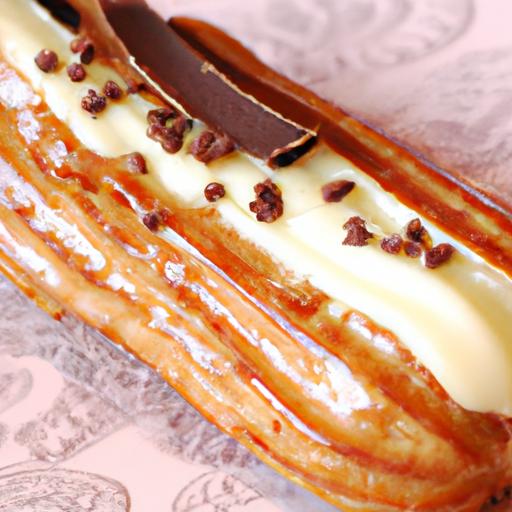

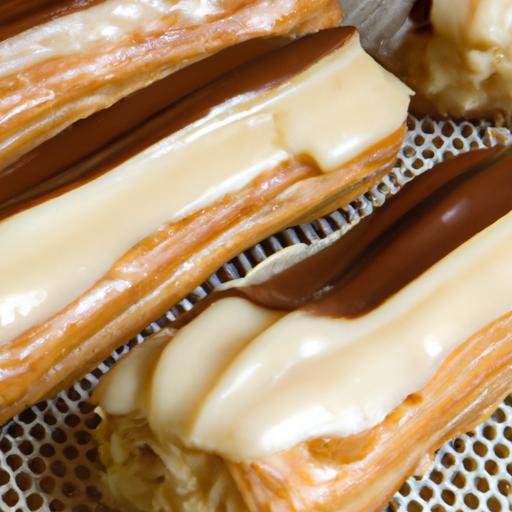
Few pastries evoke as much irresistible charm and timeless elegance as the French éclair. This artful creation, with its delicate choux pastry shell, luscious cream filling, and glossy glaze, is far more than just a treat-it’s a celebration of centuries-old culinary mastery. Journey with us through the rich history and intricate craft behind the éclair, uncovering how this humble pastry evolved from regal French courts to beloved patisseries worldwide. In exploring its origins and the meticulous techniques that shape each bite, we discover not only the secrets of its sumptuous flavor but also the cultural legacy woven into every éclair’s golden crust.
The French éclair has long been a beacon of pastry perfection, marrying light, airy choux dough with luxuriously smooth fillings and glossy glazes. Originating in 19th-century France, this iconic dessert has evolved from a simple cream-filled treat into a canvas for vibrant regional variations and daring flavor innovations.By mastering the classic éclair recipe step by step, you’ll not only honor a timeless tradition but also unlock endless possibilities for personalized sweetness.
Prep and Cook Time
- Preparation: 30 minutes
- Cooking: 25-30 minutes
- cooling and Assembly: 45 minutes
Yield
Makes 12 classic éclairs, perfect for sharing or savoring over a few decadent days.
Difficulty Level
Intermediate – requires basic pastry skills but highly rewarding with practice.
Ingredients
- For the Choux Pastry:
- 1 cup (240 ml) water
- 8 tablespoons (115 g) unsalted butter, cut into cubes
- 1/2 teaspoon salt
- 1 tablespoon sugar
- 1 cup (125 g) all-purpose flour, sifted
- 4 large eggs, at room temperature
- For the Classic Pastry Cream Filling:
- 2 cups (480 ml) whole milk
- 1/2 cup (100 g) granulated sugar
- 1/4 cup (30 g) cornstarch
- 5 large egg yolks
- 2 teaspoons pure vanilla extract
- 2 tablespoons unsalted butter
- For the Chocolate Glaze:
- 4 ounces (115 g) bittersweet chocolate, finely chopped
- 1/3 cup (80 ml) heavy cream
- 1 tablespoon light corn syrup (optional for shine)
Instructions
- Prepare the choux pastry: In a medium saucepan, combine water, butter, salt, and sugar. Bring to a rolling boil over medium heat,stirring occasionally.
- Add the flour: Remove from heat and quickly stir in sifted flour all at once with a wooden spoon.Return to medium heat and cook, stirring constantly, until dough forms a ball and pulls away from sides, about 2 minutes.
- Cool the dough: Transfer dough to a mixing bowl and let cool for 5 minutes to avoid scrambling eggs.
- Incorporate eggs gradually: Beat in eggs one at a time, fully incorporating each before adding the next. The dough should be thick, shiny, and smooth, dropping slowly from your spoon.
- Pipe the éclairs: Fit a pastry bag with a large round or star tip. Pipe 4-inch strips onto parchment-lined baking sheets, spacing about 2 inches apart to allow expansion.
- Bake and dry out: Bake at 425°F (220°C) for 10 minutes, then reduce heat to 375°F (190°C) and bake another 15-20 minutes until puffed and golden. Do not open the oven door during baking to prevent collapse.
- Cool entirely: Transfer éclairs to wire racks and allow to cool fully before filling.
- Make the pastry cream: Heat milk in a saucepan just to simmer. In a bowl, whisk sugar, cornstarch, and egg yolks until smooth. Gradually pour warm milk into egg mixture, whisking constantly.
- Cook pastry cream: Return mixture to saucepan and cook over medium heat, whisking steadily until it thickens and boils, about 2 minutes. Remove from heat and stir in vanilla and butter. Cover surface with plastic wrap to prevent skin; chill for at least 2 hours.
- Fill the éclairs: Once cooled,fill a pastry bag fitted with a small tip or plain end with pastry cream. Insert the tip into each éclair’s side or bottom and gently fill until slightly puffed.
- Prepare the chocolate glaze: Heat cream until just simmering. Pour over chopped chocolate and let sit 1 minute. Stir gently until smooth, adding corn syrup for extra shine if desired.
- Glaze the éclairs: Dip tops of each filled éclair into glaze, letting excess drip off. Place on rack to set.
Tips for Success
- Egg temperature: Use room temperature eggs for better incorporation and rise.
- Baking consistency: A hot initial oven blast creates steam to puff pastries. Avoid opening the oven door midsession.
- Choux texture: Dough should be smooth,glossy,and stretchy-too wet or dry dough will affect the rise.
- Make ahead: Bake and fill éclairs a day ahead; glaze right before serving for optimal freshness.
- Substitutions: Experiment with flavored pastry creams such as coffee, pistachio, or fruit purées for a modern twist.
Serving Suggestions
present éclairs elegantly on a white porcelain platter, garnished with fresh berries or edible gold leaf for an extra touch of sophistication. Pair with a rich espresso or a light dessert wine to complement its delicate sweetness. For a textural contrast, sprinkle finely chopped toasted nuts atop the glaze just before it sets.
| Nutritional Information (per éclair) | Calories | Protein | Carbs | Fat |
|---|---|---|---|---|
| classic Chocolate Éclair | 320 kcal | 6 g | 35 g | 16 g |

For further exploration of French pastries and techniques,check out our ultimate guide to French pastries. To deepen your understanding of classic choux techniques, see this tutorial by Cook’s Illustrated.
Q&A
Q: what exactly is an éclair, and what sets it apart from other pastries?
A: An éclair is a long, slender pastry made from choux dough, filled with luscious cream, and crowned with a glossy glaze-most traditionally chocolate. Unlike many pastries that rely on yeast or butter-heavy doughs, the éclair’s light, airy shell is created by steam puffing during baking, giving it that signature delicate crunch and hollow center ready to be filled. Its balance of textures and rich fillings makes it a standout in the world of French patisserie.
Q: Where and when did the éclair originate?
A: The éclair’s origins trace back to 19th-century France, although pastry historians suggest choux-based sweets existed earlier.Some credit Marie-Antoine Carême, the legendary French chef, with popularizing choux pastries, while the term “éclair,” meaning “flash of lightning,” is believed to have been coined later, reflecting how quickly these irresistible treats vanish once served!
Q: Why is it called an “éclair”?
A: The name “éclair” is French for “lightning.” There are two delicious hypotheses: one suggests it refers to how swiftly the pastry is eaten-too tempting to linger over-while another thinks it describes the shiny glaze that gleams like a flash of lightning atop the pastry.Either way, the name captures the éclair’s irresistible allure.Q: How has the éclair evolved over time?
A: From its classic chocolate and coffee cream versions, the éclair has transformed into an artistic canvas for pâtissiers worldwide. Modern éclair makers experiment with flavors like pistachio, passion fruit, salted caramel, and even savory twists. The shape sometimes morphs, and elaborate decorations turn each éclair into an edible masterpiece, pushing the boundaries of tradition while honoring its roots.Q: What makes the choux pastry so special?
A: Choux pastry is a marvel of culinary science: it’s a simple paste of flour, water, butter, and eggs, but when baked, steam causes it to puff dramatically, creating a hollow center. this texture sets it apart from heavier pastries and creates the perfect vessel for creamy fillings-light, crisp, and tender all at once.
Q: Are there cultural customs or rituals associated with eating éclairs?
A: While the éclair is mostly enjoyed as a sweet indulgence anytime, in France, it’s frequently enough savored as a mid-afternoon treat with coffee or tea. For many, sharing éclairs at celebrations or casual gatherings is a delicious ritual that blends joy and artistry, embodying the French joie de vivre.
Q: What is the secret to making a perfect éclair at home?
A: Patience and precision! The choux pastry demands careful cooking and drying to achieve the ideal puff. The filling should be velvety but not runny, and the glaze smooth and shiny. The magic lies in balancing technique with creativity-once mastered, you can craft éclairs as dazzling as those in parisian patisseries.
Q: Why does the éclair remain a beloved pastry worldwide?
A: The éclair’s enduring charm lies in its harmony of simplicity and sophistication. It’s a tradition steeped in history, yet endlessly adaptable-a bite-sized emblem of French craftsmanship that delights the senses and warms the soul.No wonder it continues to brighten pastry cases from Paris to Tokyo and beyond!
Insights and Conclusions
From the delicate choux pastry that forms its golden shell to the luscious cream that fills its heart, the éclair is more than just a dessert-it’s a story baked into every bite. Rooted deeply in French culinary tradition, this iconic treat has danced through centuries, adapting and inspiring with each generation’s touch. Whether enjoyed in a quaint Parisian café or recreated in kitchens around the world, the éclair remains a testament to the artistry and passion that define French patisserie. As you savor its melt-in-your-mouth elegance,you’re not only tasting a sweet delight but also partaking in a rich history that continues to enchant and evolve.truly, the éclair is a delicious bridge between past and present-a culinary masterpiece that invites us all to indulge in the timeless art of French pastry.