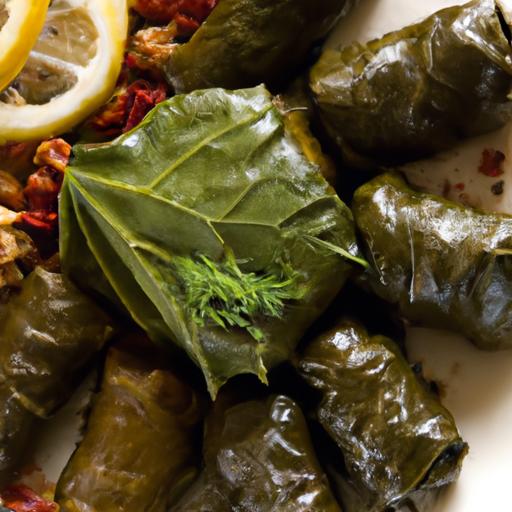

Beneath the delicate folds of vine leaves and the aromatic embrace of fragrant spices lies a culinary treasure that has traveled centuries and borders – dolma. More than just a dish,dolma is a vibrant tapestry woven from history,culture,and flavor,each bite telling stories of ancient kitchens and festive gatherings. In this article, we will unwrap the layers of dolma’s rich heritage and explore the diverse ingredients and techniques that give this beloved dish its enduring charm. Join us as we journey through time and taste, discovering how dolma has become a symbol of shared culinary tradition across continents.
Dolma Unwrapped reveals not only a dish but a lovely legacy woven through centuries and cultures. This humble, hand-rolled delight-grape leaves lovingly stuffed with rice, herbs, and sometiems meats-transcends borders and brings rich stories from the Mediterranean, Middle East, and the Caucasus to your table. Each bite is a symphony of history and flavor, bound by tradition yet open to interpretation. Whether served warm or chilled, Dolma invites cooks and food lovers alike to experience culinary harmony grounded in heritage.
Prep and Cook Time
- Preparation: 30 minutes
- Cooking: 1 hour
- Total Time: 1 hour 30 minutes
Yield
Approximately 30 stuffed grape leaves (serves 6)
Difficulty Level
Medium - requires some careful rolling and patience but rewarding for all skill levels
Ingredients
- 1 jar (16 oz) grape leaves, rinsed and drained
- 1 cup long-grain white rice, rinsed and drained
- 1 large onion, finely chopped
- 3 cloves garlic, minced
- 1 cup fresh parsley, chopped
- 1/2 cup fresh dill, chopped
- 1/2 cup fresh mint leaves, chopped
- 1/3 cup pine nuts, lightly toasted
- 1/4 cup olive oil, plus extra for drizzling
- Juice of 2 lemons
- 1 1/4 cups vegetable broth or water
- Salt and black pepper, to taste
- Optional: 1/2 lb ground lamb or beef (for a meat variation)
Instructions
- Prepare the grape leaves: Rinse the jarred grape leaves thoroughly under cold water to remove excess brine. Blanch them in boiling water for 2 minutes to soften, then drain and set aside, stacking them with veins facing up for easier rolling.
- Sauté aromatics: Heat 1/4 cup olive oil in a skillet over medium heat. Add the chopped onion and garlic,cooking until translucent and fragrant,about 5 minutes.Remove from heat and cool slightly.
- Mix the filling: In a large bowl, combine rinsed rice, toasted pine nuts, parsley, dill, mint, lemon juice, salt, pepper, and sautéed onions and garlic. If using meat, add it here. Mix thoroughly to incorporate flavors.
- Roll each dolma: Lay one grape leaf flat, vein side up. Place about 1 to 1 1/2 teaspoons of filling near the stem end. Fold the sides over the filling and roll tightly from the stem end to the tip. Repeat until all filling and leaves are used.
- Arrange in pot: Line the bottom of a heavy-bottomed pot with reserved or torn grape leaves to prevent sticking. Place the dolmas seam side down snugly in layers, packing them gently but firmly.
- Add broth and cook: Pour broth (or water) gently over the dolmas until almost covered. Place a heatproof plate upside down over the dolmas to keep them submerged. Cover and simmer on low heat for 50-60 minutes, until rice is tender and liquid absorbed.
- Cool and serve: Let the dolmas cool to room temperature (or chill in the refrigerator). Drizzle olive oil and extra lemon juice before serving to enhance brightness.
Tips for Perfect Dolma Unwrapped Flavor
- Select fresh herbs: Mint, dill, and parsley give vibrant freshness-avoid dried substitutes if possible.
- Balance the rice: Use medium or long grain rice. Do not overfill to avoid bursting leaves during cooking.
- Keep rolling tight: A snug roll ensures dolmas hold texture and form, preventing unraveling.
- make ahead: Dolmas taste even better after resting overnight. Store in an airtight container with lemon juice and olive oil.
- Try variations: Swap pine nuts for currants or add allspice for a deeper aroma; use meat for a heartier version.
- Avoid bitterness: Blanch grape leaves well and rinse multiple times to reduce saltiness and bitterness from brined leaves.
Serving Suggestions
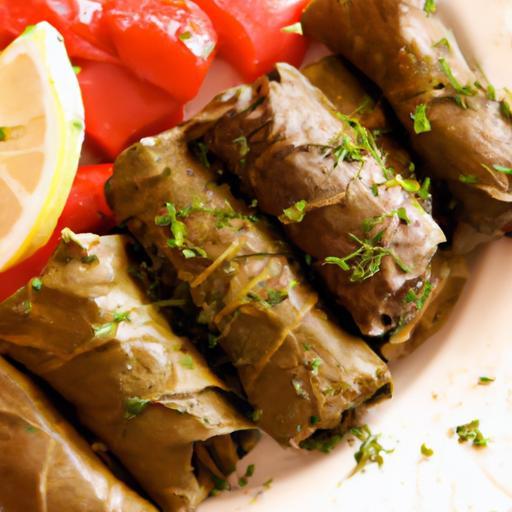
Present these gorgeous parcels on a large platter lined with fresh herb sprigs and lemon wedges. For an authentic experience, serve with a side of cool tzatziki or a drizzle of yogurt sauce. A sprinkle of pomegranate seeds adds a jewel-like finish and pop of color. Pair dolmas with lightly toasted pita and robust red wine or chilled white wines like Assyrtiko or sauvignon Blanc. The dish works wonderfully as an appetizer, part of a mezze spread, or a main course accompaniment.

| Nutrient | Amount per serving |
|---|---|
| Calories | 180 kcal |
| Protein | 4 g |
| Carbohydrates | 22 g |
| Fat | 8 g |
For more on Mediterranean staples, be sure to check our Mediterranean Cooking Basics, and to dive deeper into the cultural origins, the Encyclopaedia Britannica offers a fascinating overview.
Q&A
Q&A: Dolma Unwrapped – Exploring the History and Flavors Within
Q1: What exactly is dolma?
A1: Dolma, from the Turkish word “dolmak” meaning “to be stuffed,” is a culinary masterpiece found across the Middle East, Mediterranean, and beyond. At its core, dolma refers to vegetables, grape leaves, or even fruits, lovingly stuffed with a flavorful filling, often rice, herbs, and sometimes meat. It’s a dish that wraps history, culture, and taste into one delightful bite.Q2: Where did dolma originate?
A2: Tracing dolma’s origins is like unraveling a delicious mystery.It is indeed believed to have roots in the Ottoman Empire, where diverse cultures mingled and culinary ideas blended. From Anatolia to the Levant, and the Caucasus to the Balkans, dolma evolved, reflecting each region’s unique spices, ingredients, and traditions. It’s a true culinary tapestry woven over centuries.
Q3: what are the common fillings used in dolma?
A3: Fillings vary widely depending on geography and preference. Rice, pine nuts, currants, and fresh herbs like dill, mint, and parsley are staples. ground lamb or beef is frequently enough added for a meatier version. Some sweeter varieties use nuts and dried fruits, showcasing dolma’s versatility as both savory mainstay and festive treat.Q4: How do grape leaves come to be the iconic wrapper for dolma?
A4: Grape leaves are prized for their tender texture and subtly tangy flavor, which perfectly complements the seasoned filling.Traditionally harvested in spring or early summer, they are often brined or blanched before wrapping, imparting a vibrant, slightly tart note that balances richness and freshness – a natural edible vessel crafted by nature.
Q5: Are there vegetarian or vegan versions of dolma?
A5: Absolutely! vegetarian dolmas are not only common but celebrated, especially during fasting periods or in regions where plant-based diets are prevalent. These versions typically emphasize aromatic herbs, spices, and nuts, creating a complex, satisfying flavor profile that proves dolma is as delightful without meat as with it.
Q6: How has dolma been embraced around the world?
A6: Dolma has journeyed far beyond its origins, embraced and adapted globally. In Mediterranean and Middle eastern restaurants worldwide, dolma often symbolizes home and heritage. each culture’s adaptation adds a new thread to the rich dolma story-whether it’s Armenian stuffed eggplants, Greek “dolmades” dipped in lemon sauce, or Persian ”dolmeh” bursting with pomegranates and aromatic spices.
Q7: What makes dolma a dish that stands the test of time?
A7: Dolma’s enduring appeal lies in its perfect blend of simplicity and sophistication. It’s a dish that can be humble or extravagant, communal or intimate.Beyond ingredients,dolma carries stories-of family gatherings,seasonal harvests,and the art of slow cooking. Unwrapping dolma is, in essence, unwrapping a piece of cultural history filled with warmth and flavor.
Q8: Any tips for making dolma at home?
A8: Patience and care are key! Selecting fresh grape leaves or their substitutes, preparing a well-seasoned filling, and rolling each dolma with tender hands makes all the difference. Cooking gently, often simmered in a lemony broth, ensures the flavors meld beautifully. And don’t forget the final flourish: a squeeze of fresh lemon juice before serving to brighten every bite.
Dolma is more than just a stuffed dish-it’s a heartfelt tradition wrapped in layers of history and flavor, inviting every curious palate to explore its rich, delicious world.
To Conclude
As we peel back the layers of dolma’s rich history and savor the mosaic of flavors nestled within its tender folds, we uncover more than just a dish-we discover a culinary tradition that has traveled across time and borders, weaving together cultures and stories. From ancient harvests to modern tables, dolma invites us to taste the past while celebrating the vibrant present. So next time you unwrap this humble yet extraordinary delight, remember: each bite is a journey through history, a festivity of diversity, and a shared love of food that unites us all.