
Few appetizers evoke as much nostalgic charm and culinary curiosity as the humble deviled egg. At first glance, these creamy, seasoned halves of hard-boiled eggs may seem simple-yet beneath their unassuming exterior lies a rich tapestry of history, culture, and kitchen creativity. In “Decoding Deviled Eggs: History, Tips, and Tasty Twists,” we’ll peel back the layers of this classic dish, exploring how it evolved from ancient feasts to modern party platters. Along the way, we’ll share expert tips to perfect your preparation and inspire you with inventive variations that bring new life to this timeless favorite. Whether you’re a seasoned deviled egg devotee or a curious culinary explorer, join us on a flavorful journey to unlock the secrets behind one of the world’s most enduring snacks.
Decoding deviled eggs begins with appreciating their rich culinary legacy, a dish whose charm transcends centuries and continents. Originating in ancient rome as boiled eggs seasoned with spicy sauces, these humble bites evolved through medieval Europe and landed squarely in american kitchens as the quintessential party snack. Their enduring popularity is no surprise-deviled eggs perfectly balance creamy, tangy, and subtly spicy flavors, making them endlessly customizable and irresistibly flavorful.
Prep and Cook time
- Preparation: 15 minutes
- Cooking: 12 minutes
- Cooling: 10 minutes
- Total Time: 37 minutes
Yield
Serves 12 deviled egg halves (approximately 6 whole eggs)
Difficulty Level
Easy – Perfect for beginners and seasoned cooks alike
Ingredients
- 6 large eggs
- 3 tablespoons mayonnaise (preferably full-fat for creaminess)
- 1 teaspoon Dijon mustard
- 1 teaspoon white wine vinegar or apple cider vinegar
- ¼ teaspoon smoked paprika plus extra for garnish
- Salt and freshly ground black pepper to taste
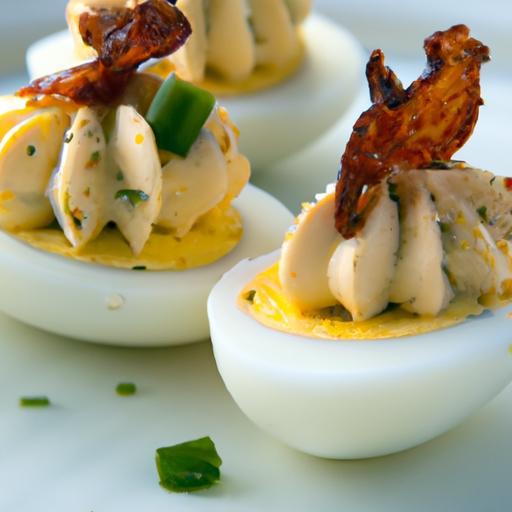
- Optional garnish: finely chopped chives, dill, or crispy bacon bits
Instructions
- Boil the eggs: Place eggs in a single layer in a saucepan, cover with cold water by 1 inch. Bring to a rolling boil over medium-high heat. Once boiling, cover the pot and remove from heat. Let sit for exactly 12 minutes for perfect doneness.
- Cool and peel: Transfer eggs immediately to an ice bath to stop cooking and ease peeling, allowing them to chill for 10 minutes.Gently tap and peel shells, rinsing off any residue.
- Halve and separate yolks: Slice each egg in half lengthwise. Carefully scoop yolks into a medium bowl, laying whites on a serving tray.
- Prepare the filling: Mash yolks with a fork until crumbly and smooth. Add mayonnaise, Dijon mustard, white wine vinegar, smoked paprika, salt, and pepper. Stir vigorously until the mixture is creamy yet holds shape.
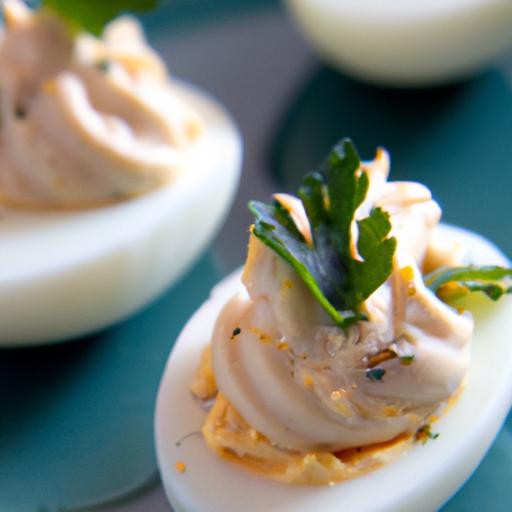
- Fill the egg whites: Using a spoon or piping bag fitted with a star tip, fill the egg white cavities generously with yolk mixture-aim for a neat, elegant mound.
- Garnish and chill: Lightly dust with smoked paprika. Add finely chopped chives, dill sprigs, or bacon bits if desired. Refrigerate at least 20 minutes before serving to meld flavors.
Tips for Success
- Use room temperature eggs before boiling to reduce cracking and improve peeling.
- If yolk mixture feels too dense, add a teaspoon of milk or additional mayonnaise for silkier texture.
- For a vibrant twist, incorporate finely diced roasted red peppers or avocado into the yolk filling.
- Deviled eggs can be made up to a day ahead; store tightly covered to maintain freshness.
- Use a piping bag to achieve professional presentation and avoid uneven filling.
Serving Suggestions
Serve chilled on a crisp white platter for contrast. Present your deviled eggs alongside fresh crudités or a crunchy green salad for a balanced spread. For elegance, place on a bed of purple cabbage leaves or edible flowers. Pair with crisp sparkling wine or a zingy citrus cocktail to accentuate their tangy creaminess. A sprinkle of microgreens elevates visual appeal and adds subtle freshness.
| nutrient | Amount per Serving |
|---|---|
| Calories | 70 kcal |
| Protein | 5 g |
| Carbohydrates | 1 g |
| Fat | 5 g |

For more inspiring recipes that enrich your party platter, check out our Classic Canapés. To uncover the engaging history behind similar crowd-pleasers, explore this detailed article from Smithsonian Magazine.
Q&A
Q&A: Decoding Deviled Eggs – History, Tips, and Tasty Twists
Q1: What exactly are deviled eggs, and where did they come from?
A: Deviled eggs are hard-boiled eggs halved and filled with a creamy, seasoned yolk mixture-think of them as the fancy deviled darlings of the appetizer world. The concept dates back to ancient Rome, where boiled eggs seasoned with spicy sauces were served as delicacies.The term “deviled” first appeared in the 18th century England and America, referring to dishes spiced up with mustard, pepper, or other zesty ingredients. over time, deviled eggs evolved into a picnic and party staple, beloved for their simplicity and versatility.
Q2: What makes the perfect deviled egg filling?
A: The heart of a stellar deviled egg lies in its filling: creamy, tangy, and just the right balance of flavors. Typically, the yolks are mashed and mixed with mayonnaise, mustard, a splash of vinegar or pickle juice, salt, and pepper.This classic base is like a blank canvas-smooth, rich, and slightly tangy. Achieving the right texture (not too dry or runny) and seasoning is key to creating that melt-in-your-mouth experience.
Q3: How can I avoid the dreaded green ring around the yolk?
A: That greenish-gray halo is caused by a reaction between sulfur in the egg white and iron in the yolk, often from overcooking. To prevent it, gently boil your eggs for about 9-12 minutes, then plunge them immediately into ice water to stop the cooking process. this method keeps the yolks luminous yellow and the whites tender-perfect for deviling.Q4: Are there creative twists to the customary deviled egg recipe worth trying?
A: Absolutely! deviled eggs are a playground for culinary creativity. Swap mayo for avocado or Greek yogurt for a health-boosted creaminess. Add flavor punches like smoked paprika, curry powder, sriracha, or fresh herbs like dill and chives. For a smoky spin, throw on crispy bacon bits or a small slice of smoked salmon. Want a global flair? incorporate curry, wasabi, or even kimchi into the filling. The possibilities are endless and delicious.Q5: What’s the best way to serve and store deviled eggs?
A: Serve deviled eggs chilled on a decorative platter, garnished with a sprinkle of paprika, fresh herbs, or tiny pickles. They shine brightest within a few hours of preparation but can be made a day ahead. Store them in an airtight container in the fridge to keep them fresh. If the filling is prepped in advance but not piped into the whites, keep it covered separately-this prevents the whites from getting soggy.Q6: Why are deviled eggs so popular at celebrations and gatherings?
A: Deviled eggs strike a perfect balance between comfort food and elegant appetizer. They’re bite-sized,visually appealing,and deeply satisfying. Their versatility means they can be tailored to suit rustic potlucks or upscale soirées. Plus,they combine familiar flavors with endless customization,making them crowd-pleasers that bring people together-one delicious half at a time.
Wrapping Up
From humble beginnings as simple boiled eggs to the dazzling array of flavors gracing today’s tables,deviled eggs have truly earned their place as a timeless culinary classic. Whether you’re inspired by their rich history, eager to perfect the creamy filling, or excited to experiment with unexpected twists, these little bites offer endless possibilities for both tradition and innovation. So next time you peel back that shell, remember: you’re not just enjoying a snack-you’re savoring a story, one deliciously devilish bite at a time. Happy cracking!