
Velvety, luscious, adn irresistibly smooth, chocolate pudding has long held a special place in the hearts-and on the palates-of dessert lovers around the world. Beyond its creamy texture and rich flavor lies a fascinating interplay of culinary artistry and scientific precision. From the careful selection of cocoa beans to the alchemy of eggs, sugar, and dairy melding into silky perfection, crafting the ideal chocolate pudding is both a creative journey and a delicate dance with chemistry. In this article, we’ll dive deep into the decadent delights of chocolate pudding, exploring the secrets behind its sumptuous texture, the artful techniques that elevate it, and the science that transforms simple ingredients into a timeless indulgence.
Decadent Delights begin with the perfect chocolate pudding-a timeless dessert that evokes nostalgia with every spoonful. Combining rich cocoa, velvety texture, and subtle artistry, this recipe transforms humble ingredients into an irresistible indulgence. Whether a cozy night in or a festive gathering, mastering this classic treat will elevate your culinary repertoire and delight all senses.
Prep and cook Time
- Planning: 10 minutes
- Cooking: 20 minutes
- Chilling: 2 hours (minimum)
Yield
Serves 6 generously.
Difficulty Level
Medium – perfect for experienced home cooks and adventurous beginners ready to master the art of silky chocolate pudding.
Ingredients
- 2 cups whole milk, preferably cold
- 1/2 cup heavy cream
- 1/3 cup granulated sugar
- 1/4 cup unsweetened cocoa powder, sifted
- 3 tbsp cornstarch, sifted
- 1/4 tsp fine sea salt
- 4 oz bittersweet chocolate (at least 60% cacao), finely chopped
- 3 large egg yolks, room temperature
- 2 tbsp unsalted butter, chilled and cubed
- 1 tsp pure vanilla extract
- Optional: pinch of instant espresso powder for depth
Instructions
- Combine dry ingredients: In a medium saucepan, whisk together the granulated sugar, unsweetened cocoa powder, cornstarch, and sea salt until evenly blended. This forms the base for your smooth, lump-free pudding.
- Incorporate liquids: Gradually whisk in the cold whole milk and heavy cream to the dry mix, ensuring the mixture is smooth and fully emulsified.
- Temper the egg yolks: In a separate bowl, lightly beat the egg yolks. slowly ladle about 1/3 cup of the warm milk mixture into the yolks while whisking continuously to avoid scrambling.
- cook the pudding base: Return the yolk mixture to the saucepan. Place over medium heat and stir constantly with a silicone spatula, scraping the bottom and sides. Cook for 8-10 minutes until the pudding thickens to a soft custard consistency. remove from heat just before it starts to bubble vigorously to preserve silkiness.
- Add chocolate and butter: Promptly stir in the finely chopped bittersweet chocolate and butter cubes until melted and fully incorporated,creating a glossy sheen.
- Finish with flavor: Stir in the vanilla extract and optional espresso powder, which enhances and deepens the chocolate notes.
- Strain and chill: For the ultimate smooth texture, pour the pudding through a fine mesh sieve into a clean bowl. Cover with plastic wrap pressed directly on the surface to prevent a skin from forming. Chill in the refrigerator for at least 2 hours before serving.
Chef’s Notes
- Choosing chocolate: Opt for high-quality bittersweet chocolate with at least 60% cacao for depth and balance. Semi-sweet may sweeten the pudding; adjust sugar accordingly.
- Temperature control: Constant stirring and moderate heat are key. Too hot or fast, and the pudding can curdle or scorch.
- Make-ahead tip: This pudding can be made up to 2 days in advance and kept refrigerated. Gently whisk before serving to restore smoothness.
- Texture variations: For a lighter, mousse-like pudding, fold in whipped cream once cooled but before chilling.
- Allergy substitutes: Use coconut milk as a dairy-free alternative but expect a subtle coconut undertone.
Serving Suggestions
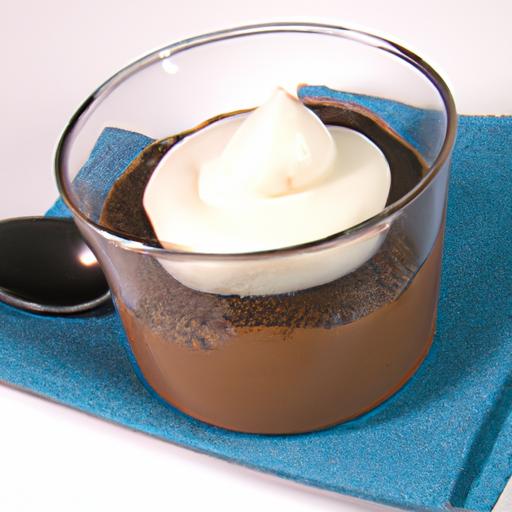
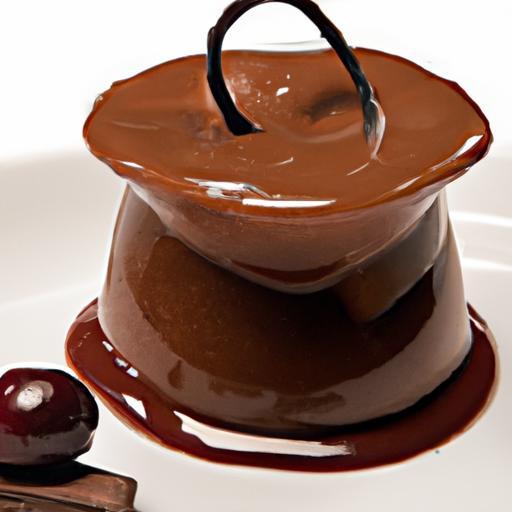
Present your masterpiece in small glass jars or vintage ramekins to showcase its glossy surface. Garnish with fresh raspberries, a sprinkle of flaky sea salt, or a dollop of whipped cream for contrast. Toasted chopped nuts or edible gold leaf add a luxe touch. Pair with a bold espresso or a glass of ruby port to complete the sensory experience.

Nutritional Information
| Nutrient | Per Serving |
|---|---|
| Calories | 280 kcal |
| Protein | 5 g |
| Carbohydrates | 28 g |
| Fat | 16 g |
Explore our classic chocolate mousse recipe for another elegant chocolate dessert to impress your guests.
For deeper understanding of cocoa chemistry, visit the ScienceDaily article on chocolate’s molecular magic.
Q&A
Q&A: Decadent Delights – The science and Art of Chocolate Pudding
Q1: What makes chocolate pudding so irresistibly creamy and smooth?
A1: The magic lies in the balance of ingredients and their interactions. Cocoa solids provide rich flavor, while starches and proteins thicken the mixture when heated. As the pudding cools, the gelatinization of starch molecules forms that luscious, velvety texture we crave. Meanwhile, fats from cream or butter coat your palate, rounding out the experience with silky decadence.
Q2: How does temperature influence the texture of chocolate pudding?
A2: Temperature is a pivotal player in pudding perfection. When cooked just right, heat activates starch granules to thicken the mixture without curdling. Cooling allows the pudding to set, firming up to the ideal creamy consistency. If cooled too quickly or unevenly, you might encounter a grainy or split texture. Patience and gentle stirring during cooling ensure a harmonious pudding!
Q3: Can the type of chocolate used change the flavor profile of pudding dramatically?
A3: Absolutely! Using bittersweet or dark chocolate brings deep, robust notes with a slight bitterness that balances sweetness, while milk chocolate imparts a creamier, sweeter character. The cacao percentage and quality affect both intensity and complexity-think floral, fruity, or nutty undertones-turning each batch into a unique sensory journey.
Q4: Why is chocolate pudding considered both an art and a science?
A4: Crafting chocolate pudding requires precision and creativity in equal measure. Science guides us through the chemistry of ingredients-how starch thickens, how cocoa imparts flavor, and how emulsification creates smoothness. Art comes alive in choosing flavors,textures,and presentation details,transforming a simple dessert into a soulful masterpiece that delights more than just the taste buds.
Q5: What are some creative twists to elevate classic chocolate pudding?
A5: The world of chocolate pudding is a canvas waiting to be painted. Try infusing the pudding with spices like cinnamon or chili for warmth and heat. Add a splash of espresso to amplify the chocolate’s depth. Layer pudding with fresh berries or a crispy praline for contrast. Or finish with a sprinkle of sea salt or a dollop of whipped cream infused with vanilla or liqueur-each variation tells its own appetizing story.
Q6: How does chocolate pudding connect to cultural and past traditions?
A6: Though beloved globally today,chocolate pudding traces roots to ancient cacao consumption and European custard traditions.it reflects a fusion of cultures: indigenous cacao knowledge merged with classical pastry arts. This dessert embodies centuries of evolution, symbolizing comfort and celebration, and continues to inspire cooks to blend heritage with innovation.
Q7: is it possible to make a healthier chocolate pudding without sacrificing taste?
A7: Yes! Swapping heavy cream for coconut milk or almond milk, reducing added sugar with natural sweeteners like maple syrup, or incorporating avocado for creaminess can lighten the dessert. Using high-quality dark chocolate provides antioxidants and richer flavor, meaning less sugar is needed. The key is maintaining harmony so health-conscious choices don’t compromise that lush, melt-in-your-mouth feel.
Chocolate pudding isn’t just a dessert-it’s an experience shaped by science, artistry, history, and endless creativity. Understanding the delightful dance behind each spoonful enriches every bite, making indulgence a mindful pleasure.
Final Thoughts
As the final spoonful of chocolate pudding melts on your tongue, you’re left not just with a lingering sweetness, but with an recognition for the intricate dance between science and art that transforms simple ingredients into a luscious delight. from the delicate balance of cocoa solids and sugar to the alchemy of temperature and texture, chocolate pudding is more than a dessert-it’s a testament to human creativity and culinary precision.So next time you indulge in this velvety treat, savor not only its rich flavors but also the fascinating chemistry and craftsmanship that make each bite a truly decadent experience.