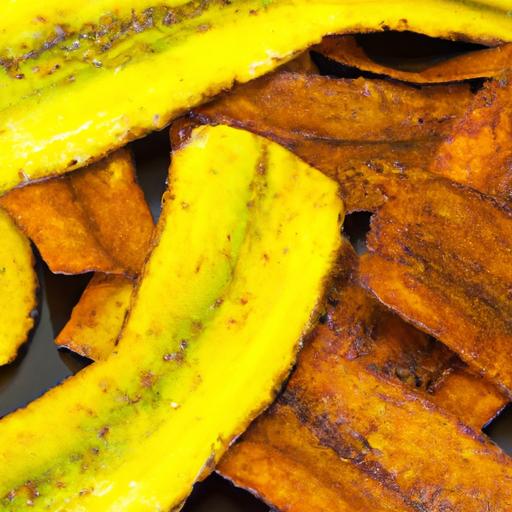

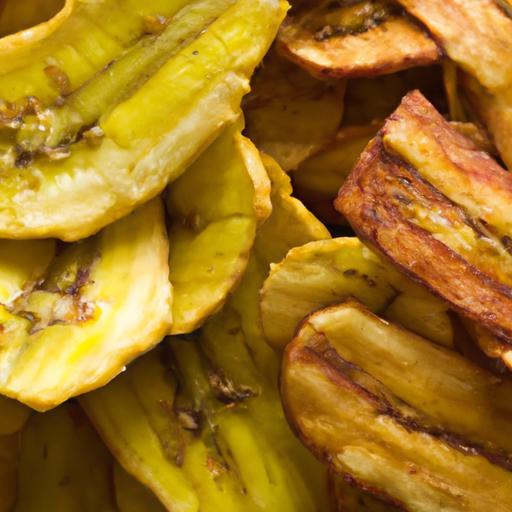
There’s something undeniably captivating about the satisfying crunch of a perfectly fried plantain chip-a golden, crispy treat that has journeyed from humble roots to become a beloved snack across the globe. But behind every delightful bite lies a rich tapestry of history, culture, and culinary innovation. In “Crunchy delights: The Story Behind Plantain Chips’ Rise,” we peel back the layers of this beloved snack’s evolution,exploring how a simple,starchy fruit transformed into a global sensation. From customary kitchens in tropical regions to trendy snack aisles in urban centers, the rise of plantain chips reveals a story as rich and textured as their irresistible crunch. Join us as we embark on a flavorful journey through time, taste, and tradition.
Crunchy Delights have long captured the hearts of snack lovers worldwide, with plantain chips standing out as a culinary marvel that blends cultural heritage with irresistible texture and flavor. Originating from the tropical regions of West Africa and the Caribbean, these golden crisps not only represent an everyday snack but also a bridge that connects generations and traditions. Their journey from humble street food to gourmet tables reflects the evolving art of snack-making, where ancient wisdom meets modern culinary innovation.
The Origins and Cultural Significance of Plantain Chips
Plantain chips, known as “dodo” or “chips de plátano” in various cultures, are deeply entrenched in West African and Caribbean societies, where plantains are a dietary cornerstone. Historically, they served both as a staple food and a convenient snack, frequently enough accompanying festive occasions and communal gatherings. The natural abundance of plantains in these regions fostered creative preservation and preparation techniques, turning the fruit into a crunchy, savory delight.
Beyond nourishment, plantain chips symbolize cultural identity and resilience, embodying traditional recipes passed through families. Their crisp texture and slightly sweet undertone evoke memories of home and family celebrations across continents.
Crafting the Perfect Crunch: Exploring Traditional and Modern Techniques
Achieving the quintessential crunch in plantain chips hinges on selecting the right plantain-preferably firm and slightly underripe to balance sweetness and starchiness. Traditional methods involve thin, careful slicing by hand and frying in clean palm or vegetable oil until perfectly crisp. Modern culinary artisans embrace innovations like air frying and controlled low-temperature techniques to ensure optimal crunch with less oil absorption.
Key to perfect chips is maintaining uniform slices-about 1/8 inch thick-so that each piece crisps evenly. Using a mandoline slicer ensures this precision, delivering consistent texture.Additionally, soaking sliced plantains momentarily in salted water helps reduce excess starch, preventing sogginess and enhancing crispness.
flavor innovations Shaping the Future of Plantain Snacks
While classic salted plantain chips continue to delight, creative chefs are pushing boundaries by infusing global flavors and spices. From smoky chipotle and fiery peri-peri to zesty lemon-pepper blends and aromatic herb fusions, modern variations cater to adventurous palates.Sweet-spiced options incorporating cinnamon and coconut sugar add a dessert-like twist, expanding plantain chips’ versatility.
Moreover, incorporating superfood seasonings such as turmeric and nutritional yeast introduces added health benefits without sacrificing taste, redefining plantain chips as both indulgent and nourishing.
Pairing Plantain Chips with Dips and Beverages for Ultimate Enjoyment
Plantain chips shine brightest when paired thoughtfully. Their crunchy, lightly sweet base complements a smooth guacamole, tangy mango salsa, or creamy black bean dip. For a complex pairing, try them alongside a spicy aioli or a smoky chipotle hummus.
Beverage-wise, these chips harmonize with refreshing drinks such as citrus-infused sparkling water, tropical fruit punches, and even crisp light beers. The contrast of textures and layers of flavor creates an immersive tasting experiance that elevates casual snacking to gourmet enjoyment.
Prep and Cook Time
- Preparation: 15 minutes
- Cooking: 10 minutes
- Total Time: 25 minutes
Yield
Approximately 4 servings
Difficulty Level
Easy
Ingredients
- 3 large green plantains, peeled and thinly sliced (about 1/8 inch thick)
- 2 cups vegetable oil (for frying) or air fryer setup
- 1 teaspoon sea salt, or to taste
- 1/2 teaspoon smoked paprika (optional, for smoky flavor)
- 1/4 teaspoon cayenne pepper (optional, for heat)
- Fresh lime wedges, for garnish
instructions
- Prepare the plantains: Using a sharp knife or mandoline slicer, cut the peeled plantains into thin, even slices, about 1/8 inch thick. Consistency ensures even cooking.
- Soak and dry: Place sliced plantains into a bowl of cold salted water for 5 minutes.This step helps remove excess starch and prevents sogginess. Drain and pat slices dry thoroughly with paper towels.
- Heat the oil: In a deep pan or skillet, heat vegetable oil over medium heat until it reaches approximately 350°F (175°C).If using an air fryer,preheat to 360°F (182°C).
- Fry in batches: Carefully add a single layer of plantain slices to the hot oil without overcrowding. Fry for 2-3 minutes per side until golden and crisp. Stir gently to avoid sticking. For air frying, arrange slices in a single layer and cook for 8-10 minutes, shaking halfway through.
- Drain and season: Use a slotted spoon to transfer chips onto paper towels to drain excess oil. While still warm, sprinkle with sea salt, smoked paprika, and cayenne pepper.
- Cool and serve: Allow chips to cool slightly for optimal crunch. Garnish with fresh lime wedges for an added zesty kick.
Chef’s Notes
- For extra crispiness, after drying the plantain slices, toss them lightly with 1 tablespoon of cornstarch before frying.
- Adjust seasoning to taste; experiment with other spices like garlic powder, cumin, or even cinnamon for sweet-savory variations.
- Utilize ripe plantains for sweeter, softer chips ideal in dessert contexts, but expect less crunch.
- Store cooled chips in an airtight container to maintain crispness up to 3 days.
- Try baking thinly sliced plantains at 400°F (205°C) for 15-20 minutes flipping halfway for a lower-fat option.
Serving Suggestions
Present plantain chips in a rustic basket lined with parchment paper for an inviting look. Accompany with small bowls of dips like avocado guacamole, black bean salsa, or creamy chipotle yogurt.Garnish with finely chopped fresh cilantro or parsley and serve lime wedges on the side to heighten brightness. pair with chilled tropical cocktails, fresh-pressed juices, or lightly hopped craft beers for a snack experience that’s both sophisticated and soul-satisfying.
| Nutritional Info (per serving) | Calories | Protein | Carbohydrates | Fat |
|---|---|---|---|---|
| Plantain Chips | 150 | 1g | 20g | 7g |
Explore more about the fascinating world of tropical snacks in our Tropical Fruit Recipes Collection. For a deeper dive into plantain cultivation and nutritional benefits, check out this informative guide at Britannica’s Plantain Overview.

Q&A
Q&A: Crunchy Delights: The Story Behind Plantain Chips’ Rise
Q1: What exactly are plantain chips, and how do they differ from regular potato chips?
A: Plantain chips are thinly sliced, fried or baked snacks made from green or ripe plantains-a starchy cousin of the banana. Unlike potato chips, plantain chips carry a unique sweet and savory flavor profile, frequently enough boasting a firmer, crunchier texture. Their natural sugars caramelize when cooked, creating a complex taste that teeters between subtly sweet and delightfully salty.
Q2: Where did plantain chips originate, and how did they become popular worldwide?
A: Plantains have been a staple in tropical regions like the Caribbean, West africa, and latin America for centuries. The practice of frying thin slices of plantain started as a humble snack in these cultures, enjoyed for its portability and long shelf life. Their rise to global fame coincided with the spread of multicultural food trends and a growing appetite for ethnic snacks-bringing the humble plantain chip from local markets to international shelves.
Q3: What makes plantain chips a “crunchy delight”?
A: The crunch factor comes from how plantains are prepared and cooked. Typically sliced thin with precision and fried in hot oil, the moisture evaporates quickly, creating an ultra-crispy texture. Whether dusted with sea salt, spiced with chili powder, or infused with garlic, the combination of a satisfying crunch and bold flavors is key to their addictive appeal.
Q4: How have modern food trends influenced the evolution of plantain chips?
A: As consumers seek healthier and more exciting snack options, plantain chips have ridden the wave of the clean-label and plant-based movements. Now available baked, minimally salted, or tossed in exotic seasonings like tajin or truffle oil, these chips cater to adventurous eaters and health-conscious snackers alike. Their gluten-free, vegan nature only adds to their cross-cultural and dietary appeal.
Q5: What role do plantain chips play in cultural identity and cuisine today?
A: Beyond a simple snack,plantain chips represent a tasty connection to cultural heritage. They embody the ingenuity of tropical communities who transformed a staple fruit into a versatile treat. Today, they act as edible ambassadors-introducing the world to rich culinary traditions while evolving to fit modern palates and lifestyle demands.
Q6: Can we expect new innovations in plantain chips in the near future?
A: absolutely! The future of plantain chips is bright and flavorful. From innovative cooking techniques like air-frying and dehydrating to creative flavor pairings inspired by global cuisines,plantain chips are poised to maintain their crunchy reign. Additionally, with sustainability trending, expect more brands to highlight ethical sourcing of plantains and eco-friendly packaging.Q7: How can someone best enjoy plantain chips?
A: Plantain chips are incredibly versatile. Eat them straight out of the bag for a swift crunch, or pair them with dips like guacamole, spicy salsas, or hummus to elevate your snack game. They also make an excellent crunchy topping for salads, soups, or even desserts when paired with a sprinkle of cinnamon and sugar. Ultimately, their vibrant taste invites creativity in every crunch!
Insights and Conclusions
From humble beginnings as a simple snack rooted in tradition, plantain chips have journeyed far beyond their tropical origins to become a crunchy delight savored worldwide. Their rise tells a story not just of flavor and texture, but of cultural exchange, innovation, and the timeless appeal of turning everyday ingredients into something remarkable. As we savor each crispy bite, we’re reminded that sometimes, the most unassuming snacks carry the richest histories-inviting us to crunch with curiosity and appreciation for the plantain chip’s remarkable journey.