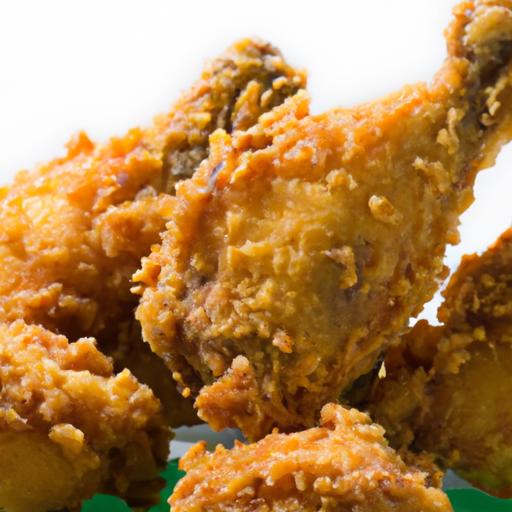

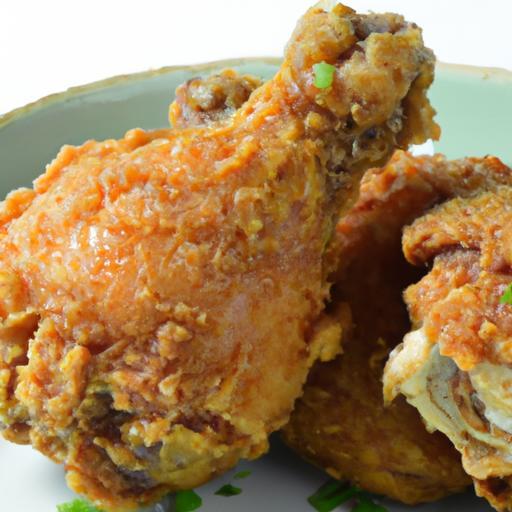
Golden, crackling, and irresistibly fragrant, fried chicken has long held a cherished place at tables around the world. Beyond its mouthwatering appeal lies a rich tapestry of history, tradition, and culinary mastery that spans centuries and continents. From humble beginnings to cultural icon, the journey of fried chicken is a story of innovation, community, and comfort-an art form perfected through the interplay of technique, seasoning, and sizzling oil. In this exploration of “Crispy Comfort: The Art and History of Fried Chicken,” we’ll uncover the roots of this beloved dish, the secrets behind its signature crunch, and the enduring reasons why it continues to captivate taste buds and hearts alike.
crispy Comfort begins with the irresistible allure of golden, crackling skin that melts into tender, juicy meat beneath. Fried chicken,a dish beloved across continents,has woven itself into countless cultural tapestries-from the spice-laden streets of Korea to the smoky porches of the American south. The secret to transcending cultures lies in mastering the perfect crunch and elevating flavor profiles with time-honored marinades and creative seasoning blends.Join me on a flavorful journey that will unlock the secrets behind that crave-worthy, crunchy shell while embracing the rich traditions that have made fried chicken a global comfort food icon.
Prep and Cook Time
- Preparation: 20 minutes
- Marination: 4 hours (or overnight for best flavor)
- cooking: 15-20 minutes
Yield
serves 4 hungry eaters
Difficulty Level
Medium – perfect for adventurous home cooks ready to perfect their deep-frying skills
Ingredients
- 2 lbs bone-in, skin-on chicken thighs or drumsticks
- 2 cups buttermilk
- 1 tbsp hot sauce (optional, for marinade)
- 2 cups all-purpose flour, sifted
- 1 tbsp smoked paprika
- 1 tsp garlic powder
- 1 tsp onion powder
- 1 tsp cayenne pepper (adjust to taste)
- 1 tsp kosher salt
- 1 tsp freshly ground black pepper
- 1 tsp baking powder (for extra crispiness)
- Vegetable oil or peanut oil, for frying
- Fresh herbs (thyme or parsley, for garnish)
Instructions
- Marinate the chicken: In a large bowl, whisk together buttermilk and hot sauce. Submerge chicken pieces and cover. Refrigerate for at least 4 hours or overnight for maximum tenderness and flavor infusion.
- Prepare the seasoned flour: In a shallow dish, combine flour, smoked paprika, garlic powder, onion powder, cayenne pepper, salt, pepper, and baking powder. Whisk well to distribute spices evenly.
- Coat the chicken: Remove each piece from the marinade, allowing excess to drip off. Dredge thoroughly in the seasoned flour mixture, pressing gently to form a thick coating. Place coated pieces on a wire rack and let rest for 10-15 minutes-this helps the breading adhere better during frying.
- Heat the oil: In a deep heavy skillet or Dutch oven, pour oil to a depth of 2-3 inches. Heat to 350°F (175°C) using a thermometer for accuracy.
- Fry the chicken: Carefully add pieces in batches-do not overcrowd the pan. Fry for 7-9 minutes per side or until the crust is deep golden brown and internal temperature reaches 165°F (74°C). Turn gently to maintain crust integrity.
- Drain and rest: Transfer chicken to a wire rack set over a baking sheet to drain excess oil and maintain crispiness. Let rest for 5 minutes before serving.
Chef’s Notes: Tips for Success
- Double dredge: For an extra-crispy coating, dip the chicken back into the buttermilk briefly after the first flour coating, then dredge again in flour.
- Oil choice matters: Use oils with high smoke points like peanut or refined vegetable oil to avoid burnt flavors.
- Temperature control: Maintain oil temperature between 325°F-350°F for optimal crispness without overcooking the meat.
- Marinades add depth: Try swapping hot sauce for soy sauce, garlic, and ginger for an Asian-inspired twist, or add lemon zest and thyme for a Mediterranean flair.
- Make ahead: Coat the marinated chicken and refrigerate for up to 24 hours before frying to save time on serving day.
Serving Suggestions: Crafting the Ultimate Comfort Meal Experience
This fried chicken pairs beautifully with creamy mashed potatoes drizzled with rich gravy for a classic Southern vibe. For a fresh contrast, serve alongside tangy coleslaw tossed with apple cider vinegar dressing or a luminous cucumber salad. Garnish each plate with fresh herbs like parsley or thyme to add a pop of color and aromatic depth. Don’t forget a slice of buttery cornbread or warm biscuits to soak up every last crumb of crispy delight. For a touch of global flair, offer dipping sauces such as spicy aioli, honey mustard, or sweet chili sauce.

| Nutrient | Amount per Serving |
|---|---|
| Calories | 450 kcal |
| Protein | 32 g |
| Carbohydrates | 18 g |
| Fat | 28 g |
For more inspiration on layering flavors and continental cooking techniques, explore our Southern Cooking Basics post. For ancient context, see this detailed article on The History of Fried chicken.
Q&A
Q&A: Crispy Comfort – The Art and history of Fried Chicken
Q: What makes fried chicken so universally beloved?
A: Fried chicken strikes a magical balance between crispy, golden skin and tender, juicy meat. It’s comfort food that engages multiple senses-the crunch, the aroma, the warmth-that together create an irresistible experience. Beyond taste, it often carries nostalgic and cultural significance, reminding people of home, family, and celebration.Q: Where did the tradition of frying chicken begin?
A: While frying chicken is now synonymous with Southern U.S. cuisine, its roots are a blend of culinary histories. Scottish immigrants brought a tradition of deep-frying chicken in fat,while West African cooks introduced bold seasoning techniques. The marriage of these influences in the American South birthed the iconic fried chicken we cherish today.
Q: How has fried chicken evolved throughout history?
A: Originally a festive dish reserved for special occasions, fried chicken has traversed humble kitchens to become a global fast-food staple. Innovations like buttermilk marinades, brining, and double-breading techniques have refined its texture and flavor. Today, variations range from Korean double-fried crunch to Nashville’s spicy hot chicken, showing its dynamic adaptability.
Q: What is the secret to achieving the perfect crispy crust?
A: The art lies in moisture control and batter composition. Typically, the chicken is either brined or marinated to retain juiciness. The coating frequently enough combines flour with spices, sometimes supplemented with cornstarch or breadcrumbs for extra crunch. Frying at the correct oil temperature ensures a crisp shell without absorbing excess grease,locking in flavor and texture.Q: Why dose fried chicken evoke such comfort and warmth?
A: Fried chicken taps into primal cravings for satisfying fats and savory flavors-it’s food that feels like a hug for the palate. Additionally, its association with family gatherings, holidays, and communal meals imbues it with emotional resonance, making it not just nourishment but also a source of connection and solace.
Q: Are there cultural variations of fried chicken around the world?
A: absolutely! Each culture puts its spin on this crispy delight. Japan’s karaage features bite-sized, marinated pieces fried to golden perfection. South Korea’s version is known for an ultra-crispy double fry and a variety of glazes. In the Caribbean, fried chicken is seasoned with island spices like allspice and scotch bonnet peppers, infusing it with vibrant heat and aroma.
Q: How has the rise of fast-food chains influenced fried chicken’s place in modern cuisine?
A: Fast-food chains propelled fried chicken into global fame by standardizing recipes and making it widely accessible. They amplified its comfort-food status but sometimes at the cost of culinary craft. However, this mainstream popularity has also sparked chef-led revivals and artisanal takes that honor the dish’s rich heritage while pushing creative boundaries.
Q: can fried chicken be healthy?
A: While traditionally indulgent, there are ways to make fried chicken lighter-using lean cuts, air fryers, or oven methods that mimic crispiness with less oil. Marinating in yogurt or buttermilk can improve digestibility. but ultimately, fried chicken is best savored as an occasional treat, celebrated not just for nutrition, but for joy and tradition.
Q: What’s the future of fried chicken?
A: Fried chicken continues to evolve, embracing plant-based alternatives and innovative cooking methods.Chefs worldwide are experimenting with global spices, fermentations, and enduring ingredients, ensuring this classic comfort food remains vibrant and relevant. Its enduring appeal promises that, crispy or or else, fried chicken will keep its place on tables and hearts for generations to come.
The Way Forward
From humble beginnings to iconic status on dinner tables worldwide, fried chicken has crispy-cradled its way through history, culture, and countless kitchens. More than just a meal,it’s a delicious testament to tradition,innovation,and the universal love of comfort food. So next time you bite into that golden, crackling crust, remember-you’re savoring centuries of art, passion, and the perfect harmony of crunch and flavor. In every crispy piece lies a story, inviting us all to appreciate the rich tapestry behind this beloved classic.