

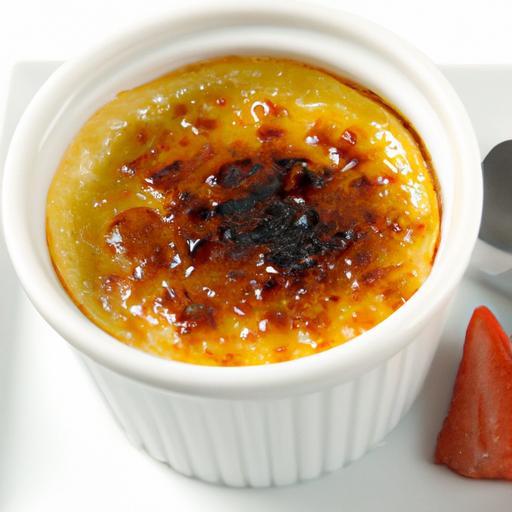
There are few desserts that evoke as much anticipation and delight as crème brûlée-a luscious custard crowned with a shimmering, caramelized sugar crust that cracks satisfyingly beneath the spoon. This iconic treat, with roots that trace back centuries and across cultures, is much more than a sweet finale to a meal; it is indeed a harmonious marriage of art and science. Behind its velvety texture and golden, brittle topping lies precise technique, careful temperature control, and an understanding of chemistry that transforms simple ingredients into a sensory masterpiece. In this article, we unravel the secrets of crème brûlée, exploring how tradition meets innovation to create a dessert that continues to captivate both chefs and dessert lovers around the world.
Crème Brûlée: The Art and Science of a Classic Dessert
Crème brûlée is the quintessential dessert that captivates with its silky, vanilla-infused custard beneath a gleaming, perfectly caramelized sugar crust. Its rich history spans centuries, evolving across countries and kitchens, embodying both tradition and innovation. From the delicate French parlors to modern culinary artistry, mastering this dessert reveals the exquisite balance of precision and creativity that food lovers cherish.
The Origins and Evolution of Crème Brûlée
Originally rooted in French cuisine, crème brûlée’s origins are ofen traced back to the 17th century, with literary mentions appearing as early as 1691 in François Massialot’s cookbook. though debated, some culinary historians link similar recipes to English “Trinity Cream” or Spanish “Crema Catalana,” yet the French version set the standard for what we celebrate today: an ultra-smooth custard crowned by a brittle, caramelized sugar shell. Over time, chefs worldwide have explored flavors-adding infusions like lavender, citrus zests, or even espresso-while preserving the original charm of its simple yet complex texture.
Mastering the Perfect Custard Texture
the heart of this classic lies in achieving a custard that is silky, smooth, and just set without curdling or cracking. The secret begins with quality ingredients: fresh egg yolks, real vanilla bean or extract, heavy cream, and just the right amount of sugar.Low and slow baking in a water bath ensures gentle, even heat conduction, preventing the dreaded graininess or “overcooked” pockets.
Key to success is whisking the egg yolks and sugar until pale and thick,then tempering them gradually with warmed cream to avoid scrambling. Baking the custards at about 325°F (160°C) in a bain-marie for 35-40 minutes results in a tender set that will “jiggle” slightly in the center-signaling a silky, luscious texture.
The Secrets Behind the Ideal Caramelized Sugar Crust
Perhaps the moast iconic feature, the caramelized sugar crust is both visual allure and sensory delight. Achieving that glassy, crackling surface requires an even layer of superfine sugar, spread uniformly atop chilled custards. Using a kitchen torch is the gold standard for controlled caramelization. Sweep the flame steadily, allowing the sugar to melt, bubble, and turn golden brown-avoiding burning or undercaramelizing.
If a torch isn’t available, broiling under a high heat source can suffice but demands close attention to prevent charring. the crust should harden quickly, forming a satisfying contrast to the creamy custard beneath. This interplay of textures is what makes crème brûlée truly unforgettable.
Tips and Techniques for Flawless Presentation and Serving
Presentation elevates this dessert from beloved classic to show-stopper. Select shallow, wide ramekins to maximize the custard-to-caramel ratio and promote even baking. Chill yoru custards thoroughly before torching to keep the layers distinct. For garnish, a few fresh berries, a sprig of mint, or edible flowers add color and freshness without overpowering the vanilla notes.
Serve promptly after caramelizing the sugar to enjoy the perfect contrast between the warm,crisp top and cold,creamy custard. Consider pairing with a light dessert wine such as Sauternes or a mild espresso to round out the sensory experience.
Prep and Cook Time
- Preparation: 15 minutes
- Baking: 35-40 minutes
- Chilling: Minimum 2 hours (preferably overnight)
- Total Time: Approximately 3 hours
Yield
6 servings
Difficulty level
Medium - requires careful temperature control and attention to technique
Ingredients
- 2 cups (480 ml) heavy cream
- 1 vanilla bean, split and seeds scraped (or 2 tsp pure vanilla extract)
- 5 large egg yolks
- 1/2 cup (100 g) granulated sugar, plus extra for caramelizing
- Pinch of fine salt
Instructions
- Preheat your oven to 325°F (160°C). Place 6 ramekins in a deep baking dish.
- Heat the heavy cream with vanilla bean seeds and pod in a saucepan until just simmering. Remove from heat and let infuse for 10 minutes.
- In a bowl, whisk the egg yolks, sugar, and salt together until the mixture is pale and thick (about 2-3 minutes). Remove the vanilla pod from the cream.
- Tepmer the yolk mixture by slowly pouring the warm cream into it while whisking constantly to avoid curdling.
- Strain the custard through a fine-mesh sieve to catch any cooked egg bits, then evenly pour into the ramekins.
- Add hot water to the baking dish to reach halfway up the sidess of the ramekins,creating a bain-marie for even baking.
- Bake for 35-40 minutes or until custards are gently set but still slightly wobbly in the center.
- Remove the ramekins from the water bath and let cool to room temperature. Refrigerate for at least 2 hours or overnight.
- Before serving, sprinkle an even layer of superfine sugar (about 1-2 tsp) on each custard surface.
- Caramelize the sugar using a kitchen blowtorch, moving the flame evenly until sugar melts and turns golden brown; allow caramel to harden for 1-2 minutes.
Tips for Success
- Use superfine sugar (caster sugar) for an even caramel crust. Regular granulated sugar can clump.
- Make custards ahead and refrigerate overnight, which enhances texture and flavor.
- If your custard cracks or curdles, the oven temperature might be too high-try using an oven thermometer.
- For a twist, infuse cream with citrus zest, coffee beans, or lavender for subtle variations.
- Make sure ramekins are dry before adding custard and water bath to avoid water leaks.
Serving Suggestions
Serve chilled, directly in their ramekins for a rustic appeal or unmold by loosening gently with a knife (be cautious of the fragile caramelized top). Garnish lightly with fresh raspberries, a sprig of mint, or edible violet petals for a delicate, elegant finish. A dusting of powdered sugar or a few flakes of sea salt also enhance flavor contrast beautifully.
| Nutritional Info (per serving) | amount |
|---|---|
| Calories | 320 |
| Protein | 6 g |
| Carbohydrates | 28 g |
| Fat | 20 g |
For further culinary inspiration, check out our related panna cotta recipe or learn more about custard science on Serious Eats.

Q&A
Q&A: Crème Brûlée – The Art and Science of a Classic Dessert
Q1: What exactly is Crème Brûlée?
A1: At its essence, Crème Brûlée is a luscious custard base, typically infused with vanilla, topped with a thin layer of caramelized sugar that cracks perfectly under your spoon. Its name, French for “burnt cream,” nods to that signature scorched sugar crust-a sublime balance of creamy and crisp that has delighted dessert lovers for centuries.
Q2: How did Crème Brûlée become a classic dessert?
A2: The origins of Crème Brûlée are a bit of a delicious mystery,with competing claims from France,England,and even Spain. However, it gained notoriety in French cuisine thanks to 17th-century chefs who mastered the delicate custard and the torched topping. Over time, its elegant simplicity secured its place on menus worldwide, celebrated as both a rustic treat and a refined finale.
Q3: What’s the secret to achieving the perfect custard?
A3: The magic lies in patience and precision. Cream, egg yolks, sugar, and vanilla must be gently combined and slow-cooked in a water bath-known as a bain-marie-to create a silky, smooth texture. The temperature is crucial: too hot, and the eggs curdle; too cool, and the custard won’t set. Baking softly ensures a tender custard that is firm enough to hold its shape but still melts on the tongue.
Q4: Why is the caramelized sugar crust so important?
A4: The caramelized sugar forms a textural contrast that defines Crème Brûlée. Its brittle, glassy surface provides a satisfying crunch, complementing the creamy custard below. Achieving the perfect brûlée means evenly melting the sugar with a torch or broiler until it forms a deep amber crust-just scorched enough to be crisp, but not burnt to bitterness.
Q5: Can Crème Brûlée be flavored beyond vanilla?
A5: Absolutely! while classic vanilla is timeless, the custard canvas welcomes endless creativity. Infusions such as lavender, coffee, citrus zest, or even spices like cinnamon and cardamom can elevate the dessert. Some chefs incorporate chocolate or fruit purées for a modern twist, proving that tradition and innovation can beautifully coexist.
Q6: What tools and tips help in making Crème Brûlée at home?
A6: A few essentials: ramekins for individual portions, a reliable kitchen torch for caramelizing sugar, and a sturdy baking dish for the water bath. Key tips include straining the custard mixture to remove any lumps, drying the ramekins thoroughly (to prevent cracking), and letting the custards chill thoroughly before torching. Patience in each step rewards with that iconic interplay of creaminess and crack.
Q7: How should Crème Brûlée be served?
A7: Serve chilled but torch the sugar crust just before presenting, so the crack stays crisp. It’s a dessert of moments-silky custard meets the snap of hot caramel, merging in your mouth with warmth and coolness.often garnished simply with fresh berries or a sprig of mint, the focus remains on the texture and flavor harmony.
Crème Brûlée invites us to savor not just a dessert, but a sensory experience-where heat and cold, sweetness and crispness interplay in perfect culinary harmony. Whether you’re an aspiring home cook or a curious foodie,understanding its art and science enriches every decadent spoonful.
Final Thoughts
As the final caramelized crack of a perfectly torched crème brûlée echoes, we’re reminded that this dessert is much more than a sweet treat-it is a delicate dance between culinary artistry and scientific precision. From the careful balancing of cream,egg yolks,and sugar to the alchemy of caramelization under an open flame,crème brûlée invites us to appreciate the harmony of technique and flavor.Whether enjoyed in a quaint Parisian café or crafted in your own kitchen, this timeless classic continues to captivate palates and inspire dessert lovers around the world. So next time you savor that silky custard beneath its golden crust, take a moment to honor the exquisite blend of art and science that makes crème brûlée truly unforgettable.