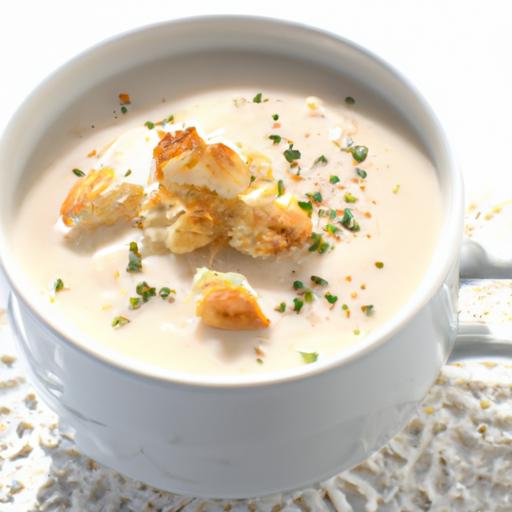

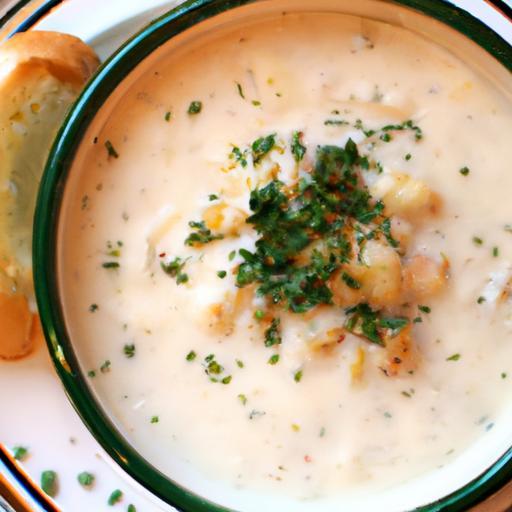
In the heart of New England’s coastal charm lies a steaming bowl that has warmed generations adn captured the essence of maritime tradition-clam chowder. Creamy, hearty, and brimming with tender clams and potatoes, this iconic soup is more than just a comforting meal; it’s a flavorful story steeped in history, culture, and culinary ingenuity. From humble beginnings aboard fishing vessels to the refined tables of New England’s finest eateries, clam chowder has evolved into a symbol of regional pride and communal heritage. Join us as we dive into the rich narrative behind this creamy comfort, uncovering the origins, transformations, and timeless appeal of New England clam chowder.
Creamy Comfort is more than a mere phrase when you dive into a bowl of authentic New England clam chowder.This iconic coastal classic has been warming hearts and homes for centuries, offering a velvety richness born from fresh clams, hearty potatoes, and a lovingly crafted creamy base. Originating from the resourceful fishermen and settlers who depended on the sea’s bounty, clam chowder has evolved into a quintessential symbol of new England’s culinary heritage-each spoonful telling a story of rugged coastlines, salt-kissed air, and timeless comfort.
Prep and Cook Time
- Preparation: 20 minutes
- Cooking: 35 minutes
- Total Time: 55 minutes
Yield
- Serves 6 generous portions
Difficulty Level
- Medium – requires attention but perfect for home cooks eager to impress
Ingredients
- 4 cups fresh clam juice (from about 2 dozen littleneck clams, or bottled clam juice)
- 2 dozen littleneck clams, scrubbed clean
- 4 slices thick-cut bacon, diced
- 1 large white onion, finely chopped
- 3 stalks celery, diced
- 3 medium Yukon Gold potatoes, peeled and cubed (about 2 cups)
- 3 tablespoons unsalted butter
- 1/4 cup all-purpose flour, sifted
- 2 cups whole milk
- 1 cup heavy cream
- 1 teaspoon fresh thyme leaves
- Salt and freshly ground black pepper, to taste
- Chopped fresh parsley, for garnish
- Fresh oyster crackers or crusty New England-style bread, for serving
instructions
- Steam the clams: In a large pot, bring the clam juice and clams to a gentle boil. Cover and steam until the clams open, about 5-8 minutes. Discard any unopened clams. Remove clams, set aside to cool, and strain the clam broth thru a fine sieve to remove grit. Chop clam meat finely, reserving.
- Cook the bacon: In a large heavy-bottomed pot or Dutch oven, cook the diced bacon over medium heat until crisp.Remove with a slotted spoon and drain on paper towels, leaving the rendered fat in the pot.
- Sauté the vegetables: Add the butter to the bacon fat and melt over medium heat. Stir in the chopped onion and celery, sautéing until translucent and fragrant, about 5 minutes.
- Make the roux: Sprinkle the flour over the softened vegetables and stir constantly for 2-3 minutes to cook out the raw flavor, forming a thick paste.
- Build the chowder base: Gradually whisk in the reserved clam broth, stirring to dissolve the roux without lumps. Add the potatoes and fresh thyme. Bring to a gentle simmer, cooking until potatoes are tender, about 15 minutes. Stir often to prevent sticking.
- add dairy and clams: Stir in the milk and cream slowly, keeping the heat on low to avoid curdling. Add the chopped clam meat and cooked bacon. heat through gently, but do not boil once the dairy is added. Season with salt and pepper to taste.
- Final touch: Allow the chowder to rest a few minutes off heat-this helps the flavors meld beautifully.
- Serve: Ladle into warm bowls, garnishing with fresh parsley and offering oyster crackers or crusty bread on the side.
Tips for Success
- maximizing clam flavor: for deeper umami, reserve clam liquor from steaming clams, but be sure to strain carefully to avoid grit.
- Potatoes: Yukon Golds balance creaminess and hold their shape perfectly, preventing mushy chowder.
- controlling thickness: Adjust flour and dairy proportions to your preferred chowder texture-thicker or silkier.
- Make ahead: Chowder tastes even better the next day after flavors marry. Gently reheat over low heat, adding a splash of milk if needed.
- Alternative dairy: Whole milk and cream create the classic richness, but half-and-half can lighten the dish subtly without losing creaminess.
- For a smoky twist: Smoked bacon or a dash of smoked paprika adds depth.
Serving Suggestions and Pairings to Elevate Your Chowder Experience at Home
Present your creamy comfort in rustic, shallow bowls to showcase the chowder’s luscious texture and colorful chunks of clam and potato. A sprinkle of fresh parsley or chives adds a burst of color and fresh aroma that contrasts beautifully with the indulgent creaminess.
Pair this soulful dish with a chilled glass of crisp Sauvignon Blanc or a light-bodied pilsner for a refreshing counterpoint. On the plate, serve alongside freshly toasted sourdough bread or classic oyster crackers for authentic texture contrasts.
for a heartier meal,consider a crisp green salad with citrus vinaigrette to balance richness,or a simple coleslaw with tangy dressing for contrast in texture and flavor.

| Nutrient | Amount per Serving |
|---|---|
| Calories | 310 kcal |
| Protein | 18 g |
| Carbohydrates | 22 g |
| Fat | 15 g |
For further culinary inspiration and to explore more classic New England dishes, check out our north East Seafood Recipes collection. To deepen your knowlege on clam varieties and sustainable harvesting, visit the NOAA Fisheries trusted resource.
Q&A
Q&A: Creamy comfort – The story Behind New England Clam Chowder
Q1: what is New England Clam Chowder, and what makes it so iconic?
A1: New England Clam chowder is a creamy, hearty soup brimming with tender clams, potatoes, onions, and frequently enough a splash of salt pork or bacon. What makes it iconic is its rich, velvety texture and the comforting mix of ocean flavors paired with simple, rustic ingredients. It’s a dish that evokes the rugged coastline of the Northeast and has become a symbol of homey, coastal American cooking.
Q2: How did New England Clam Chowder originate?
A2: the origins of New England Clam Chowder trace back to early settlers and Native American tribes, who harvested clams plentiful along the northeastern shores. These communities combined clams with staple ingredients like potatoes and onions, frequently enough simmered in milk or cream to create a nourishing meal suitable for harsh winters. Over time, this humble fishermen’s stew evolved into the creamy chowder beloved today.
Q3: Why is the chowder creamy instead of tomato-based?
A3: The creaminess stems from the chowder’s New England roots, where dairy farming was prominent, making milk and cream readily available. The northern climate also favored heartier, richer comfort foods. This contrasts with Manhattan Clam chowder, a cousin distinguished by its bright red tomato base. Creamy chowder warms the soul and balances the briny bite of clams with luscious dairy goodness.
Q4: What role do clams play beyond flavor?
A4: Clams are the heart and soul of the chowder. Their natural brininess infuses the broth with a distinctive oceanic depth that can’t be mimicked. Moreover, clams bring a ancient narrative, representing the New England coast’s reliance on the sea. using fresh local clams honors tradition while celebrating the bounty of the Atlantic.
Q5: Are there customary tips for making the perfect New England Clam Chowder?
A5: Absolutely! Patience is key-slowly simmering clams and letting potatoes soften ensures layers of flavor meld beautifully. Using fresh clam juice or broth rather than water intensifies the chowder’s essence. Lastly, adding cream or whole milk toward the end keeps the texture silky without curdling.Toasted oyster crackers or crusty bread are the perfect accompaniments, inviting you to scoop up every last creamy drop.
Q6: How has New England Clam chowder influenced American cuisine?
A6: Beyond its regional roots,New England Clam Chowder has become a culinary ambassador for coastal cooking nationwide. It’s a staple in seafood shacks, fine dining, and home kitchens alike. The chowder’s popularity introduced many to the concept of chowder itself,inspiring countless variations and cementing its place as an enduring comfort food classic.
Q7: Can New England Clam Chowder be reinvented, or should it stay traditional?
A7: While purists cherish the classic formula, creative chefs experiment by adding ingredients like corn, fresh herbs, or even a splash of sherry to elevate flavors. The key is preserving the chowder’s soul-the creamy texture and the starring role of clams-while feeling free to add a modern twist. After all, food evolves, but the spirit of comfort and community it embodies remains timeless.
Deliciously creamy and steeped in coastal history, New England Clam Chowder is more than a dish-it’s a story served in a bowl, inviting each spoonful to warm both body and heart.
Insights and Conclusions
From the bustling wharves of Boston to cozy kitchen tables across the Northeast, New England clam chowder stands as a testament to the region’s rich maritime heritage and culinary ingenuity. its creamy texture and briny depth capture not just the essence of fresh clams but also the warmth of tradition passed down through generations. Whether sipped slowly by a crackling fire or enjoyed fresh by the seaside, this chowder is more than a dish-it’s a comforting story in a bowl, inviting us all to savor a taste of New England’s soul. So next time you dig into a steaming bowl, remember you’re partaking in a legacy as rich and enduring as the sea itself.