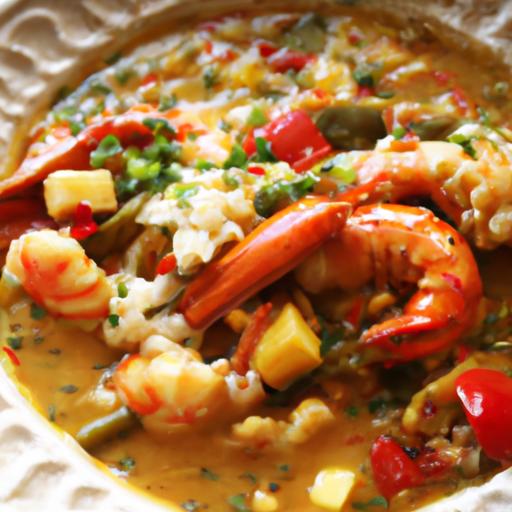

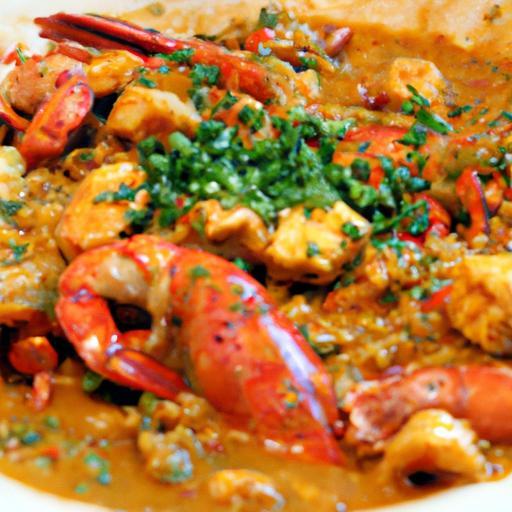
Beneath the steaming, spicy surface of Cajun cuisine lies a dish that perfectly embodies the soul of Louisiana: Crawfish Étouffée.This rich, velvety stew, brimming with tender crawfish tails and a symphony of bold seasonings, offers more than just a meal-it’s a delicious journey into the heart of Cajun flavor magic. With roots deeply embedded in the bayous and backroads of the South, Crawfish Étouffée invites food lovers to explore a culinary tradition where every spoonful tells a story of heritage, patience, and passion. In this article, we’ll dive deep into what makes this iconic dish so special, uncovering the techniques, ingredients, and cultural significance that transform a humble crawfish boil into a legendary feast.
Crawfish Étouffée embodies the vibrant heart of Cajun cooking, weaving together rich, smoky flavors with the delicate sweetness of fresh crawfish. Rooted deeply in Louisiana’s bayou culture, this iconic dish tells a story of resilience and tradition. As a culinary staple at family gatherings and festive celebrations, it captures the essence of community and heritage with every spoonful. The magic begins with a perfectly crafted roux,a process worthy of reverence,blending flour and fat into a golden-brown base that infuses the étouffée with its signature depth. Whether enjoyed as a comforting weeknight meal or a centerpiece for Mardi Gras, mastering Crawfish Étouffée invites you into a world of bold spices, soulful cooking, and timeless flavors.
Prep and Cook Time
- Readiness: 20 minutes
- Cooking: 45 minutes
- Total Time: 1 hour 5 minutes
Yield
Serves 6 hearty portions
Difficulty Level
Medium – Requires attention during roux preparation and layering of flavors
Ingredients
- 1 cup all-purpose flour, sifted
- 1 cup vegetable oil or clarified butter
- 1 large yellow onion, finely diced
- 1 green bell pepper, finely diced
- 2 stalks celery, finely diced
- 4 cloves garlic, minced
- 1 lb fresh crawfish tails, peeled and deveined
- 4 cups seafood stock or low-sodium chicken broth
- 2 tsp Cajun seasoning blend
- 1/2 tsp cayenne pepper (adjust to heat preference)
- 2 bay leaves
- Salt and freshly ground black pepper, to taste
- 2 tbsp butter
- 2 green onions, sliced (for garnish)
- 3 cups steamed white rice, for serving
Instructions
- Prepare the Roux: In a heavy-bottomed skillet or Dutch oven, heat the vegetable oil over medium heat. Gradually whisk in the flour. Stir constantly with a wooden spoon or whisk to prevent burning. Cook until the roux turns a deep golden to light chestnut brown, about 15-20 minutes. The key is patience; too dark can taste bitter, too light will lack flavor. Tip: Lower heat if roux browns too fast.
- Sauté the “Holy Trinity”: Add the diced onion, bell pepper, and celery to the roux. Stir and cook until the vegetables soften and become translucent, about 7-8 minutes. Then add minced garlic and sauté for 1 minute until fragrant.
- Add Liquids & Seasonings: Slowly whisk in the seafood stock or chicken broth to the roux mixture to avoid lumps. Stir in the Cajun seasoning, cayenne pepper, bay leaves, salt, and black pepper. Bring the mixture to a gentle simmer and cook for 15 minutes to deepen the flavors.
- Incorporate Crawfish and Butter: Reduce heat to low and gently fold in the crawfish tails and butter.Simmer for an additional 10 minutes, allowing the crawfish to cook through and the sauce to thicken beautifully.
- Final Taste and Adjustments: Remove bay leaves. Taste and adjust seasoning as needed. If the sauce is too thick, add a splash of stock or water to loosen.
- Serve: Spoon Crawfish Étouffée over freshly steamed white rice. Garnish with sliced green onions for a fresh pop of color and mild onion crunch.
Tips for Success
- Choosing Crawfish: Opt for fresh or live crawfish if possible. If unavailable, frozen crawfish tails make a grate alternative but avoid pre-seasoned varieties to control flavor balance.
- Patience with Roux: Crafting the roux is a slow process but foundational. Stir continuously to avoid scorching. Dark roux delivers smokiness; golden roux offers a lighter flavor.
- Make-Ahead: Étouffée tastes even better the next day as flavors develop. Store in an airtight container for up to 3 days. Reheat gently over low heat, adding broth as needed.
- Heat Control: Adjust cayenne and Cajun seasoning to your preferred level of spice. Remember, étouffée is about layered flavor, not overpowering heat.
- Gluten Gluten-Free Option: Substitute all-purpose flour with rice flour or gluten-free blends suitable for roux.
Serving Suggestions and Pairings
Present this Crawfish Étouffée nestled atop fluffy white rice for a classic experiance. A sprinkling of fresh parsley or sliced green onions highlights the rich, earthy hues of the sauce. For a festive meal, pair with warm Creole-style cornbread or a crisp cucumber and tomato salad to balance the richness. For beverages, opt for a chilled Riesling or a light, citrusy beer to refresh the palate between every spicy, soulful spoonful.

| Nutrient | Per serving |
|---|---|
| Calories | 350 kcal |
| Protein | 28 g |
| Carbohydrates | 25 g |
| Fat | 15 g |
For an authoritative dive into Cajun cuisine heritage, visit the Louisiana Travel Guide on Cajun and Creole Culinary Roots.
Q&A
Q&A: Crawfish Étouffée – A Rich Dive into Cajun Flavor Magic
Q: What exactly is Crawfish Étouffée?
A: Crawfish Étouffée is a classic Cajun dish that translates from French as ”smothered” or ”suffocated,” referring to the cooking method where crawfish tails are slowly simmered in a luscious, deeply flavored roux-based sauce. This dish embodies the spirit of Louisiana’s bayou with its hearty, spicy, and soul-satisfying flavors.
Q: Where did Crawfish Étouffée originate?
A: Étouffée originated in Louisiana, particularly in Cajun country. It’s a dish born from the resourcefulness of Cajun cooks who used locally available crawfish and simple ingredients to create a comforting stew. Over time, its popularity surged across the South and beyond, becoming an iconic symbol of Cajun cuisine.
Q: What makes the flavor of Crawfish Étouffée so distinctive?
A: The magic lies in the roux-a butter and flour mixture cooked to a rich,nutty brown-which forms the foundation. It melds beautifully with the “holy trinity” of Cajun cooking: onions,bell peppers,and celery. Seasonings like garlic, cayenne pepper, and thyme then elevate the crawfish tails into a robust, spicy, and velvety feast for the palate.
Q: What ingredients are essential for an authentic crawfish Étouffée?
A: At its core: fresh crawfish tails, butter, flour, the holy trinity (onion, bell pepper, celery), garlic, seafood stock or broth, Cajun seasoning, and green onions for garnish. Some variations add tomatoes or a splash of Worcestershire sauce, but simplicity and quality are key.
Q: How is Crawfish Étouffée traditionally served?
A: Traditionally, it’s spooned generously over a bed of steamed white rice. The rice absorbs the rich sauce, providing a perfect balance to the dish’s bold, spicy flavors. Frequently enough, it’s enjoyed with crusty French bread and a side of gumbo or jambalaya for a full Cajun meal experience.
Q: Can Crawfish Étouffée be made with other seafood?
A: Absolutely! While crawfish is the classic choice, étouffée can also be made with shrimp, crab, or even chicken, adapting to what’s on hand. Each variation brings its own nuance,but crawfish gives it that unmistakable,sweet,freshwater flavor deeply tied to Louisiana’s culture.
Q: What tips help to master the perfect roux for Étouffée?
A: Patience is key. Cook the flour and butter slowly over medium-low heat, stirring constantly, until the mixture achieves a rich peanut-butter or milk-chocolate color without burning. This process can take 15-20 minutes but is essential for developing the dish’s characteristic depth and nuttiness.
Q: Why is Crawfish Étouffée considered a festivity of Cajun culinary tradition?
A: It encapsulates the ingenuity, resilience, and bold flavors of Cajun cooking. Étouffée honors local ingredients and time-honored techniques, weaving together a history of cultural fusion and community. Eating it is like tasting a story passed down through generations-rich, vibrant, and beautiful in every bite.
Q: How spicy is Crawfish Étouffée, and can it be adjusted?
A: The heat level is wonderfully flexible. Conventional recipes pack a mild to moderate punch, allowing the complex flavors to shine. Adding cayenne or hot sauce raises the heat for those who crave a fiery kick, while reducing spices keeps it approachable for more delicate palates.
Q: Where can one experience the best Crawfish Étouffée outside of Louisiana?
A: While nothing beats the authentic experience in Louisiana’s restaurants or homes, many Southern eateries and Cajun-inspired kitchens across the country serve up excellent versions. Look for spots that emphasize freshness, homemade roux, and local seafood to get a taste that’s true to the bayou spirit.
The Conclusion
As the last spoonful of Crawfish Étouffée warms your palate, you’re not just savoring a dish-you’re experiencing a vibrant tapestry woven from Cajun heritage, rich spices, and coastal bounty. This hearty stew, with its silky roux and tender crawfish, is more than comfort food; it’s a celebration of culture, history, and the soulful spirit of Louisiana. Whether enjoyed in a bustling New Orleans kitchen or recreated at home, Crawfish Étouffée invites you to dive deep into a world where flavor tells a story, and every bite is a flavorful journey through cajun tradition. So next time you seek a taste of authentic Southern magic, remember: in the pot of Étouffée, the heart of Cajun cuisine bubbles with unmistakable warmth and charm.