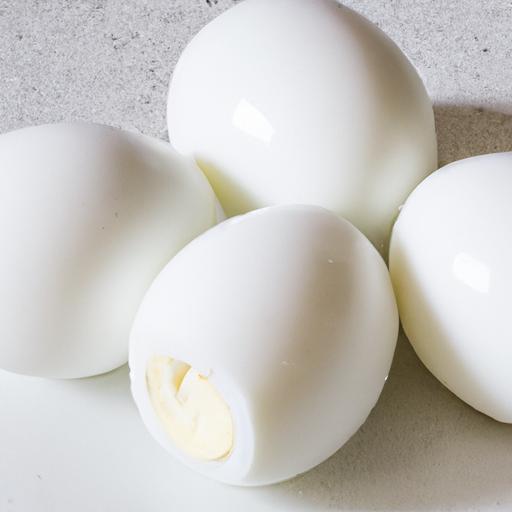

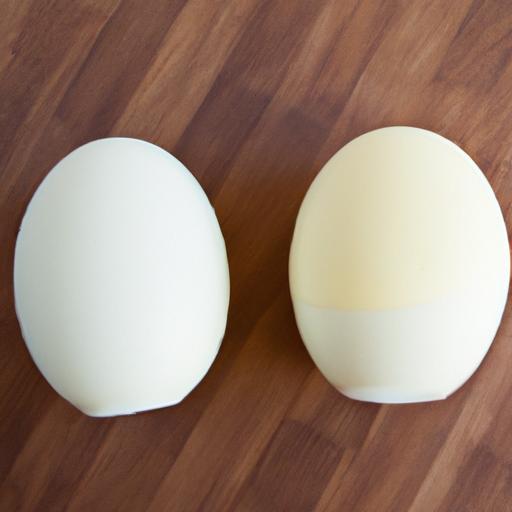
There’s an art hidden within the humble hard-boiled egg-a simple kitchen staple that, when mastered, transforms from a mundane snack into a culinary triumph. Yet, achieving that elusive perfect balance-a tender, creamy yolk cradled by a smooth, unblemished white-can feel like cracking a secret code. In this guide, we’ll unravel the mysteries behind boiling the ideal egg every time, revealing tips, tricks, and foolproof techniques that guarantee consistency and flavor. Get ready to elevate yoru egg game and say goodbye to rubbery whites and chalky yolks forever.
Crack the secret: Mastering Perfect Hard-Boiled Eggs Every Time begins with choosing the right eggs and understanding the delicate balance of freshness for flawless results. Selecting eggs that are just a week or two old provides ideal peeling ease without compromising taste or texture. Freshly laid eggs adhere stubbornly to their shells,leading to frustration and imperfect whites,while eggs that are too old might lose that luscious creaminess prized in hard-boiled perfection. opt for eggs with a matte finish and avoid shiny shells,which suggest freshness closer to the laying date but harder peeling. A simple float test-placing eggs in cold water-can help: eggs that sink but lay flat are perfect candidates for boiling.
Prep and Cook Time
- Preparation: 5 minutes
- Cooking: 10-12 minutes
- Cooling: 10 minutes
Yield
Serves 4 (approximately 8 large eggs)
Difficulty level
Easy – Perfect for beginners and seasoned cooks alike
Ingredients
- 8 large eggs, preferably 7-14 days old
- Water, enough to cover eggs by 1 inch
- 1 teaspoon baking soda (optional, for easier peeling)
- Ice cubes, for ice bath
Instructions
- Prepare the eggs: Remove eggs from the refrigerator 10 minutes before cooking to reduce cracking caused by temperature shock.
- Fill a pot with cold water: Use enough to cover eggs by at least 1 inch; adding 1 teaspoon baking soda to the water helps loosen the membrane for easy peeling.
- Gently place eggs in the pot: Using a slotted spoon, lower eggs one by one to avoid cracking.
- Bring water to a rolling boil: Heat on medium-high and once boiling, reduce heat to maintain a gentle simmer.
- Time the perfect boil: For creamy yolks,simmer eggs for exactly 10 minutes; for firmer yolks,push to 12 minutes. avoid overcooking to prevent greenish tints and sulfur smell.
- Shock the eggs immediately: Transfer eggs to an ice bath with plenty of ice to halt cooking and firm up the whites.
- Cool for at least 10 minutes: This step aids cracking ease and perfect texture.
- Crack smartly: Tap eggs gently on a hard surface, then roll under your palm to create a web of cracks.
- Peel under running cold water: This helps wash away tiny shell fragments and separates the membrane from the white, preserving pristine egg whites.
Tips for Success
- Choose eggs at least one week old to ensure flawless, effortless peeling without losing freshness.
- adding baking soda raises the pH level slightly,making the inner membrane less sticky and simplifying peeling.
- Maintain a gentle simmer instead of a rolling boil to prevent jarring cracks and uneven cooking.
- If the shell sticks, peel under cool running water to ease removal and avoid tearing the whites.
- Store unpeeled eggs in the fridge up to one week; peeled eggs last 3-4 days in an airtight container.
- Use a slotted spoon when boiling to prevent eggs clunking and cracking.
Serving Suggestions
Present your hard-boiled eggs halved with a sprinkle of flaky sea salt and freshly cracked black pepper for a simple and elegant snack. For a colorful twist, layer slices atop toasted avocado or crisp greens, finished with microgreens and a drizzle of chili oil. Deviled eggs elevate any brunch table-try mixing yolks with creamy Greek yogurt, smoked paprika, and a hint of fresh dill. Garnish with edible flowers or a dusting of za’atar to impress guests with minimal effort.
| Nutritional Info (per egg) | Calories | Protein | Carbs | Fat |
|---|---|---|---|---|
| Hard-Boiled Egg | 78 | 6 g | 0.6 g | 5 g |
For a deeper dive into related egg techniques and flavor combinations, don’t miss our guide to mastering scrambled eggs. To learn more about egg freshness and safety standards from a trusted source, visit the USDA’s official egg safety page.

Q&A
Q&A: Crack the Secret – Mastering Perfect Hard-Boiled Eggs Every Time
Q1: Why do hard-boiled eggs sometimes have that greenish ring around the yolk?
A1: That pesky green ring is the result of a harmless chemical reaction between sulfur in the egg white and iron in the yolk, typically caused by overcooking or rapid cooling. To keep your yolks luminous and golden, cook gently and cool quickly in ice water.
Q2: What’s the ideal cooking time for perfect hard-boiled eggs?
A2: For flawless eggs with firm whites and creamy yolks, simmer your eggs for about 9 to 12 minutes, depending on size. Start timing once the water reaches a rolling boil, then adjust slightly based on your stovetop and altitude.
Q3: Is it better to boil eggs starting in cold water or hot water?
A3: Both methods work, but starting in cold water and bringing to a boil gives you more control, minimizing cracking and overcooking. On the other hand, dropping eggs into already boiling water speeds things up but requires careful timing to avoid rubbery whites.
Q4: How can I effortlessly peel hard-boiled eggs without the shell sticking?
A4: The secret lies in freshness and technique! Slightly older eggs peel easier than super fresh ones. After boiling, plunge them into an ice bath to cool and contract the egg inside the shell. Then gently tap and roll the eggs on a hard surface to crack the shell evenly before peeling.
Q5: Can I store hard-boiled eggs, and how long do they stay good?
A5: Absolutely! Keep unpeeled, hard-boiled eggs refrigerated in a sealed container for up to one week. If peeled, consume within a couple of days to ensure freshness and flavor.
Q6: Any pro tips for adding flavor to hard-boiled eggs?
A6: Spice things up by soaking peeled eggs in soy sauce, infused vinegar, or your favorite marinade after cooking. Sprinkle with sea salt, smoked paprika, or chopped fresh herbs to elevate their natural taste.
Q7: Why do some eggs crack during boiling and how do I prevent it?
A7: Sudden temperature changes cause eggshells to crack. prevent this by letting eggs reach room temperature before boiling or starting them gently in cold water to gradually warm. Adding a pinch of salt or a splash of vinegar to the water can also help seal minor cracks.
Unlock the mystery behind perfect hard-boiled eggs with these tips-as life’s better when your eggs are just right!
To Conclude
With these simple yet foolproof techniques in your culinary arsenal, mastering the perfect hard-boiled egg is no longer a mystery but a delightful certainty. Whether you crave creamy yolks for a classic egg salad or firm centers for elegant deviled eggs, cracking the secret means you’ll never face guesswork again.So next time you hear that gentle boil, remember-precision and patience are your best allies on the path to egg-cellence. Happy cracking!