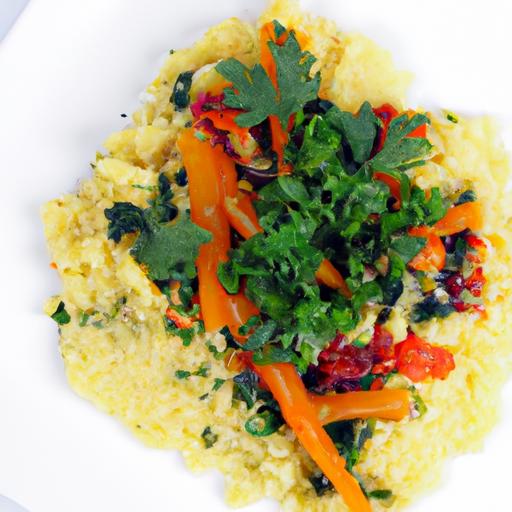

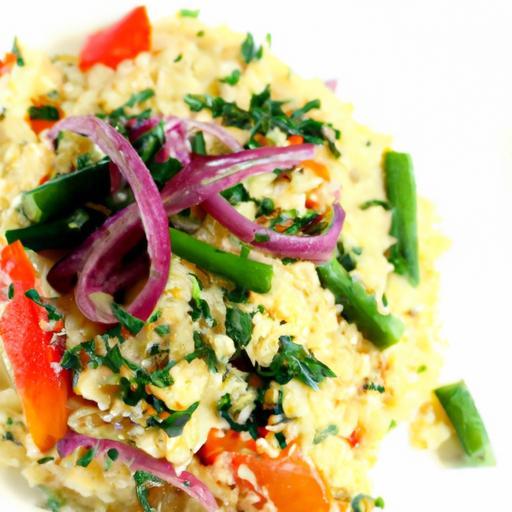
In the realm of culinary treasures, few ingredients embody both simplicity and versatility like couscous. These tiny grains, often overlooked as mere side dishes, carry within them centuries of history, culture, and a tapestry of flavors waiting to be discovered.”Couscous Uncovered: A Flavorful Journey Through Tiny Grains” invites you to embark on an exploration beyond the familiar, delving into the origins, varieties, and vibrant uses of couscous that have enchanted palates from the sun-drenched plains of North Africa to kitchens around the globe. Prepare to uncover the story behind each delicate granule and learn how this humble staple continues to inspire chefs and home cooks alike in crafting meals that are as rich in tradition as they are in taste.
Couscous uncovered: a flavorful journey begins with understanding how to master this versatile, ancient staple that has graced tables from North Africa to the Mediterranean for centuries. With its delicate, tiny grains, couscous effortlessly absorbs bold spices, vibrant herbs, and tangy dressings, transforming simple meals into memorable feasts. As a culinary content creator and food stylist, I’ve seen firsthand how perfecting the art of fluffy couscous can elevate everyday cooking, inviting creativity and cultural richness into your kitchen.
Prep and Cook Time
- Planning: 10 minutes
- Cooking: 10 minutes
- Total time: 20 minutes
Yield
serves 4 as a side dish or 2-3 as a main course
Difficulty Level
Easy
Ingredients
- 1 cup couscous (preferably medium-grain)
- 1 cup boiling water or vegetable broth
- 1 tbsp extra virgin olive oil
- ½ tsp fine sea salt
- 1 tbsp fresh lemon juice
- ¼ cup chopped fresh parsley
- 2 tbsp toasted slivered almonds
- ½ cup diced roasted red peppers (optional)
- 1 small clove garlic, minced
- Pinch ground cumin or smoked paprika (for a warm, earthy note)
Instructions
- Boil and Season: In a medium heatproof bowl, combine the couscous with salt and drizzle 1/2 tablespoon of olive oil. Pour 1 cup of boiling water or vegetable broth over the couscous.Quickly cover the bowl with a lid or plastic wrap to trap steam.
- Steam Fluffing: Let the couscous steam undisturbed for 8 to 10 minutes, allowing the grains to fully absorb the liquid. This gentle stewing method ensures fluffiness rather than clumping.
- Fluff with a Fork: Remove the cover and use a fork to gently separate the grains, creating a light, fluffy texture. Avoid stirring with a spoon to prevent mashiness.
- Flavor Infusion: Stir in the remaining olive oil, lemon juice, minced garlic, and your choice of spices (cumin or smoked paprika). This layering of flavors builds complexity without overpowering the delicate couscous.
- Final Touches: Fold in the chopped parsley, toasted almonds, and diced roasted red peppers for texture, burst of color, and vibrant flavor.
- Adjust Seasoning: Taste and add salt or lemon juice as needed, balancing brightness and seasoning before serving.
Tips for Success
- For extra aromatic couscous, toast the grains in a dry skillet for 2-3 minutes before hydrating-they’ll develop a subtle nuttiness.
- Use vegetable broth instead of water for more depth.
- If your couscous feels dry, stir in a teaspoon of olive oil or a splash of warm broth and fluff again.
- To make it a make-ahead dish, prepare as instructed, cool, then refrigerate in an airtight container for up to 2 days. Reheat gently with a sprinkle of water and a quick fluff.
- Experiment with add-ins such as golden raisins, chopped mint, or toasted pine nuts for seasonal flair.
Serving Suggestions
Present this perfectly fluffy couscous as the vibrant canvas for bold Mediterranean and North African flavors. Serve alongside spiced lamb tagines, grilled vegetables, or fragrant harissa chicken. Garnish with additional toasted nuts, fresh herbs like cilantro or mint, and a wedge of lemon for zest. For a refreshing twist, toss with diced cucumbers, cherry tomatoes, and a drizzle of creamy tzatziki. This dish also pairs beautifully with a dollop of labneh or a sprinkle of feta for contrasting creaminess and tang.

| Nutrient | Per Serving (¼ recipe) |
|---|---|
| Calories | 210 kcal |
| Protein | 6 g |
| Carbohydrates | 37 g |
| Fat | 5 g |
Looking to dive deeper into pairing couscous with complementary ingredients? Check out our article on Mediterranean Grain Salads for more inventive ideas.For the ancient and cultural background on couscous origins, Encyclopaedia britannica offers an excellent resource to enrich your culinary knowlege.
Q&A
Q&A: Couscous Uncovered – A Flavorful Journey Through Tiny Grains
Q1: What exactly is couscous?
A1: Couscous is a tiny pearl of semolina wheat, carefully steamed into light, fluffy grains that serve as the perfect canvas for flavors. Originating from the Maghreb region of North africa, it’s more than just a side dish-it’s a culinary tradition steeped in history and culture.
Q2: How is couscous traditionally prepared?
A2: Traditionally, couscous is steamed over a simmering pot of stew or broth in a special multilevel steamer called a couscoussier. This gentle steaming imbues each grain with moisture while keeping it light and airy. Unlike quick-cooking couscous found in stores, this method elevates the texture and flavor to a whole new level.
Q3: Why is couscous considered such a versatile ingredient?
A3: Couscous is a blank culinary slate. It can absorb the rich juices of meats, dance with the zest of vegetables, or blend effortlessly with sweet spices and dried fruits. From hearty tagines to refreshing salads, couscous adapts to the soul of any dish you imagine.
Q4: Are there different types of couscous?
A4: Absolutely! While the classic North African couscous is small and light, there’s israeli (or pearl) couscous, which has larger, rounder grains with a chewy bite, and Lebanese couscous, which is even bigger and often toasted for a nutty flavor. Each variation offers a unique texture and taste profile.Q5: Can couscous be a healthy addition to your diet?
A5: Without a doubt. Couscous is low in fat, a good source of plant-based protein, and provides essential selenium-a powerful antioxidant. Paired with vegetables, legumes, or lean proteins, it can support a well-balanced and nutritious meal.
Q6: How can you infuse couscous with maximum flavor at home?
A6: Begin by toasting the couscous lightly in olive oil or butter to unlock its nutty notes.use fragrant broths instead of water for steaming or soaking, and finish with fresh herbs like mint or cilantro, a splash of citrus, or a sprinkle of toasted nuts. The magic is in layering flavors with each step.
Q7: What cultural stories does couscous carry?
A7: Couscous is more than food-it’s a symbol of hospitality and community. In manny North African cultures, sharing couscous is an act of unity, often served at celebrations and family gatherings. Its preparation is a ritual passed from generation to generation,simmering with tradition and togetherness.
Q8: Where can someone starting their couscous journey find inspiration?
A8: Explore classic Moroccan tagines rich with spices and dried fruits, or dive into Mediterranean couscous salads bursting with fresh vegetables and lemony dressings. Cookbooks, food blogs, and cooking classes focusing on North African cuisine are wonderful places to begin this flavorful adventure.
Q9: Is couscous gluten-free?
A9: Customary couscous is made from wheat, so it contains gluten and is not suitable for gluten-free diets. However, choice grains like millet or corn can be prepared in a couscous-style manner as gluten-free substitutes.
Q10: What’s the best way to store couscous?
A10: Keep dry couscous in an airtight container in a cool, dry pantry for up to a year.Cooked couscous should be refrigerated in a sealed container and consumed within 3-4 days to maintain freshness and flavor.
Embark on your own flavorful journey with couscous-tiny grains with a towering legacy, ready to transform every meal into a celebration of taste and tradition.
Wrapping Up
As our flavorful journey through the tiny, versatile grains of couscous comes to a close, it’s clear that this humble staple carries far more than just culinary delight. From its rich cultural roots in North Africa to its global adaptations, couscous is a testament to how simple ingredients can weave stories of tradition, innovation, and shared meals. Whether fluffy, toasted, or infused with spices and fresh herbs, each tiny grain holds a world of possibility, inviting cooks everywhere to explore, create, and savor. So next time you scoop a spoonful of couscous onto your plate, remember-you’re not just tasting a dish; you’re experiencing centuries of flavor, history, and community all rolled into one.