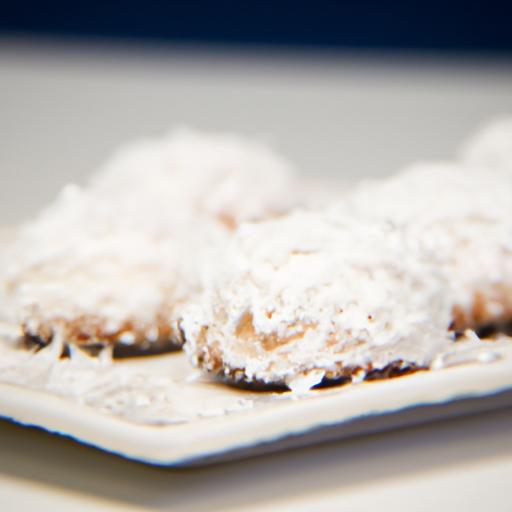

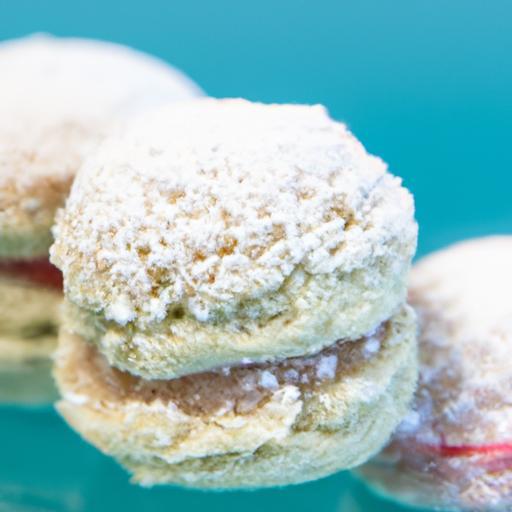
There’s a certain enchantment in the delicate crunch and melt-in-your-mouth softness of a perfectly crafted macaron-an art form that has dazzled dessert lovers for centuries. But what if you could elevate this classic French confection with the tropical essence of coconut? Welcome to the world of coconut macarons, where technique meets flavor in a harmonious dance. In “Crack the Code: the Art of Perfect Coconut Macarons,” we’ll unravel the secrets behind achieving that ideal balance of chewy texture and rich, nutty sweetness.Whether you’re a seasoned baker or a curious foodie, get ready to embark on a flavorful journey that transforms humble ingredients into edible elegance.
Understanding the Science Behind Macaron Texture and How Coconut Transforms It
Crack the Code: The Art of Perfect Coconut Macarons begins with unlocking the delicate balance of texture-the hallmark of a flawless macaron shell. the signature crisp exterior paired with that ethereal, chewy interior hinges on precise chemistry. At its core, macarons rely on the proper development of meringue, achieved by whipping egg whites to stiff peaks. This traps air, forming tiny bubbles that expand and set during baking. Incorporating finely shredded coconut or high-quality coconut flour introduces subtle moisture and tenderizes the shell, creating a luscious coconut nuance without compromising structure.
The fat content and natural sugars in coconut can slightly soften the dry finish, inviting an irresistible chew that balances sweetness and textural complexity. This coconut twist does more than flavor – it enhances mouthfeel, lending a tropical richness that elevates your macarons to a truly indulgent treat.
Selecting the Finest Coconut Ingredients for Maximum Flavor and Authenticity
Choosing the right coconut is essential for authentic flavor and superior texture. Opt for unsweetened, finely shredded toasted coconut or pure coconut flour with no additives to preserve the natural aroma. Freshly grated coconut can work but may introduce too much moisture, risking a compromised shell. If you want an intense coconut fragrance, consider incorporating a splash of pure organic coconut extract. This enhances the tropical notes without altering the batter’s consistency.
mastering the Folding Technique to Achieve Light and Airy Macaron Shells
Folding is where craftsmanship truly shines in creating perfect coconut macarons. Gently fold your almond flour, coconut powder, and sifted powdered sugar into your stiff egg whites. The goal is to achieve a smooth “lava-like” batter that flows slowly off the spatula-too stiff and your macarons will crack; too runny and they’ll spread flat.
To master folding:
- Scoop from the bottom of the bowl with a flexible rubber spatula.
- Turn the bowl steadily as you incorporate the dry ingredients.
- Stop folding as soon as the batter ribbons and blends seamlessly,exhibiting a glossy sheen.
Patience here ensures the air bubbles remain intact, essential for those delicate feet and airy interiors that define your coconut macarons.
Expert Tips for Baking Time and Temperature to Perfect Coconut Macarons Every Time
Precision in baking is non-negotiable. Begin by preheating your oven to 300°F (150°C)-an optimal temperature for gentle, even cooking that preserves color and texture. Before baking, rest piped macarons at room temperature for 30-60 minutes until a tacky “skin” forms; this prevents cracking and promotes even rise.
Bake for 15-18 minutes and resist opening the oven early-this ensures your macarons develop signature feet and a smooth dome. Rotate trays midway, if necessary, for uniform heat distribution. After baking, cool them completely before gently peeling off the parchment-this allows the shells to firm up perfectly.
Prep and Cook Time
- prep Time: 45 minutes (plus 45 minutes resting time)
- Cook time: 15-18 minutes
- Total Time: 1 hour 45 minutes
Yield
Approximately 24 medium-sized macarons (12 sandwiches)
Difficulty Level
Advanced – Patience and precision required for mastering texture and folding technique
Ingredients
- 3 large egg whites, aged at room temperature
- 1/4 cup granulated sugar
- 1 cup powdered sugar, sifted
- 3/4 cup almond flour, finely ground and sifted
- 1/4 cup unsweetened, finely shredded toasted coconut
- Pinch of cream of tartar (optional, stabilizes egg whites)
- 1 tsp pure coconut extract (optional, for enhanced flavor)
- Pinch of fine sea salt
- Buttercream or coconut ganache filling (recipe below)
Instructions
- Prepare your dry mix: In a large bowl, sift together powdered sugar, almond flour, and finely shredded toasted coconut. Set aside.
- Beat egg whites: Using a clean mixer bowl, whisk egg whites and cream of tartar at medium speed until foamy. Gradually add granulated sugar, increasing speed to high. Whip until stiff,glossy peaks form (but not overbeaten).
- Add coconut extract and salt: Fold in a pinch of salt and optional coconut extract gently to preserve volume.
- Incorporate dry ingredients: Using a spatula, fold the dry mixture into the meringue in thirds, carefully scooping from the bottom and turning the bowl. fold until batter flows like lava-thick but fluid.
- Pipe the shells: Transfer batter into a parchment-lined baking tray fitted with a piping bag and round tip. Pipe 1.5-inch circles spaced 1 inch apart.
- Rest the shells: Let piped shells sit at room temperature for 30-60 minutes until a slight skin forms and batter is no longer tacky.
- Bake: Preheat oven to 300°F (150°C). Bake macarons for 15-18 minutes, rotating halfway. The shells should lift easily from parchment and show the characteristic “feet.”
- Cool completely: Remove macarons and cool fully on racks before filling.
- Fill and assemble: Pipe your favorite buttercream or coconut ganache on half the shells and gently sandwich with remaining shells.
Chef’s Notes
- For a gluten-free version, ensure almond flour is finely ground and sifted to avoid graininess.
- Aged egg whites (left in the fridge uncovered overnight) whip better for stable meringue.
- Use a food processor to finely chop toasted coconut for an even texture.
- If macarons crack,this may meen the batter is underfolded or the shells didn’t form a proper skin before baking.
- Make-ahead tip: Macaron shells freeze beautifully; thaw at room temperature before filling.
Serving Suggestions
Present your coconut macarons on a delicate tiered dessert stand for a dazzling look. lightly dust with coconut flakes or edible gold dust for added elegance. Pair with a cup of jasmine tea or chilled tropical fruit punch to complement the subtle coconut notes. For a modern twist, accompany with a coconut-citrus coulis or passion fruit curd.

Nutritional Information (per macaron sandwich)
| Nutrient | Amount |
|---|---|
| Calories | 130 kcal |
| Protein | 3 g |
| Carbohydrates | 18 g |
| Fat | 5 g |
For a deep dive into almond flour alternatives and meringue science, check out our related article on Almond Flour Substitutes for Macarons.
Q&A
Q&A: Crack the Code: The Art of Perfect Coconut Macarons
Q1: What makes coconut macarons different from conventional French macarons?
A: While traditional French macarons are delicate almond-based confections with a crisp shell and a chewy interior, coconut macarons celebrate the tropical, nutty essence of shredded coconut. Instead of almond flour, coconut macarons often rely on sweetened or toasted coconut flakes-the texture is denser, more rustic, yet just as blissfully chewy and sweet. They’re a beautifully simple twist on a beloved classic.
Q2: What is the “code” to achieving the perfect coconut macarons?
A: The secret lies in balance and technique-precisely folding stiffly whipped egg whites into the coconut mixture to maintain airiness, properly toasting the coconut for depth of flavor, and mastering the baking time so the outside crisps gently without drying out the chewy center. It’s about patience and respect for each ingredient’s texture and temper.
Q3: How significant is egg white readiness in this recipe?
A: Crucial! The egg whites are the architects of that coveted lightness. Whipping them to the right peak-stiff but not dry-provides structure and lift.Underwhipped whites lead to dense, flat cookies; overwhipped whites can break down when folded in, losing volume. It’s the subtle art of watching, listening, and feeling the whites as they transform.
Q4: Can you substitute shredded coconut with desiccated or coconut flour?
A: Shredded coconut is a must for texture and moisture balance. Desiccated coconut might be too dry and fine, which can cause a crumbly or overly dense result. Coconut flour is too absorbent and will drastically alter the recipe’s chemistry. Toasting shredded coconut also lends nutty complexity only flakes can provide.
Q5: What are some flavor twists to elevate coconut macarons?
A: Coconut is a versatile base that pairs beautifully with tropical and warm spices. Try infusing the batter with lime zest, a whisper of cardamom or cinnamon, or folding in finely chopped crystallized ginger.A drizzle of dark chocolate or a dollop of passion fruit curd can transform humble macarons into an exotic indulgence.
Q6: How can one tell when coconut macarons are perfectly baked?
A: They should emerge from the oven with edges just golden and slightly crisp,and a soft,chewy center. The aroma will be intoxicatingly nutty and sweet. if the macaron bends rather than cracks when pressed lightly, you’ve nailed it. Overbaking results in dryness, underbaking in collapse.
Q7: What’s the best way to store coconut macarons?
A: Store them in an airtight container at room temperature for up to three days. For longer storage,tightly wrap and freeze them-thaw gently to preserve texture. Avoid refrigeration as it can dry out and toughen these delicate delights.
Q8: Why do coconut macarons sometimes dry out or become too hard, and how can I prevent this?
A: Overbaking or using coconut that’s too dry are the main culprits.Additionally, folding the egg whites too vigorously can deflate the mixture, leading to denser, tougher macarons. Prevention is a combination of careful timing in the oven and gentle mixing technique.
Q9: Are coconut macarons gluten-free?
A: Absolutely! Using coconut instead of traditional wheat-based flours keeps these cookies naturally gluten-free, making them an excellent sweet choice for gluten-sensitive or celiac bakers and guests.Q10: Any final tips for a baker who’s just starting their coconut macaron adventure?
A: Embrace the process with curiosity and kindness. Precision matters, but so does adaptability-ingredients and ovens vary.Toast your coconut until fragrant but not burnt, whip those egg whites like a pro, and trust your senses. Every batch is a step closer to cracking the code and savoring your own perfect coconut macaron masterpiece.
Concluding Remarks
As you close the chapter on mastering the art of perfect coconut macarons, remember that each delicate shell and luscious filling is a testament to patience, precision, and a sprinkle of passion. These tropical delights are more than just treats-they’re edible puzzles waiting to be solved with every fold and flavor. So, equip yourself with your newfound knowledge, embrace the delightful quirks of coconut, and set forth on a journey where science meets sweetness.Your ultimate macaron masterpiece awaits, just a crack away from perfection.