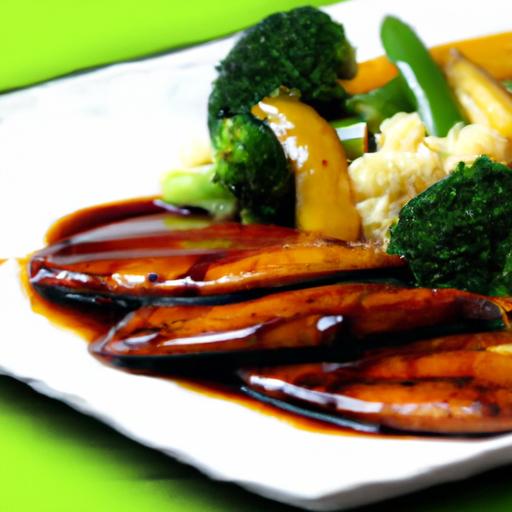

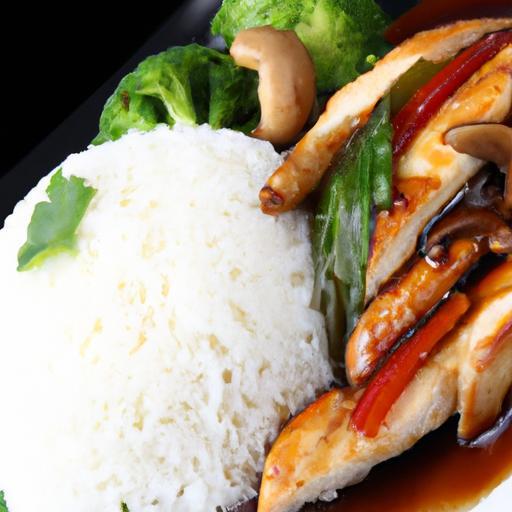
There’s a certain magic in the sizzling dance of tender chicken glazed with a rich, amber sauce-an aroma that beckons you to the table and a flavor that lingers long after the last bite. Chicken teriyaki,with its harmonious blend of sweetness and umami,is more than just a dish; it’s a deliciously sweet tradition that has woven its way through kitchens and cultures alike. From its Japanese roots to the countless variations enjoyed around the world today, savoring chicken teriyaki is an invitation to explore a culinary tale where simple ingredients transform into a memorable experience.Join us as we uncover the history, technique, and irresistible charm behind this beloved classic.
Savoring Chicken Teriyaki reveals not just a dish bursting with sweet and savory harmony, but a culinary tradition steeped in Japan’s rich cultural tapestry. Originating in the Edo period, teriyaki celebrates the art of glazing proteins with a luscious, soy-based sauce that emphasizes balance and simplicity. This recipe connects us to generations who mastered the delicate interplay of soy sauce, mirin, and sugar, transforming humble chicken into a dish worthy of tables everywhere. My first encounter with authentic chicken teriyaki was in a small Tokyo izakaya, where the warm glaze mirrored the city’s vibrant yet comforting spirit. Today,mastering this recipe invites you to bring that same vibrant legacy to your kitchen.
Savoring Chicken Teriyaki: Prep and Cook Time
- Readiness Time: 15 minutes
- cook Time: 20 minutes
- Total Time: 35 minutes
Yield
Serves 4 generous portions
Difficulty Level
Medium – approachable for home cooks, rewarding with practice
Selecting the ideal Ingredients for Authentic Teriyaki Sauce
- 4 boneless, skin-on chicken thighs, about 6 ounces each – perfect for juicy, tender meat
- ½ cup soy sauce (preferably low sodium for better control of saltiness)
- ¼ cup mirin – a sweet rice wine essential for authentic flavor depth
- 2 tablespoons sake – adds a subtle umami boost
- 3 tablespoons granulated sugar – for that delicate sweet contrast
- 1 teaspoon freshly grated ginger – to brighten and balance the glaze
- 2 cloves garlic, minced – optional but highly recommended for warmth
- 1 tablespoon vegetable oil – for sautéing
- 2 scallions, thinly sliced for garnish
- Toasted sesame seeds – for a subtle nutty finish
Mastering the Perfect Balance of Sweet and Savory Flavors: Instructions
- Prepare the teriyaki sauce: In a small saucepan, combine soy sauce, mirin, sake, sugar, ginger, and garlic. Bring to a gentle boil over medium heat, stirring to dissolve sugar.
Reduce heat and simmer until the mixture thickens to a glaze-like consistency, about 10 minutes. The sauce will coat the back of a spoon – this is your signal it’s ready. - Pat chicken dry: Thoroughly dry the chicken thighs with paper towels. This step is crucial to get that irresistible crispy skin and allow the glaze to adhere better.
- Heat the pan: In a large skillet, warm the vegetable oil over medium-high heat. Place chicken thighs skin-side down and cook without moving, about 7 minutes, until the skin is golden and crisp.
- Flip and cook: Turn chicken over and cook an additional 5 minutes or until the internal temperature reaches 165°F (74°C). Transfer chicken to a plate and rest briefly.
- Glaze the chicken: Return pan to medium heat. Pour the teriyaki sauce into the skillet and heat for 1-2 minutes. Add chicken back to the pan and spoon the glaze over each piece, turning to coat thoroughly. Cook for another 2-3 minutes until the sauce becomes sticky and glossy.
- Serve and garnish: Plate the chicken with steamed jasmine rice or sautéed greens. Sprinkle with sliced scallions and toasted sesame seeds for a pop of color and flavor.
Tips and Techniques for Perfectly Glazed and Juicy Chicken
- choose skin-on thighs: The skin renders fat, keeping the chicken moist and developing that signature crispiness essential to the dish’s texture.
- Control heat carefully: Medium-high heat for crisp skin, then lower to cook through without drying. Avoid high heat during glazing to prevent burning the sauce’s delicate sugars.
- Thickening your sauce: If your glaze isn’t thickening enough, whisk in a slurry of cornstarch and water, then simmer briefly to attain the perfect sticky consistency.
- Make ahead: Prepare sauce 1 day in advance to deepen flavors, storing it refrigerated in an airtight container; bring to room temperature before use.
- Experiment with protein: While chicken thighs are ideal, this teriyaki glaze shines on salmon, beef, or tofu, making it versatile for any meal.
Serving Suggestions
Present your chicken teriyaki with a side of vibrant pickled vegetables or an Asian-inspired slaw, letting the crispness contrast the luscious glaze. A bowl of steamed white rice or fluffy brown rice is a classic companion that soaks up extra sauce beautifully. Garnish with fresh scallions and a sprinkle of toasted sesame seeds to elevate both visual appeal and texture. For an authentic touch, serve alongside miso soup or a chilled cucumber salad with rice vinegar dressing, creating a harmonious balance on the plate.

nutritional Facts
| Nutrient | Per Serving |
|---|---|
| Calories | 370 kcal |
| Protein | 30 g |
| Carbohydrates | 12 g |
| Fat | 22 g |
Discover more about traditional Japanese cooking techniques and dishes in our Japanese Cuisine for Home Cooks guide. For an in-depth history and tips on authentic soy sauce production,visit the Soy Sauce Past Archive.
Q&A
Q&A: Savoring Chicken Teriyaki – A Deliciously Sweet Tradition
Q1: What exactly is Chicken Teriyaki?
A1: Chicken Teriyaki is a beloved Japanese dish where tender chicken is grilled or pan-seared and then glazed with a glossy, sweet-savory sauce known as teriyaki. The word “teriyaki” comes from teri meaning “shine” or “luster,” and yaki meaning “grill” or “broil,” perfectly describing the dish’s caramelized, glistening finish.
Q2: Where did Chicken Teriyaki originate?
A2: While teriyaki cooking techniques have roots in Japan, Chicken Teriyaki as commonly known today took shape through cultural exchanges between Japan and Western countries, especially the United States. It marries traditional Japanese flavors with accessibility,becoming a staple in both home kitchens and restaurants worldwide.Q3: What ingredients make Chicken Teriyaki’s sauce so special?
A3: The magic lies in the harmonious blend of soy sauce, mirin (a sweet rice wine), sake, and sugar or honey. This balance creates a sauce that’s savory, sweet, and umami-rich with a tantalizing glossy sheen that clings perfectly to the chicken.
Q4: How is chicken Teriyaki best prepared to achieve that signature taste and texture?
A4: The key is in the sauce-reduction technique. After searing or grilling the chicken to juicy perfection, the teriyaki sauce is simmered down until thick and syrupy, then generously brushed onto the meat.This caramelization locks in flavors and creates a beautifully sticky glaze that’s as appealing to the eye as it is indeed to the palate.Q5: Can Chicken Teriyaki be adapted for different diets or preferences?
A5: Absolutely! though the classic recipe features chicken thighs or breasts, substitutions like tofu, salmon, or even vegetables can carry the teriyaki glaze beautifully. For those watching sodium or sugar intake, lighter versions using low-sodium soy sauce and natural sweeteners can be crafted without sacrificing flavor.
Q6: Why has Chicken Teriyaki endured as a favorite dish across cultures?
A6: Its enduring appeal lies in its simplicity and the comforting fusion of sweet and savory flavors. Chicken Teriyaki feels both exotic and approachable, making it a perfect weeknight dinner or special treat. The vibrant glaze and tender chicken invite repeated indulgence, turning every bite into a party of traditional finesse and worldwide flavor appeal.
Q7: What are some popular ways to serve Chicken Teriyaki?
A7: Traditionally, it’s served alongside steamed white rice and lightly steamed vegetables, allowing the rich sauce to shine. Bento boxes often showcase Chicken Teriyaki paired with pickles, greens, and sushi rice, creating a balanced, Instagram-worthy meal.Some modern twists include teriyaki tacos, bowls with quinoa or noodles, and even glazed skewers at barbecues.Q8: How can someone new to cooking teriyaki sauce make it at home?
A8: Begin with a simple mix of equal parts soy sauce and mirin, add a splash of sake if available, and sweeten with sugar or honey to taste.Heat gently until the sugar dissolves and the sauce thickens slightly. Marinate the chicken briefly, cook it thoroughly, and then brush with the sauce during and after cooking for that irresistible shine.
savoring Chicken Teriyaki means embracing a tradition that delights with every glossy, sticky bite-a sweet siren song of flavor rooted in heritage but inviting endless reinterpretation. Whether in a humble home kitchen or a bustling restaurant, its sweet tradition continues to captivate and comfort, one delicious mouthful at a time.
In Retrospect
As the savory-sweet glaze of chicken teriyaki lingers on the palate, it reminds us that this beloved dish is more than just a meal-it’s a celebration of balance, tradition, and flavor harmony. From its roots in Japanese culinary artistry to the countless variations enjoyed around the world today, chicken teriyaki invites us to savor each bite with appreciation for the craftsmanship behind its irresistible taste. So next time you sit down to enjoy this deliciously sweet tradition, take a moment to honor the rich heritage simmering beneath its glossy surface-and let every morsel tell its delicious story.