
In the vast tapestry of global cuisine, few dishes capture the imagination quite like Chicken Korma-a sumptuous symphony of spices, creaminess, and tradition. More than just a meal, this beloved dish tells a story of centuries-old culinary craftsmanship, where fragrant nuts and aromatic herbs intertwine to create a velvet-smooth experience for the palate. Join us as we embark on a rich journey into flavor,unveiling the secrets behind Chicken Korma’s enduring allure and exploring how this iconic delicacy has evolved from royal kitchens to tables around the world. Whether you’re a seasoned foodie or a curious newcomer, prepare to dive deep into the heart of a recipe that is as rich in history as it is in taste.
Chicken Korma Unveiled: A Rich Journey into Flavor
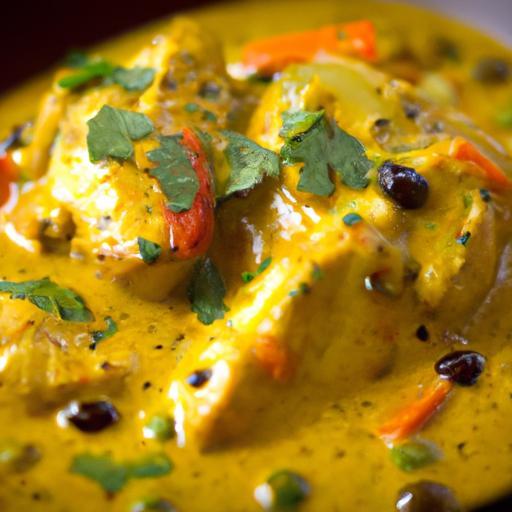
Chicken Korma is a sublime festivity of aromatic spices intertwined with the delicate creaminess of nuts and yogurt, crafting a dish that feels both regal and comforting. Originating from the royal kitchens of Mughal India, this recipe delights by balancing fragrant cardamom, warm cumin, and gentle saffron with a rich, velvety texture. Embracing the essence of Chicken Korma unfolds not just a traditional recipe but a sensorial journey where spices, creaminess, and tender chicken dance together in perfect harmony, inviting you into a timeless culinary tradition.
Prep and Cook Time
- Preparation: 20 minutes
- Marinating: 1 hour (recommended)
- Cooking: 40 minutes
- Total Time: 1 hour 60 minutes
Yield
Serves 4 generous portions
Difficulty Level
Medium – Ideal for cooks ready to explore layered spice profiles and slow-cooked richness
Ingredients
- 1 kg chicken thighs, skinless, cut into bite-sized pieces
- 1 cup plain yogurt, whisked smooth
- 2 large onions, finely sliced
- 3 tbsp ghee or vegetable oil
- 2 tsp ginger-garlic paste
- 1 tsp ground coriander
- 1 tsp ground cumin
- 6 green cardamom pods, slightly crushed
- 4 cloves
- 1 small cinnamon stick
- 1/4 tsp ground nutmeg (freshly grated if possible)
- 1/4 tsp turmeric powder
- 1 tsp Kashmiri red chili powder (for mild heat and vibrant color)
- 1/2 cup raw cashews, soaked and ground into a smooth paste
- 1/2 cup heavy cream (or coconut cream for a dairy-free twist)
- 2 tbsp rose water (optional but authentic floral note)
- Salt to taste
- Fresh cilantro, finely chopped (for garnish)
- Saffron strands, soaked in 2 tbsp warm milk (optional, for aroma and color)
Instructions
- Marinate the chicken: In a large bowl, combine the chicken pieces with the whisked yogurt, 1 tsp ginger-garlic paste, a pinch of salt, and half the turmeric and Kashmiri chili powder. Cover and refrigerate for at least 1 hour to tenderize and infuse.
- Prepare the cashew paste: Soak the cashews in warm water for 30 minutes. Drain and blend with a splash of water to create a smooth, creamy paste. Set aside.
- sauté the onions: Heat ghee in a heavy-bottomed pan over medium heat. Add the sliced onions and cook slowly, stirring frequently until they turn deep golden brown and caramelized (about 15-20 minutes). Patience here builds the base of flavor.
- Add whole spices: Into the caramelized onions, stir in the cardamom pods, cloves, and cinnamon stick. Sauté for 2 minutes until fragrant, releasing their warm, woodsy aromas.
- Incorporate ground spices: Add remaining ginger-garlic paste, ground coriander, cumin, nutmeg, turmeric, and Kashmiri chili powder. Stir well and cook for 3 minutes to toast the spices and deepen flavors.
- Cook the marinated chicken: Add the marinated chicken pieces to the pan, coating each piece thoroughly with the spiced onion mixture. Sauté until the chicken starts to brown and the mixture thickens, about 8 minutes.
- Simmer with cashew paste: Mix in the cashew paste, along with 1 cup of water or chicken stock. Bring to a gentle simmer, cover, and cook on low heat for 25 minutes, stirring occasionally to prevent sticking. The sauce will thicken to a luscious consistency.
- Finish with cream and aroma: Stir in the heavy cream and rose water gently, ensuring the sauce remains silky. Add saffron-infused milk if using, and adjust salt to taste. Cook uncovered for another 5 minutes to marry all flavors beautifully.
- Garnish and serve: Remove whole spices if preferred, sprinkle fresh cilantro over the top, and serve hot.
Tips for Success
- Balance your spices: Using whole spices toasted in the ghee before adding ground ones elevates the aroma and complexity. Don’t rush the caramelizing of onions – it’s a key step for authentic depth.
- Cashew paste thickness: If the korma feels too thick, gradually stir in warm water or stock to reach your preferred consistency while simmering.
- Marinate longer: For richer flavor, marinate the chicken overnight – this allows the yogurt and spices to deeply penetrate the meat.
- Dairy-free variation: Swap heavy cream with coconut cream and skip rose water for a luscious, yet different experience.
- Make-ahead tip: chicken korma tastes even better the next day. Store in the fridge and gently reheat over low heat.
serving Suggestions
Serve your Chicken Korma over fluffy basmati rice or gently buttered naan for soaking up every creamy, spiced drop. A side of lightly sautéed greens or cucumber raita adds refreshing contrast. Finish with a sprinkle of toasted slivered almonds or pomegranate seeds for added texture and vibrant color that makes the plate pop.

| nutrient | Per Serving |
|---|---|
| Calories | 480 kcal |
| Protein | 42 g |
| Carbohydrates | 10 g |
| Fat | 30 g |
For those eager to explore more Indian classics, check out our Butter Chicken recipe-another rich, creamy delight. To deepen your understanding of spices integral to Chicken Korma, the Britannica Indian cuisine overview offers authoritative insights into traditional cooking techniques and spice histories.
Q&A
Q&A: Chicken Korma Unveiled: A Rich Journey into Flavor
Q1: What exactly is Chicken Korma, and why is it considered a rich dish?
A: Chicken Korma is a beloved South Asian curry renowned for its luxurious, creamy texture and aromatic spices.The richness stems from its blend of yogurt, cream, nuts, and slow-cooked spices, creating a harmonious balance of flavors that makes every bite indulgent and comforting.
Q2: Where did Chicken Korma originate, and how has its recipe evolved over time?
A: Korma traces its roots back to the Mughal kitchens of India and Pakistan, where it was crafted as a royal delicacy. Traditionally slow-cooked with fragrant spices and tender meat, contemporary versions have embraced a variety of ingredients and cooking styles-yet the essence of silky, mellow flavor remains central to the dish.
Q3: What are the key ingredients that give Chicken Korma its signature taste?
A: The magic lies in a blend of yogurt or cream, ground nuts like almonds or cashews, aromatic spices such as cardamom, cinnamon, and cloves, and tender chicken marinated to absorb these flavors. Ghee or butter adds a luscious finish, while saffron threads may be added for a subtle floral note.
Q4: How does the cooking technique affect the final flavor of Chicken Korma?
A: Patience is a virtue in korma preparation. Slow simmering allows spices to fully bloom and the proteins to tenderize deeply, resulting in a dish rich with layered flavors. The gentle cooking prevents the creaminess from separating, preserving that signature smooth, velvety sauce.
Q5: Can Chicken Korma be adapted for different dietary preferences?
A: Absolutely! For a vegetarian twist,paneer or vegetables like cauliflower and potatoes can replace chicken. Dairy-free versions swap cream and yogurt with coconut milk or nut-based creams, maintaining the rich texture while catering to diverse diets.
Q6: What dishes or accompaniments best complement Chicken Korma?
A: chicken Korma pairs beautifully with fragrant basmati rice or flaky naan bread, which helps soak up the luscious sauce. A side of lightly spiced vegetable dishes or fresh cucumber raita can offer a refreshing counterbalance to the curry’s richness.
Q7: Why is Chicken Korma often considered a celebratory or special occasion dish?
A: Its luxurious ingredients and intricate preparation elevate Chicken Korma beyond everyday meals. Historically favored by royalty and served during festivals and feasts, it continues to symbolize warmth, hospitality, and indulgence on the dining table.
Q8: What tips would help home cooks master the art of Chicken Korma?
A: Focus on marinating the chicken well to infuse depth; don’t rush the slow cooking process; and toast the spices gently to unlock their fragrance.Balancing the creaminess with the right amount of acidity-frequently enough from yogurt or lemon juice-ensures the dish remains vibrant and not overly heavy.
Q9: how does Chicken Korma reflect the cultural richness of South Asian cuisine?
A: Chicken Korma is a culinary tapestry woven from centuries of trade, tradition, and innovation. Its blend of spices,nuts,and dairy reflects South Asia’s diverse palate and reverence for layered,nuanced flavors-making it a dish that tells a story of cultural synthesis and gastronomic artistry.Q10: Where can readers experience authentic Chicken Korma beyond home cooking?
A: Authentic Chicken Korma can be savored at traditional South Asian restaurants, especially those specializing in Mughlai cuisine. Food festivals, cultural events, and some fine dining Indian establishments also serve elevated versions that pay homage to this classic dish’s rich heritage.
The Way Forward
As we close the chapter on this rich journey into the world of Chicken Korma, it becomes clear that this dish is much more than a comforting meal-it is a vibrant tapestry woven from history, culture, and culinary artistry. Each spoonful carries whispers of ancient kitchens and royal feasts, inviting you to savor not only the delicate blend of spices and creamy textures but also the stories that have traveled across time and continents. Whether you’re a seasoned chef or a curious food lover, embracing Chicken Korma is embracing a tradition of flavor that continues to inspire and delight. So next time you indulge in this sumptuous dish, remember-you’re tasting a legacy, lovingly crafted and endlessly captivating.