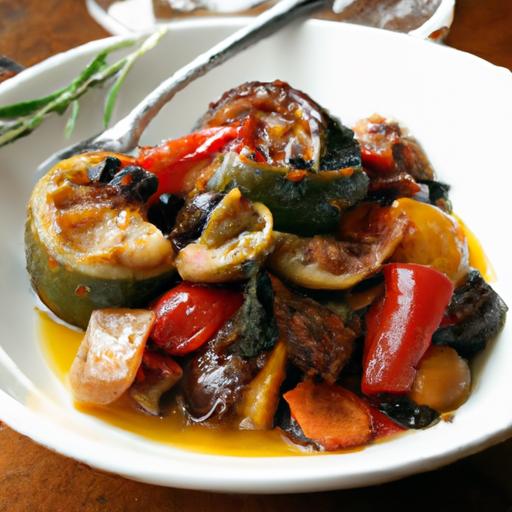

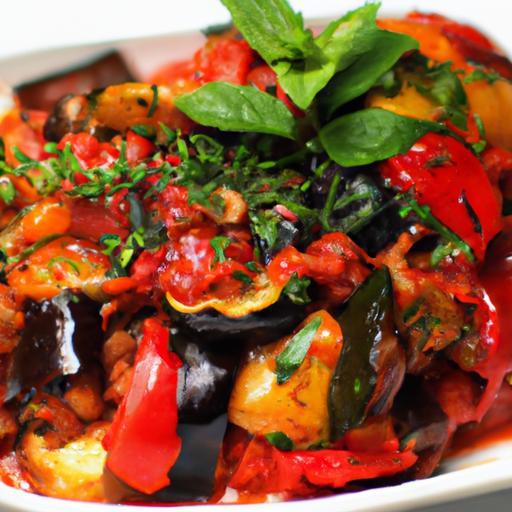
In the sun-soaked kitchens of Sicily, where tradition and flavor intertwine, a vibrant dish has long captivated palates and hearts alike-caponata. This tangy eggplant delight, bursting with sweet, sour, and savory notes, tells a story as rich and layered as the island itself. “Caponata Unveiled: Sicily’s tangy Eggplant Delight Explained” invites you on a sensory journey into the origins, ingredients, and cultural meaning of this beloved Sicilian staple. Whether you’re a seasoned foodie or a curious newcomer, prepare too discover the magic behind caponata’s colorful medley and learn why it remains an enduring symbol of Sicily’s culinary soul.
Caponata Unveiled: Sicily’s Tangy Eggplant Delight stands as one of the moast vibrant expressions of Sicilian culinary artistry. This iconic dish, with roots tracing back to Mediterranean crossroads, embodies a harmony of sweet, sour, and savory flavors that have evolved over centuries. Growing up, I remember my Nonna carefully stewing eggplants with a medley of vegetables, the kitchen filling with an intoxicating aroma that signaled family gatherings and warm conversations. Today, caponata continues to charm food lovers worldwide, its bold flavor profile reflecting Sicily’s rich cultural tapestry.
Prep and Cook time
Preparation: 25 minutes | Cooking: 45 minutes
Yield
Serves 6 as an appetizer or side dish
Difficulty Level
Medium – Requires attentive sautéing and balancing the sweet and sour notes
Key Ingredients that Define Caponata’s Bold Flavor Profile
- 2 large eggplants (about 1.5 lbs), diced into 1-inch cubes
- 1 cup celery, thinly sliced
- 1 medium onion, finely chopped
- 2 medium tomatoes, peeled and chopped or 1 cup canned diced tomatoes
- 1/2 cup green olives, pitted and sliced
- 1/4 cup capers, rinsed
- 1/4 cup pine nuts, toasted
- 3 tbsp red wine vinegar
- 2 tbsp sugar (preferably raw or brown)
- 1/4 cup extra virgin olive oil
- salt and freshly ground black pepper to taste
- Fresh basil leaves for garnish
Step by Step Guide to Crafting the Perfect Caponata at Home
- Prepare the eggplant: Place diced eggplants in a colander, sprinkle generously with salt, and let them sit for 30 minutes to remove bitterness and excess moisture. Rinse well and pat dry with paper towels.
- Sauté the vegetables: In a large skillet, heat 2 tablespoons of olive oil over medium heat. Add chopped onions and celery, cooking until soft and translucent (about 7 minutes). Stir regularly to prevent burning.
- Cook the eggplant: In a separate pan, heat 2 tablespoons olive oil. Add eggplant cubes in batches, sautéing until golden and tender – roughly 8-10 minutes. Remove and drain on paper towels to absorb excess oil.
- Combine ingredients: Return eggplants to the skillet with onions and celery. Add chopped tomatoes, olives, and capers. Stir gently to combine all flavors.
- Balance the sweet and sour: In a small bowl,dissolve sugar into red wine vinegar. Pour the mixture over the vegetables and cook on low heat for 15 minutes, allowing the flavors to meld and the liquid to reduce slightly.
- Add the finishing touches: Toss in toasted pine nuts. Season with salt and pepper to taste. Remove from heat and let cool to room temperature to intensify the flavor.
- Garnish and serve: Transfer to a serving dish and top with fresh basil leaves. Caponata is best served slightly chilled or at room temperature.
Tips for Success
- Eggplant Prep: Salting and resting eggplant prevents sogginess and bitterness; don’t skip this essential step.
- Oil Balance: Use good quality extra virgin olive oil but be cautious not to over-fry the eggplants to keep the dish light.
- Sweet and Sour Harmony: Adjust sugar and vinegar quantities to personal preference; Sicilians love that tangy kick.
- Make Ahead: caponata tastes even better after resting overnight in the fridge, allowing flavors to deepen.
- Variations: Try adding roasted red peppers or chopped pine nuts for texture contrast.
Serving Suggestions and Pairings to Elevate Your Caponata Experience
Caponata Unveiled: Sicily’s Tangy Eggplant Delight shines brightest when paired thoughtfully. serve it atop toasted rustic bread or as a vibrant accompaniment to grilled fish and roasted meats. A dollop of creamy ricotta or burrata softens its robust tanginess, while a glass of chilled Sicilian white wine, such as Grillo or Inzolia, perfectly complements its shining flavors. For an elegant appetizer, arrange caponata in small bowls with a garnish of fresh basil and a drizzle of balsamic glaze.

| Nutrient | Per Serving |
|---|---|
| Calories | 180 kcal |
| Protein | 3 g |
| Carbohydrates | 20 g |
| Fat | 10 g |
Discover more about Sicilian eggplant dishes and explore additional mediterranean flavors in our collection. For an in-depth history of Sicilian cuisine, visit Britannica’s Sicilian Cuisine overview.
Q&A
Q&A: Caponata Unveiled – Sicily’s Tangy Eggplant Delight Explained
Q1: What exactly is Caponata?
A1: Caponata is a vibrant Sicilian dish that marries the humble eggplant with a symphony of tangy, sweet, and savory flavors. Think of it as a chunky vegetable relish, where fried eggplant mingles with tomatoes, celery, olives, capers, and a splash of vinegar – creating a deliciously balanced sweet-and-sour masterpiece.
Q2: Where dose Caponata come from?
A2: This quintessential Sicilian specialty traces its roots deeply into the island’s culinary heritage, influenced by Arab, Spanish, and Mediterranean cultures. Every bite tells a story of sicily’s sun-drenched fields and bustling markets, blending centuries of tradition and vibrant local produce.
Q3: Why is eggplant the star of Caponata?
A3: Eggplant acts like a sponge, soaking up all the bold flavors of the sauce while adding its own creamy, tender texture. Its mild,slightly earthy taste makes it the perfect canvas for the dish’s characteristic sweet-and-sour tang,allowing every ingredient to shine.
Q4: what gives Caponata its unique tangy flavor?
A4: the magic lies in the balance of vinegar and sugar. This combination creates a signature sweet-and-sour profile that distinguishes Caponata from other Mediterranean vegetable dishes. A dash of red wine vinegar or sometimes balsamic delivers that bright zing, perfectly tempered by a subtle sweetness.
Q5: Is Caponata served hot or cold?
A5: One of Caponata’s charms is its versatility. Traditionally, it’s served at room temperature or chilled, making it a refreshing antipasto or a side that complements grilled meats and fish. That said, warm Caponata can also be incredibly comforting, especially draped over crusty bread or pasta.
Q6: Can Caponata be customized?
A6: Absolutely! While classic recipes stick to a core set of ingredients, home cooks often tailor Caponata to their taste or whatever’s fresh at the market. Some add pine nuts, raisins, or bell peppers for an extra pop of flavor, while others might experiment with spicy chilies or fresh herbs like basil and parsley.
Q7: How does Caponata reflect Sicilian culture?
A7: Caponata embodies Sicily’s resourcefulness and love for bold, harmonious flavors. It’s a dish born from a blend of cultural influences-Arab conquests, Norman rule, and Spanish colonization-all of which left their mark on Sicilian cuisine. Its bright, complex taste mirrors the island’s layered history and passion for fresh, local produce.
Q8: What’s the best way to enjoy Caponata?
A8: Scoop it onto a toasted slice of rustic bread, nestle it alongside grilled fish, dollop it atop creamy polenta, or simply savor it as a standalone appetizer. No matter how you enjoy it,Caponata invites you to savor the tangy essence of Sicily in every forkful.
Q9: Can Caponata be made vegan and gluten-free?
A9: Yes! Caponata is naturally vegan and gluten-free, relying on vegetables, vinegar, and seasonings-no animal products or gluten-containing ingredients necessary.it’s a perfect dish for anyone seeking bold, plant-based Mediterranean flavors without compromise.Q10: How can someone new to Caponata start making it at home?
A10: Start with a simple recipe: cube and fry eggplant until golden, sauté celery and onions, then mix in tomatoes, olives, capers, sugar, and vinegar.Simmer gently until flavors marry beautifully. Pro tip: let it cool before tasting-Caponata’s flavors deepen and harmonize when allowed to rest,making it even more irresistible.
To Wrap It Up
as the rich, tangy flavors of caponata linger on the palate, one can’t help but appreciate the centuries of Sicilian tradition folded into every bite. This humble eggplant dish, with its vibrant medley of sweet, sour, and savory notes, is more than just a recipe-it’s a story of island heritage, cultural fusion, and culinary artistry. Whether savored as a side, a salad, or a topping for crusty bread, caponata invites us to explore the heart of Sicily, one tangy, satisfying spoonful at a time. So next time you crave a taste of the Mediterranean, remember: beneath its rustic charm lies a dish that truly captures the spirit of a sun-soaked island and its passion for bold, balanced flavors.