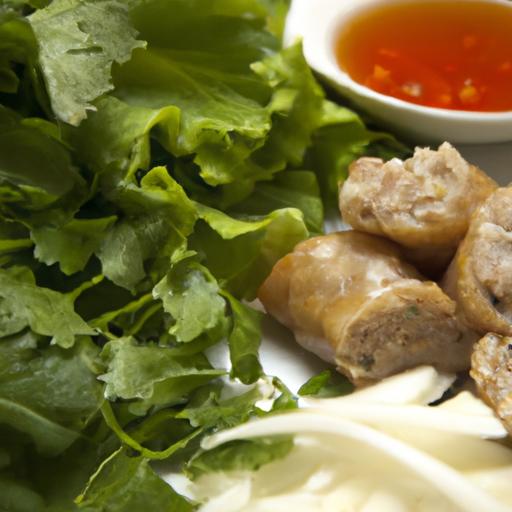

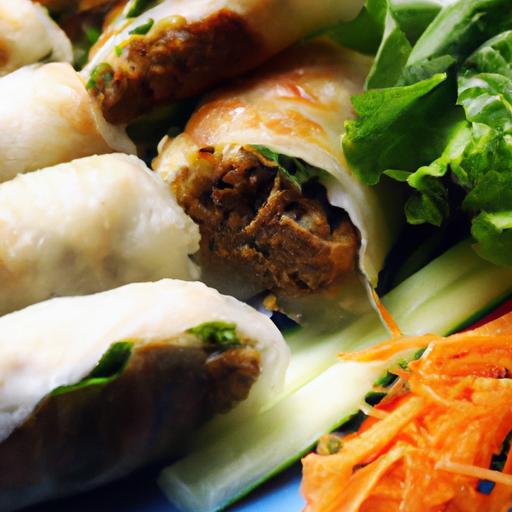
Nestled within the vibrant tapestry of Vietnamese cuisine,Bun Cha Gio emerges as a captivating symphony of flavors and textures that tells a story with every bite. This beloved vermicelli dish, adorned with crispy spring rolls, fresh herbs, and tangy dipping sauce, invites food lovers on a sensory journey through the bustling streets of Vietnam. More than just a meal, bun Cha Gio is a festivity of balance-crunch meets softness, savory blends with sweet and sour, and tradition dances with modern taste. Join us as we explore the origins, ingredients, and cultural meaning behind this flavorful vermicelli delight that continues to enchant palates around the world.
origin and Cultural Significance of Bun Cha Gio in Vietnamese Cuisine
Bun Cha Gio is a vibrant testament to Vietnam’s rich culinary tapestry, where tradition meets fresh, lively flavors. This beloved dish marries crispy spring rolls with vermicelli rice noodles, herbs, and a sweet-savory dipping sauce, capturing a balance of textures and tastes that define Vietnamese cooking. Originating from the bustling streets of hanoi and southern Vietnam, Bun Cha Gio embodies communal dining culture, where family and friends gather around shared plates, weaving stories and savoring each bite.Over time, it has become a symbol of Vietnamese hospitality, street-food ingenuity, and the artful simplicity of fresh ingredients crafted into complex flavor profiles.
Essential Ingredients That Bring Bun cha Gio to Life
- 15-20 sheets rice paper for wrapping the spring rolls
- 300g ground pork (preferably with some fat for juiciness)
- 100g shrimp,peeled and finely chopped
- 1 cup glass noodles (mung bean vermicelli),soaked and chopped
- 2 cups shredded jicama or finely shredded cabbage
- 1 medium carrot,grated
- 3 cloves garlic,minced
- 2 shallots,finely chopped
- 2 tablespoons fish sauce
- 1 teaspoon sugar
- Fresh herbs: mint,cilantro,Thai basil,and lettuce leaves
- Vermicelli noodles (bun): 200g dried rice vermicelli,cooked and drained
- Lime wedges and chopped peanuts for garnish
- Oil for frying (vegetable or peanut oil)
Step-by-Step Guide to Crafting the Perfect Bun cha Gio at Home
- Prepare the filling: in a large bowl,combine ground pork,chopped shrimp,soaked vermicelli noodles,shredded jicama,carrot,garlic,and shallots. Season with fish sauce and sugar. Mix thoroughly until the ingredients are evenly distributed and the mixture feels cohesive.
- Wrap the spring rolls: Moisten a rice paper sheet with warm water until pliable but not soggy. Lay it flat on a clean surface. Place about 2 tablespoons of filling near one edge, then fold in the sides and roll it tightly to encase the filling wholly. Repeat with all sheets.
- Heat oil: Pour enough oil into a deep frying pan to submerge the spring rolls halfway. Heat to medium-high temperature (around 350°F or 175°C). To test, drop a small piece of rice paper-if it sizzles promptly, the oil is ready.
- Fry the rolls: Carefully place each Bun Cha Gio into the hot oil. Fry in batches to avoid overcrowding. Cook for 4-5 minutes,turning occasionally until golden brown and crispy. Remove and drain on paper towels.
- prepare vermicelli noodles: Cook rice vermicelli according to package instructions. Drain and rinse with cold water to cool. Toss gently with a pinch of salt.
- Assemble the dish: place a bed of vermicelli noodles in serving bowls. Top with torn lettuce, fresh herbs, and sliced spring rolls. Accompany with dipping sauce (Nuoc Cham recipe) made of fish sauce, lime juice, sugar, garlic, chili, and water.
- Garnish and serve: sprinkle with crushed peanuts and serve lime wedges on the side for freshness.
Tips for Pairing Bun Cha Gio with Complementary Vietnamese Flavors
Enhancing bun Cha Gio is as much about the harmony of flavors as the dish itself. complement its crispy-savoriness with radiant, herbal sides such as fresh mint, cilantro, and Thai basil. Pair it with tangy nuoc Cham dipping sauce to add layers of umami and citrus brightness.For an authentic experience,serve alongside pickled vegetables like do chua (carrot and daikon pickles),which cut through the richness with vibrant acidity. Consider refreshing green papaya salad or a light chicken broth soup to balance the meal. These combinations echo the Vietnamese beliefs of balancing sweet,sour,salty,bitter,and umami elements harmoniously in every meal.
Prep and Cook Time
- Planning: 30 minutes
- Cooking: 20 minutes
- Total: 50 minutes
yield
Serves 4 generous portions
Difficulty Level
Medium – Suitable for home cooks comfortable with frying and noodle preparation
Chef’s Notes
- For vegetarian options, substitute pork and shrimp with finely chopped mushrooms, tofu, or water chestnuts for crunch.
- Adjust the filling’s moisture by squeezing excess liquid from soaked vermicelli to prevent soggy rolls.
- Rice paper can be tricky; if it tears easily, dip briefly in warm water and let it soften gradually off heat.
- Bun Cha Gio can be prepared ahead, then fried just before serving for optimum crispiness.
- Leftover fried rolls reheat well in a hot oven rather than the microwave to retain crunch.
serving Suggestions
Serve Bun Cha Gio in a large bowl with vermicelli noodles layered underneath. Let guests build their bites with fresh herbs and lettuce wraps. place side dishes of dipping sauce, lime wedges, and crushed peanuts nearby to personalize each mouthful. For a festive presentation, arrange the spring rolls in colorful stacks and scatter edible flowers or sliced chili for contrast. This dish pairs beautifully with a chilled Vietnamese iced coffee or a light jasmine tea, inviting a relaxed, sensory-rich dining experience.
| Nutrient | Per Serving |
|---|---|
| Calories | 450 kcal |
| Protein | 28 g |
| Carbohydrates | 45 g |
| Fat | 18 g |

Q&A
Q&A: Exploring Bun Cha Gio - A flavorful Vietnamese Vermicelli Delight
Q1: What exactly is Bun Cha Gio?
A1: Bun Cha Gio is a vibrant Vietnamese dish that combines fragrant rice vermicelli noodles (bún) with crispy fried spring rolls (chả giò), fresh herbs, and a tangy dipping sauce. The result? A harmonious blend of textures and flavors that dance on your palate-crunchy, savory, fresh, and slightly sweet all in one bowl.
Q2: How did Bun Cha Gio become popular?
A2: Rooted in Vietnamese street food culture, Bun Cha Gio traces its origins to everyday meals enjoyed throughout Vietnam. Over time, its irresistible combination of crispy cha gio with refreshing vermicelli and herbs earned it a beloved status both domestically and internationally.
Q3: What ingredients give Bun Cha gio its signature taste?
A3: The magic lies in balancing the components. Golden-brown cha gio are stuffed with a savory mix of ground pork, mushrooms, and glass noodles, then fried to perfection. Paired with soft vermicelli, crunchy lettuce and herbs like mint and cilantro, pickled carrots and daikon, and finished with a drizzle of nuoc cham (sweet, sour, and salty fish sauce), Bun Cha Gio hits all the flavor notes.
Q4: Is Bun Cha Gio a healthy choice?
A4: While cha gio is deep-fried, the dish balances indulgence with freshness. The abundance of leafy greens, herbs, and pickled vegetables offers vitamins and fiber, while vermicelli provides a light carbohydrate base. Moderation and homemade versions can keep this dish both satisfying and nourishing.
Q5: Can Bun Cha Gio be adapted for vegetarians?
A5: Absolutely! vegetarian cha gio can be crafted using tofu, mushrooms, or a medley of vegetables instead of meat. Just keep the essential crunchy texture and spice medley intact to maintain that authentic flavor profile.Pair with the customary vermicelli and fresh herbs for an equally delightful experience.
Q6: How is Bun Cha Gio typically enjoyed?
A6: Usually served at room temperature, diners grab a bit of vermicelli, a piece of cha gio, fresh herbs, and then dip everything into nuoc cham. The ritual of mixing textures and dipping punctuates the communal and joyful spirit of Vietnamese dining.Q7: Where can one try authentic Bun Cha Gio?
A7: Bun Cha Gio shines at Vietnamese street markets, family-run restaurants, and cafes across Vietnam. For those abroad, many Vietnamese eateries around the world offer this dish, preserving its authentic taste.cooking it at home is a rewarding adventure for food lovers eager to explore Vietnamese cuisine firsthand.Q8: What makes Bun Cha Gio stand out among Vietnamese dishes?
A8: It’s the delightful contrast-crispy spring rolls meet soft vermicelli, fresh herbs enliven savory meat, and tangy sauce ties it all together.This interplay showcases Vietnam’s culinary artistry: simple ingredients crafted into complex, joyous flavors that celebrate freshness and texture.
Discovering Bun Cha Gio is like opening a flavorful love letter from Vietnam’s vibrant food culture-each bite telling a story of tradition, balance, and zest for life. Whether you’re a seasoned foodie or a curious newcomer, this vermicelli delight invites you to savor every crunchy, fresh mouthful.
In Retrospect
as we close the chapter on the vibrant world of Bun Cha Gio, one thing remains clear: this flavorful Vietnamese vermicelli delight is much more than just a meal-it’s an experience that unites textures, tastes, and traditions in every bite. From the crispy spring rolls nestled atop tender noodles to the harmonious dance of fresh herbs and savory dipping sauce, Bun Cha Gio invites you to savor the essence of Vietnam’s culinary artistry. Whether you’re a seasoned foodie or a curious newcomer, embracing this dish offers a delicious gateway to exploring the rich tapestry of Vietnamese flavors that continue to captivate palates around the globe. so, the next time hunger calls, let Bun cha Gio be your flavorful guide on a journey of taste and cultural revelation.