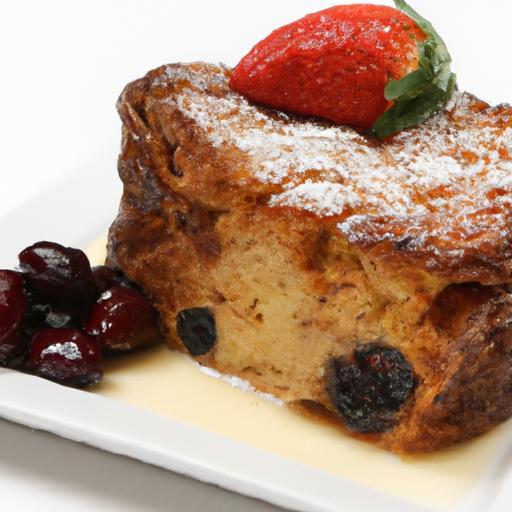

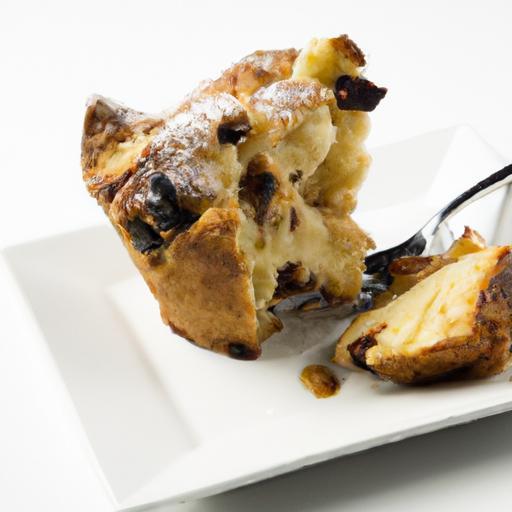
Bread pudding-an unassuming dish born from humble beginnings-has long held a cherished spot in kitchens around the world. Beneath its golden, custardy surface lies a story rich with tradition, ingenuity, and comfort. From frugal origins turning stale bread into a luscious dessert, to the myriad regional twists that celebrate local flavors, bread pudding is much more than a simple treat. In this article, we’ll uncover the captivating history that gives bread pudding its soul and explore the tasty variations that continue to delight palates today. Prepare to take a sweet slice through time and taste, as we delve into the enduring allure of bread pudding.
Bread pudding uncovered reveals centuries of culinary tradition woven through diverse cultures, from humble peasant fare to decadent desserts. Each variation tells a story-tray after tray of custardy, tender bread creating comfort and innovation alike. This timeless dish thrives on simple ingredients and the power of conversion, turning leftover bread into warm, fragrant slices of bliss.
Prep and Cook Time
- Preparation: 15 minutes
- Cooking: 45 minutes
- Total Time: 1 hour
Yield
- Serves 6-8 people
Difficulty Level
- easy to Medium
Ingredients
- 6 cups day-old brioche or challah bread, cut into 1-inch cubes
- 4 large eggs
- 2 cups whole milk
- 1 cup heavy cream
- 3/4 cup granulated sugar
- 1 tablespoon pure vanilla extract
- 1 teaspoon ground cinnamon
- 1/4 teaspoon freshly grated nutmeg
- 1/2 cup golden raisins or dried cranberries
- 2 tablespoons unsalted butter, melted (for greasing)
- Powdered sugar for dusting (optional)
Instructions
- Preheat your oven to 350°F (175°C). Butter a 9×13-inch baking dish generously to prevent sticking and add flavor.
- Place the cubed bread in a large bowl and toss with the raisins or cranberries until evenly distributed.
- In a separate bowl, whisk together the eggs, whole milk, heavy cream, sugar, vanilla extract, cinnamon, and nutmeg until the mixture is smooth and fragrant.
- Pour the custard mixture evenly over the bread cubes, gently pressing the bread down to ensure every piece soaks up the liquid.Let it rest for 15 minutes to fully absorb.
- Transfer the soaked bread to the prepared baking dish, spreading evenly. For a crispy golden topping, dot the surface with a few pats of butter.
- Bake uncovered for 40-45 minutes,or until the top is puffed and golden brown and a knife inserted in the center comes out clean.
- Remove from the oven and let cool slightly before serving to allow the pudding to set perfectly.
Tips for Success
- Choose the right bread: Brioche, challah, or French bread make a buttery, tender pudding.Avoid pre-sliced sandwich bread that can become gummy.
- Don’t skip the soaking time: Allowing the custard to fully saturate the bread ensures a moist, custardy interior.
- enhance flavors: Add a splash of bourbon or rum to the custard for a conventional Southern flair.
- Make ahead: Assemble the pudding and refrigerate overnight before baking – this deepens flavor and streamlines your schedule.
- Texture tweaks: For a firmer pudding, use slightly less milk or add an extra egg.
Serving Suggestions
- Serve warm with a drizzle of warm caramel sauce or a scoop of vanilla ice cream for ultimate indulgence.
- Fresh berries or a sprinkle of toasted pecans add delightful contrast and color.
- For an elegant touch, dust with powdered sugar and garnish with a sprig of fresh mint.
Bread Pudding Uncovered: Nutritional Snapshot
| Nutrient | Per Serving |
|---|---|
| Calories | 320 kcal |
| Protein | 8 g |
| Carbohydrates | 42 g |
| Fat | 12 g |
Discover how variations of bread pudding celebrate local ingredients-from French pain perdu kissed with rich creams to Caribbean versions enlivened with tropical fruits and spices. To explore more about traditional custard bases, visit Serious Eats. For inspiration on complementary desserts, check our article on Classic Vanilla Sauce.

Q&A
Q&A: Bread pudding Uncovered – A Sweet Slice of History and Flavor
Q1: What exactly is bread pudding?
A: At its heart, bread pudding is a humble yet heavenly dessert crafted from the marriage of stale bread, rich custard, and a sprinkle of spices. Baked together until golden and tender, it transforms simple ingredients into a comforting slice of sweet nostalgia.
Q2: Where did bread pudding originate?
A: Bread pudding’s roots stretch back centuries to Europe, where frugal cooks found magical ways to reclaim leftover bread. From the grand kitchens of medieval England to the rustic hearths of France, this dessert was born out of necessity-and turned into a timeless classic.
Q3: How did bread pudding evolve over time?
A: Initially a thrifty means to avoid waste, bread pudding soon became a canvas for indulgence. As sugar and spices became more accessible, recipes blossomed with raisins, nuts, brandy, and exotic flavors, reflecting the culture and cravings of each region it touched.
Q4: What are the typical ingredients in traditional bread pudding?
A: The essentials include day-old bread, eggs, milk or cream, sugar, and warming spices like cinnamon or nutmeg. Often, raisins or other dried fruits join the mix, while some recipes call for a splash of vanilla or a drizzle of caramel sauce to complete the symphony.
Q5: Why does bread pudding have such a comforting reputation?
A: Perhaps it’s the blend of familiar textures-the crisp edges and soft, custardy center-or the warm aromas that fill a kitchen as it bakes. Bread pudding carries the essence of home, of hearth, and of simple pleasures shared with loved ones.
Q6: Can bread pudding be savory and also sweet?
A: Absolutely! While sweet bread pudding is the star, savory versions flourish, featuring cheeses, herbs, vegetables, and even meats. These variations highlight bread pudding’s versatility as both a sweet treat and a hearty meal.
Q7: How can someone experiment with bread pudding recipes?
A: The beauty of bread pudding lies in its adaptability. Swap white bread for brioche or challah for added richness, mix in chocolate chips, fresh fruit, or nuts for texture, or infuse the custard with coffee or citrus zest for unexpected twists. The possibilities are as limitless as your imagination!
Q8: What’s the best way to serve bread pudding?
A: Serve it warm, ideally fresh from the oven, topped with cream, vanilla ice cream, or a drizzle of bourbon sauce.Each bite melts in the mouth,offering a perfect balance between creamy softness and subtle sweetness.
Q9: Why should bread pudding be celebrated in today’s culinary world?
A: In an age of culinary experimentation, bread pudding remains a delicious reminder of resourcefulness and tradition. It bridges the gap between past and present, simple ingredients and complex flavors, proving that sometimes the sweetest stories come from humble beginnings.
In Retrospect
As we close the final chapter on bread pudding’s rich and comforting story,it becomes clear that this humble dessert is much more than just a leftover’s rescue mission. It is a delicious tapestry woven from threads of history, culture, and creativity-a sweet slice that carries centuries of culinary tradition in every bite. Whether savored in a rustic kitchen or elevated on a fine dining plate, bread pudding invites us to appreciate the magic of transformation: turning simple ingredients into a timeless delight. So next time you spot a forgotten loaf,remember the legacy waiting to rise again,warm and fragrant,ready to tell its own flavorful tale.