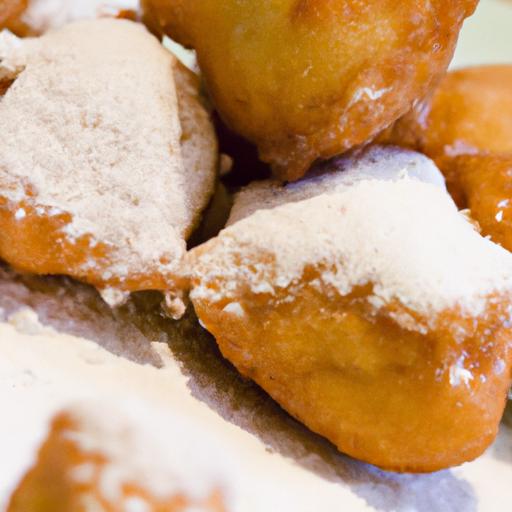

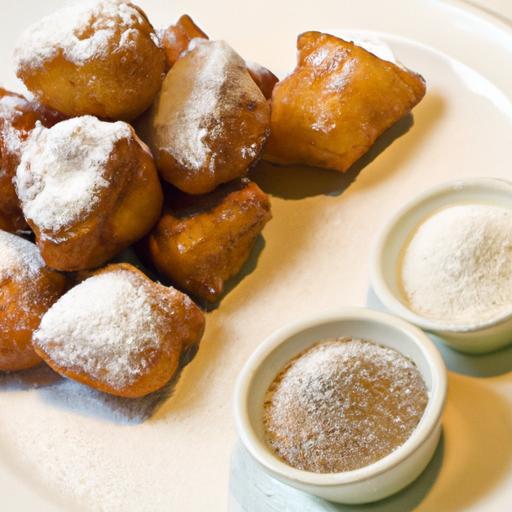
There’s a moment of magic in every bite of a beignet-a golden, pillowy puff dusted in a snowy glaze of powdered sugar that melts effortlessly on the tongue. but beyond their irresistible sweetness and crisp, airy texture lies a rich tapestry of history and culture waiting to be uncovered. From the bustling streets of New Orleans to their French origins, beignets are more than just a delightful treat; they are edible stories steeped in tradition, adaptation, and celebration. join us as we peel back the layers of this iconic confection, revealing the sweet story behind the crisp delight that has captured hearts and taste buds around the world.
Beignets Uncovered: The sweet Story Behind the Crisp Delight is a journey into the heart of New Orleans’ culinary heritage,where every bite tells a tale of French influence,Creole culture,and irresistible charm. These pillowy squares of fried dough, dusted generously with powdered sugar, have become an iconic symbol of the Big Easy’s vibrant street life and festive spirit. Whether enjoyed under the shade of a café’s awning or at a bustling festival, beignets offer more than sweetness-they deliver a connection to the city’s rich traditions and joyous community gatherings.
Prep and Cook Time
- Planning: 20 minutes
- Rising Time: 1 hour
- Cooking: 15 minutes
- Total Time: Approximately 1 hour 35 minutes
Yield
Serves 4-6 (makes about 24 medium-sized beignets)
Difficulty Level
Medium – Requires patience for dough rising and frying technique, but fully achievable for home cooks with careful attention.
Ingredients
- 1 cup warm whole milk (110°F/43°C)
- 2 1/4 teaspoons active dry yeast (1 packet)
- 1/4 cup granulated sugar
- 2 large eggs, room temperature
- 1 teaspoon salt
- 1/2 cup unsalted butter, melted and cooled
- 4 cups all-purpose flour, sifted, plus extra for dusting
- Vegetable oil or peanut oil, for frying (about 4 cups)
- Powdered sugar, for dusting
Instructions
- Activate the yeast: In a small bowl, combine the warm milk with the yeast and 1 tablespoon of the sugar. Let it sit for 5-10 minutes until foamy. This indicates the yeast is alive and ready.
- Mix wet ingredients: In a large mixing bowl, whisk together the eggs, melted butter, remaining sugar, and salt until well combined.
- Combine with yeast mixture: Pour the foamy yeast-milk mixture into the bowl with the eggs and butter. Stir gently.
- Add flour: Gradually incorporate the sifted flour one cup at a time, mixing with a wooden spoon or dough hook attachment on a stand mixer. Once the dough comes together, turn it onto a floured surface.
- Knead the dough: knead for about 6-8 minutes until smooth, elastic, and slightly tacky-not sticky. Add small amounts of flour only if the dough is to sticky; be careful not to over-flour.
- First rise: Place the dough in a lightly greased bowl, cover tightly with plastic wrap or a damp towel, and let it rise in a warm, draft-free spot until doubled in size-about 1 hour.
- Roll and cut: Punch down the dough gently to release air. Turn it onto a floured surface and roll out to 1/4-inch thickness. Use a sharp knife or pizza cutter to square the dough into 3-inch squares for classic beignet shape.
- Heat your oil: In a heavy-bottomed pot or deep fryer, heat the oil to 350°F (175°C). Use a candy or deep-fry thermometer for accuracy to ensure golden, crispy results without greasy interiors.
- Fry in batches: Carefully drop 3-4 beignets into the hot oil. Fry,turning once,until both sides are puffed and golden brown-about 2 minutes per side.
- Drain and cool: Remove beignets with a slotted spoon and place on a wire rack set over paper towels to drain excess oil.
- Dust generously: Once slightly cooled but still warm, dust beignets liberally with powdered sugar for that iconic snowy finish.
- Serve instantly: Beignets are best enjoyed fresh and warm, paired with your favorite coffee or chicory blend.
Tips for Success
- Ensure warm milk temperature: Too hot will kill the yeast; too cold won’t activate it. Perfect warmth is key for proper fermentation and dough rise.
- Don’t rush the rise: Flavor and texture depend on a good fermentation period. You can also rise dough overnight in the fridge for a deeper taste.
- Fry at consistent temperature: Too hot means burnt outsides and raw insides; too cool leads to greasy beignets.
- Use versatile flours: While all-purpose flour works great, bread flour can add chewiness for a different texture.
- Make ahead: Dough can be refrigerated after rising. Roll and cut before frying the next day for fresh, last-minute treats.
Serving Suggestions to Elevate Your Beignet Experience
Present these fluffy treats dusted with powdered sugar alongside a steaming cup of southern-style coffee or a bold chicory brew. For an indulgent twist, offer bowls of fresh fruit compote or a drizzle of warm caramel or chocolate sauce. A sprinkle of cinnamon can add warmth, while a side of whipped cream invokes a café-style experience. Whether shared at a brunch table or enjoyed on a leisurely afternoon, the crisp delight of beignets is elevated by simple, yet thoughtful accompaniments that enhance their rich, airy texture and sweet simplicity.
| Nutrient | Per Serving (3 Beignets) |
|---|---|
| Calories | 320 |
| Protein | 6g |
| Carbohydrates | 45g |
| Fat | 11g |

For further details on mastering deep-fried dough treats, see our Southern Fried Desserts Guide. To dive deeper into New Orleans’ cultural food heritage, explore Southern Living’s Beignets History.
Q&A
Q&A: Beignets Uncovered – The Sweet Story Behind the Crisp Delight
Q1: what exactly is a beignet?
A1: at its core, a beignet is a pillowy square of fried dough, dusted generously with powdered sugar, presenting a crispy exterior that gives way to a soft, airy center. Think of it as a love letter from French cuisine, wrapped in sweetness and served fresh and hot.
Q2: Where do beignets come from?
A2: While their roots trace back to French culinary traditions, beignets have made a celebrated home in New Orleans.descended from the French “fritter,” these treats became a beloved part of Creole culture, frequently enough enjoyed alongside a strong cup of chicory coffee.
Q3: How did beignets become a New Orleans icon?
A3: When French settlers arrived in louisiana, they brought their recipes and techniques. Over time, local ingredients and cultural influences blended to give birth to the New Orleans beignet - a deep-fried dough square that captured the city’s spirited mix of flavors and festivities. Cafés like Café du Monde elevated this humble pastry to legendary status.
Q4: What makes a beignet different from other fried pastries?
A4: Unlike doughnuts or simple fritters, beignets are uniquely light and airy inside while sporting a satisfyingly crisp crust.Their signature squared shape and generous dusting of powdered sugar make them instantly recognizable. Plus,their dough often includes yeast,providing that quintessential puffiness and subtle tang.
Q5: Are beignets always sweet?
A5: Traditionally, beignets tiptoe on the sweet side, adorned with sugary snowfalls of powdered sugar. Though, variations exist – some savory versions include cheese, herbs, or even seafood in regional adaptations. But when most people think of beignets,they’re imagining the sweet,melty,sugar-coated wonder.
Q6: Can beignets be made at home?
A6: Absolutely! While the process requires patience-especially waiting for the yeast dough to rise-the result is deeply rewarding. With flour, yeast, sugar, and a deep fryer or heavy pot of oil, home chefs can recreate that golden, crispy magic right in their own kitchens.Q7: What is the best way to enjoy beignets?
A7: fresh and warm is the beignet’s calling card. Served best on a plate piled high, dusted in snow-like powdered sugar, and paired with a steaming cup of coffee (extra points for chicory), this is a moment to savor slowly, letting the crispness melt into sweet, ethereal clouds of flavor.
Q8: Why have beignets endured through the centuries?
A8: Beignets are more than just a treat-they are a cultural symbol, a piece of history, and a joyful experience. Their irresistible combination of textures and flavors speaks universally to a longing for comfort and celebration. They invite sharing, laughter, and a pause to indulge in simple pleasures.
Q9: What’s something surprising about beignets that most people don’t know?
A9: Many people don’t realize that beignets share a distant cousin relationship with Venetian “frittelle” and even with doughnuts! Their evolution is a fascinating journey through migration,adaptation,and cultural fusion,illustrating how food can travel and transform.
Q10: Where can one find the best beignets if they can’t make them at home?
A10: the heart of beignet bliss remains New Orleans,where iconic spots like Café du Monde serve beignets 24/7. But thanks to the pastry’s popularity, artisan bakeries and cafés around the world have adopted the recipe, each adding a unique spin. Still, a trip to the Crescent City promises the ultimate authentic experience.
Beignets, with their crisp edges and cloudlike centers, are more than a dessert-they’re a sweet story of history, culture, and simple indulgence. Whether savored under the glow of a Louisiana sunset or made fresh in your kitchen, their charm is timeless.
To conclude
As we close the chapter on the enchanting tale of beignets, one thing remains clear: these golden, pillowy treats are more than just a sweet indulgence-they are edible history. From their humble beginnings to their status as a beloved symbol of New Orleans culture, beignets invite us to savor not only their crisp, powdered-sugar-dusted perfection but also the rich stories they carry with every bite. So next time you tuck into this delightful pastry, remember-you’re tasting a slice of tradition, a sprinkle of heritage, and a pinch of culinary magic all rolled into one.