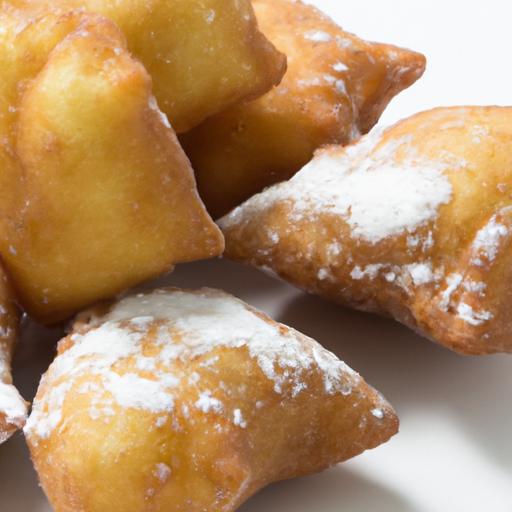

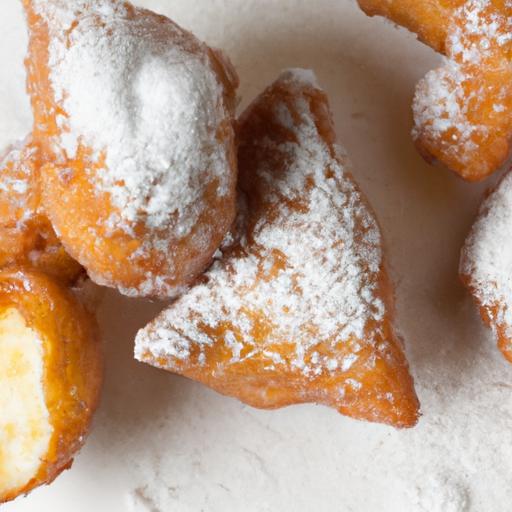
In teh heart of New orleans’ bustling streets and lively cafés, a little golden treasure waits to delight taste buds with every bite: the beignet. these pillowy pockets of fried dough, dusted generously with powdered sugar, are more than just a sweet treat-they’re a appetizing slice of history, culture, and tradition all rolled into one. But how did this iconic pastry come to captivate the palates of countless sweet lovers around the world? “Beignets Uncovered: The Sweet Story Behind Each Puff” peels back the layers of flour and sugar to reveal the captivating origins, secret recipes, and cultural significance wrapped up in each fluffy bite. join us as we journey beyond the kitchen to explore the rich story that makes beignets a beloved culinary symbol, puff by sweet, irresistible puff.
Beignets Uncovered: The Sweet Story Behind each puff
Beignets uncovered carry a delicious narrative steeped in history, culture, and culinary artistry. These pillowy, golden puffs are more than just a sweet treat-they embody a rich tapestry of French and Creole traditions that have traveled across continents to charm New Orleans’ streets and now your kitchen. The magic of this recipe lies in the perfect interplay of simple, quality ingredients and meticulous technique, transforming humble dough into an irresistible cloud of indulgence.
Prep and Cook Time
- Preparation Time: 20 minutes (plus 1-2 hours rising)
- Cook Time: 5-7 minutes per batch
- Total Time: Approximately 1 hour 30 minutes (including resting)
Yield
Approximately 12-15 beignets, serving 4-6 people
Difficulty Level
Medium – requires attention to dough resting and frying temperatures
ingredients
- 1 cup warm water (about 110°F/43°C)
- 2 ¼ teaspoons active dry yeast (1 packet)
- ¼ cup granulated sugar
- 1 large egg, beaten
- ½ cup evaporated milk, room temperature
- 3 ½ cups all-purpose flour, sifted, plus extra for dusting
- ½ teaspoon salt
- 1 teaspoon vanilla extract (optional, for subtle warmth)
- 2 tablespoons unsalted butter, melted
- Vegetable oil or peanut oil, for deep frying (about 4 cups)
- Powdered sugar, generously for dusting
Instructions
- Activate the Yeast: In a large bowl, combine warm water, yeast, and 1 tablespoon of granulated sugar. Stir gently and let it bloom for 5-7 minutes until foamy.
- Mix Wet Ingredients: Add the remaining sugar, beaten egg, evaporated milk, melted butter, and vanilla extract if using. Stir until evenly incorporated.
- Add Dry Ingredients: Gradually sift in the flour and salt, mixing with a wooden spoon or dough hook until a soft, sticky dough forms.
- Knead and Rise: Transfer dough to a lightly floured surface. Knead gently for 5 minutes until smooth and elastic. Place in a greased bowl, cover with a damp cloth, and let rise in a warm spot until doubled, about 1 to 2 hours.
- Shape the Dough: Gently punch down the risen dough and roll it out to about ¼-inch thickness on a floured surface. Cut into 2½-inch squares or rectangles using a sharp knife or pizza cutter.
- Heat the Oil: In a deep fryer or heavy pot, heat oil to 350°F (175°C). Use a candy or deep-fry thermometer to maintain accurate temperature, crucial for perfect puffiness and avoiding greasiness.
- Fry the Beignets: Carefully drop 2-3 pieces into hot oil. Fry in batches, turning them as they puff and turn golden-about 2-3 minutes per side. Use a slotted spoon to remove and drain on paper towels.
- Dust and Serve: While still warm, generously dust each beignet with powdered sugar, ensuring each bite carries that iconic melt-in-the-mouth sweetness.
Chef’s Notes: Tips for Success
- Yeast Activation: Make sure your water isn’t too hot-this kills the yeast and prevents rising. Aim for a soothing warmth, like baby’s bathwater.
- Rest Time: Patience is key. Letting the dough rise fully develops flavor and texture, resulting in those signature airy pockets.
- Oil Temperature: Keep the oil consistently at 350°F. Too hot, and the beignets burn outside but stay raw inside; too cool, and they soak up oil, becoming greasy.
- Flavor Twists: Add citrus zest, cinnamon, or a splash of rum to the dough for a subtle fragrant profile.
- Make-Ahead: The dough can be refrigerated overnight after the first rise. Let it come to room temperature before shaping and frying.
Serving Suggestions
For a true New Orleans feel, serve your beignets hot and paper-dusted, alongside a robust café au lait or chicory coffee. Elevate the experience by offering a side of homemade fruit preserves, warm chocolate sauce, or a drizzle of honey for dipping.
Garnish ideas:
- A sprinkle of ground cinnamon mixed with powdered sugar
- Fresh berries or a dusting of edible flower petals for a festive touch
- A light dusting of cocoa powder for a chocolatey hint
Plate the beignets in rustic stacks or laid out on a vintage enamel plate to highlight their golden texture and inviting shape.
| Nutrient | Per Serving (2 beignets) |
|---|---|
| Calories | 320 kcal |
| Protein | 6 g |
| Carbohydrates | 42 g |
| Fat | 13 g |
For a deeper dive into fried delicacies and authentic Creole desserts, explore our Authentic Creole Desserts collection.
Discover more about the fascinating history of beignets and their French roots at French Cooking Academy, a trusted culinary resource for heritage recipes and techniques.

Q&A
Q&A: Beignets Uncovered - The Sweet Story Behind Each Puff
Q1: What exactly is a beignet?
A1: Imagine a pillow of golden, fried dough that’s light, airy, and dusted generously with powdered sugar-the beignet is exactly that. Originating from French cuisine, it’s a delicious deep-fried pastry that’s crispy on the outside and irresistibly fluffy on the inside, offering a sweet, melt-in-your-mouth experience with every bite.
Q2: Were do beignets come from?
A2: The beignet’s roots trace back to France, where the word itself means “fritter.” Though, their story truly blossomed in New Orleans, Louisiana, where French Creole culture embraced and transformed the treat into a beloved Southern staple. Today, beignets are synonymous with the Big Easy, served steaming hot and smothered with powdered sugar.Q3: What’s the secret behind that perfect puff?
A3: the magic lies in both technique and ingredients. Yeast or baking powder helps the dough rise, creating airy pockets inside.When dropped into hot oil, the dough’s exterior rapidly crisps while the interior puffs up, trapping steam and giving beignets their iconic lightness. Timing is crucial-too brief and they’re doughy, too long and they turn dense or greasy.Q4: How have beignets evolved over time?
A4: While traditional beignets are simple squares enveloped in powdered sugar, creative variations have emerged worldwide. Some are filled with fruit jams,chocolate,or even savory cheeses. Chefs experiment with gluten-free flours, spices like cinnamon or nutmeg, and even incorporate local flavors to reinvent the humble beignet for modern palettes.
Q5: Why do beignets hold such cultural significance in New Orleans?
A5: Beyond being a tasty treat, beignets are a symbol of New Orleans’ rich history-a melding of French, Creole, and Southern influences. They represent the city’s love for communal dining, lively cafés, and the slow savoring of life’s sweet moments.Places like Café du Monde have made beignets a ritual, drawing locals and visitors alike to partake in this enduring tradition.Q6: Can I make authentic beignets at home?
A6: Absolutely! With patience and practice, you can capture the essence of a perfect beignet. Key tips include using the right flour, allowing the dough enough time to rise, maintaining the oil at the ideal temperature (around 350°F/175°C), and letting the excess sugar coat the warm pastries generously.The reward? A batch of warm,airy puffs that fill your kitchen with irresistible aroma and joy.
Q7: What’s the best way to enjoy a beignet?
A7: Fresh and warm is best-straight from the fryer, dusted liberally in powdered sugar. Pair it with a strong cup of chicory coffee for that quintessential New Orleans experience. Whether as a breakfast treat, an afternoon pick-me-up, or a decadent dessert, beignets invite you to pause, indulge, and savor a little bit of sweet history in every puff.
Key Takeaways
From the bustling streets of New Orleans to cozy cafés around the world, the humble beignet carries with it a story as rich and layered as its pillowy texture.Each sweet, golden puff is more than just a delightful treat-it’s a bite-sized piece of history, culture, and tradition dusted with powdered sugar and steeped in centuries of culinary artistry. As you savor the next beignet, remember that you’re not just enjoying a pastry; you’re partaking in a timeless tale of innovation, party, and the simple joy that a perfect puff can bring. So next time the craving calls, let the beignet’s sweet story unfold on your palate, one delectable bite at a time.