

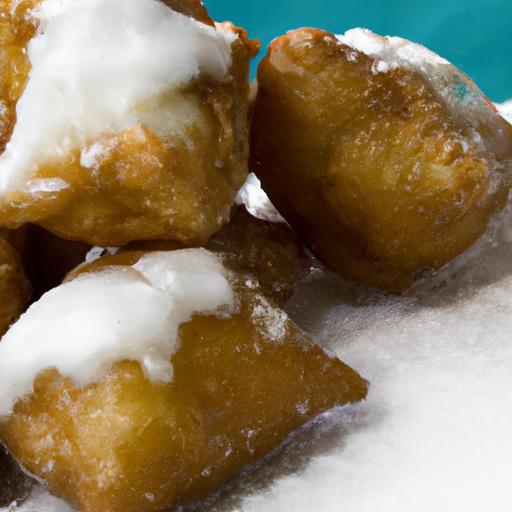
In the heart of New Orleans,where lively jazz fills the air and streets pulse with vibrant culture,one culinary treasure has captivated locals and visitors alike for centuries: the beignet. These pillowy, golden squares dusted generously with powdered sugar are more than just a sweet treat-they are a delicious thread woven into the rich tapestry of the city’s history.From humble beginnings to becoming an iconic symbol of New Orleans’ unique blend of French, creole, and American influences, beignets tell a story of tradition, resilience, and indulgence. Join us as we uncover the sweet history of this beloved delight and explore how beignets transcended mere pastry to embody the spirit of the Crescent City.
Beignets Uncovered: The Sweet History of New Orleans’ Delight begins with a tale steeped in centuries of rich culinary tradition.These pillowy, golden-fried squares dusted with powdered sugar have journeyed from the streets of 18th-century France to becoming an iconic symbol of New Orleans’ vibrant food culture. More than just a pastry, beignets carry stories of french colonists, Creole creativity, and the joie de vivre that defines the Crescent City.
Origins of Beignets and Their Journey to New Orleans
beignets originated in france during the Renaissance era,where they were crafted as simple deep-fried dough treats enjoyed during festive occasions. french settlers brought the recipe to Louisiana in the 1700s,where locals adapted it to regional ingredients and tastes. The now-famous Café du Monde popularized the treat in the 20th century, engraving beignets into New Orleans’ culinary identity. Their irresistible texture-a crisp exterior that gives way to a soft, airy interior-reflects a brilliant balance of technique and tradition that has captivated locals and visitors alike.
The Secret Ingredients Behind the Perfect Beignet
Achieving the quintessential beignet requires more than just flour and oil. The secret lies in a few key ingredients and methods that ensure lightness and flavor:
- High-quality all-purpose flour (sifted for aeration)
- Active dry yeast to create that characteristic fluffy rise
- Warm whole milk for moisture and tenderness
- Granulated sugar, balanced just right to enhance sweetness without overwhelming
- Fresh large eggs to bind and enrich the dough
- Unsalted butter, melted, for subtle richness
- A pinch of salt to balance the flavors
- Powdered sugar for the signature, snow-like dusting
Prep and Cook Time
- Readiness Time: 30 minutes (plus 2 hours for dough rising)
- Cooking Time: 10 minutes per batch
- Total Time: Approximately 2 hours 40 minutes
Yield
Serves 6-8 hungry guests, yielding about 18 to 24 beignets depending on size.
Difficulty Level
Medium: Requires patience with dough rising and frying, but results are well worth the effort.
Tips for Making Classic Beignets at Home
- Activate the yeast carefully: Use warm milk (not hot!) to encourage yeast activity without killing it. Let it sit until foamy, about 5-10 minutes.
- Mix and knead the dough: Incorporate ingredients until the dough is smooth but slightly sticky; avoid over-kneading to keep the beignets tender.
- Allow ample rising time: Patience is key. A slow rise at a warm spot produces a light,airy texture.
- Cut dough into uniform squares: This ensures even frying and consistent puffiness.
- Maintain oil temperature at 350°F (175°C): Use a kitchen thermometer to avoid greasy or undercooked beignets.
- Fry in small batches: Prevents oil temperature drops and overcrowding.
- Drain on paper towels immediately: Keeps beignets crisp and free of excess oil.
- Dust liberally with powdered sugar: Always dust after frying, never before.
Ingredients
- 1 cup warm whole milk (about 110°F / 43°C)
- 1 packet (2¼ tsp) active dry yeast
- 1/4 cup granulated sugar
- 2 large eggs, lightly beaten
- 1/2 cup unsalted butter, melted and cooled slightly
- 4 cups all-purpose flour, sifted
- 1 tsp salt
- Vegetable oil, for deep frying
- Powdered sugar, for dusting
Instructions
- Activate the yeast: In a large mixing bowl, whisk warm milk and yeast. Allow to proof until foamy (5-10 minutes).
- Combine ingredients: Add sugar, eggs, and melted butter to the yeast mixture. Stir gently to combine.
- Add dry ingredients: Gradually fold in sifted flour and salt, mixing until the dough begins to pull away from the bowl.
- Knead the dough: Turn onto a lightly floured surface and knead for 6-8 minutes until soft and elastic.Place in a lightly oiled bowl, cover with a clean towel, and let rise in a warm spot until doubled in size-approximately 1.5 to 2 hours.
- Prepare for frying: Once risen, punch down the dough and roll it out on a floured surface to about 1/4-inch thickness. Cut into 3-inch squares with a sharp knife or pizza cutter.
- Heat oil: fill a deep skillet or pot with about 2 inches of vegetable oil. Heat to 350°F (175°C), monitoring with a candy or deep-fry thermometer.
- Fry beignets: Drop a few squares carefully into hot oil, frying 2-3 minutes per side until puffed and golden brown.
- drain and dust: Remove with a slotted spoon, drain on paper towels, then immediately dust generously with powdered sugar.
- Serve warm: Enjoy fresh for the best flaky texture and sweet flavor.
Chef’s Notes & Tips for Success
- for a richer flavor, substitute half of the milk with half-and-half or cream.
- To save time, make the dough the night before; refrigerate after the first rise, then allow it to come to room temperature before cutting and frying.
- Use superfine powdered sugar for a lighter dusting that melts quickly into the beignets.
- experiment with fillings like fruit jams or chocolate for a modern twist, but always fry plain first to master the base recipe.
- If beignets absorb too much oil, check oil temperature and dough thickness; too cool oil or thick dough traps excess fat.
Serving Suggestions
Serve beignets hot, piled high on a rustic plate with vibrant garnishes like fresh berries or mint leaves for color contrast. Pair with a steaming cup of chicory coffee or cafe au lait to enhance authenticity. A drizzle of honey or homemade berry compote can add complementary sweetness and freshness that balances the richness.For festive occasions,accompany your beignet platter with a dusting of edible gold leaf or colorful sprinkles to dazzle guests visually.

| Nutritional Facts (per 3 beignets) | Amount |
|---|---|
| Calories | 340 kcal |
| Protein | 6 g |
| Carbohydrates | 42 g |
| Fat | 15 g |
For more insights into New Orleans’ iconic desserts, explore our detailed guide on King cake: Mardi Gras’ Sweet Crown jewel. To deepen your historical knowlege, visit the History Channel’s article on Beignets.
Q&A
Q&A: Beignets Uncovered – the Sweet History of New Orleans’ Delight
Q1: What exactly is a beignet?
A1: A beignet is a pillowy, deep-fried pastry dusted generously with powdered sugar. Think of it as a doughnut’s elegant French cousin-light,airy,and irresistibly sweet. It’s a classic New Orleans treat that melts in your mouth with every bite.
Q2: where did beignets originally come from?
A2: Beignets have their roots in France, dating back to the 18th century. The French brought this beloved fried dough pastry to Louisiana, where it evolved into the iconic New Orleans version we cherish today.It’s a delicious legacy of French culinary influence in America.Q3: How did beignets become synonymous with New Orleans?
A3: After French settlers arrived in Louisiana, they introduced beignets to the region’s vibrant food scene. Over time, New Orleans embraced and adapted the beignet, incorporating local ingredients and traditions.The city’s cafes,especially the famed Café du Monde,helped solidify the beignet as a cultural and culinary symbol of New Orleans.
Q4: What makes New Orleans beignets different from other fried pastries?
A4: New Orleans beignets are unique in their square shape and decadent dusting of powdered sugar-so much so that the sugar cloud becomes part of the experience.their dough is lighter and airier than typical doughnuts, and they’re served hot and fresh, creating that perfect blend of crisp exterior and soft interior.
Q5: Are beignets only enjoyed as a sweet treat?
A5: While beignets are traditionally sweet,dusted with powdered sugar,New Orleans chefs have experimented with savory versions too-incorporating cheese,herbs,or even seafood-inspired fillings. But globally,it’s the sweet beignets dusted like a snowstorm that steal the show.
Q6: How has the cultural significance of beignets evolved over time in New Orleans?
A6: Beyond being a breakfast or dessert item, beignets have become a symbol of New Orleans’ rich history and multicultural heritage. they represent resilience,celebration,and the city’s joie de vivre (joy of living). Whether enjoyed at a bustling café or a quiet street corner, beignets connect locals and visitors through a shared taste of tradition.
Q7: Can you make authentic New Orleans beignets at home?
A7: Absolutely! While perfecting beignets requires patience-particularly in mastering the dough’s texture and the oil’s temperature-it’s a rewarding adventure. Homemade beignets bring a touch of New Orleans magic into your kitchen, complete with that snowy blanket of powdered sugar.
Q8: what’s the best way to enjoy a beignet in New Orleans?
A8: The quintessential New Orleans experience is to savor beignets fresh and hot from a café table, paired with a chicory coffee. Whether it’s during a lively Mardi Gras festivity or a quiet morning stroll through the French Quarter, the warmth of a beignet in hand feels like a sweet embrace from the city itself.
Q9: Are beignets celebrated beyond New Orleans?
A9: Yes! Inspired by New Orleans’ cultural export, beignets have found fans nationwide and internationally. From upscale restaurants to food trucks, the beignet’s charm and history continue to captivate dessert lovers far beyond the Crescent City.
Q10: Why do beignets hold such a special place in the hearts of New Orleanians?
A10: Beignets are more than dough and sugar-they’re a delicious thread woven through the city’s festive spirit, history, and warmth. Each bite tells a story of French influence, community gatherings, and the simple joy of sharing something sweet. In New Orleans, beignets aren’t just food-they’re a beloved experience.
The Conclusion
As the last sprinkle of powdered sugar settles softly on your fingers, the story of the beignet lingers-a sweet testament to New Orleans’ rich tapestry of culture, history, and flavor. More than just a fried dough treat, beignets embody a legacy of French influence, Creole ingenuity, and community celebration passed down through generations. Every bite is a little bite of the city itself: vibrant, warm, and irresistibly inviting. So next time you find yourself wandering the streets of the Big Easy, let the aroma of these golden pillows guide you to a moment of delicious connection, where history and indulgence come together in perfect harmony. After all, uncovering the beignet is not just about savoring a dessert-it’s about tasting the soul of New Orleans.