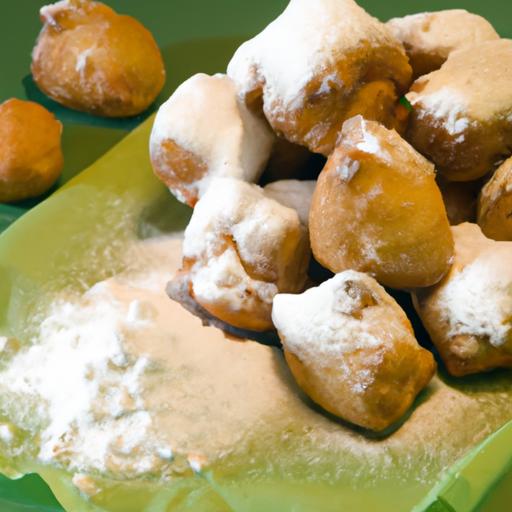

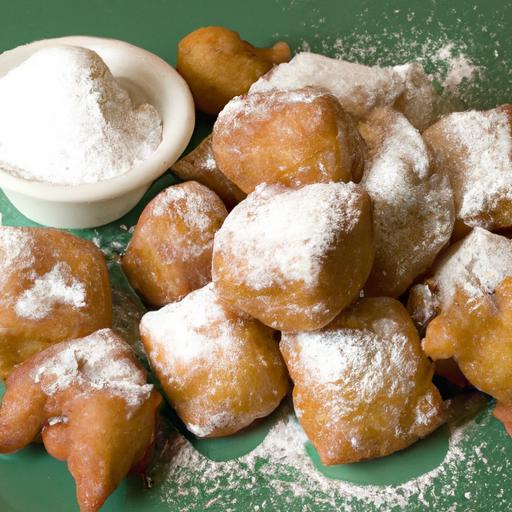
Golden, pillowy pillows dusted in snowy sugar-beignets are more than just a delightful treat; they are a appetizing bridge between history and culture. From the bustling cafés of New Orleans to the cobblestone streets of France, these deep-fried pastries carry centuries of stories and flavors waiting to be uncovered. In this article, we journey beyond the simple sweetness to explore the rich origins of beignets, their evolution across continents, and, of course, reveal foolproof recipes that bring their irresistible magic right into your kitchen.Get ready to dive into the world of beignets, where every bite tells a story and every recipe is a little piece of edible history.
Beignets Uncovered: Sweet History and Perfect Recipes Inside invites you on an irresistible journey into the world of these pillowy pillows of delight. Born from a rich cultural tapestry,beignets carry centuries of tradition from the cobbled streets of France to the vibrant soul of New Orleans,where they have become a beloved symbol of festivity and daily indulgence alike.The first time I tasted a freshly fried beignet dusted generously with powdered sugar at Café du Monde, the delicate, airy texture paired with the light sweetness instantly captivated me-this recipe post shares the secrets that make each bite a magical moment.
Prep and cook Time
- Prep Time: 20 minutes
- Rise Time: 1 hour 30 minutes
- Cook Time: 10 minutes
- Total Time: Approximately 2 hours
Yield
About 12 medium-sized beignets (serves 4)
Difficulty level
Medium – requires attentiveness to dough texture and rising times but easy to master with practice
Ingredients
- 2 ½ cups all-purpose flour, sifted
- 1 package (2 ¼ tsp) active dry yeast
- 1 ⅓ cups warm water (100-110°F)
- 1 large egg, beaten
- ¼ cup granulated sugar
- ½ teaspoon salt
- 2 tablespoons unsalted butter, softened
- Vegetable oil, for frying (about 4 cups)
- Powdered sugar, for dusting
Instructions
- Activate the Yeast: In a small bowl, stir the warm water and sugar until dissolved. Sprinkle the active dry yeast over the surface and let it bloom for 5-10 minutes, until foamy and bubbly.
- Prepare the Dough: In a large mixing bowl, combine sifted flour and salt. Make a well in the center and add the beaten egg, the yeast mixture, and softened butter. Stir with a wooden spoon until the dough begins to come together.
- Knead to Perfection: Turn the dough onto a lightly floured surface and knead for about 8 minutes until it’s smooth and elastic, but still slightly tacky. Avoid adding too much extra flour to keep the dough light.
- First Rise: Lightly oil a clean bowl, place the dough inside, and cover it with a damp cloth or plastic wrap. Let it rise in a warm spot for 1 hour until doubled in size.
- Shape and Rest: Punch down the dough and roll it out to about ¼-inch thickness on a floured surface. Cut into 3×3 inch squares or classic diamond shapes. Cover and rest for an additional 30 minutes to rise slightly.
- Heat the Oil: In a deep pot or heavy skillet, heat vegetable oil to 360°F (182°C). Use a candy or deep-fry thermometer for accuracy.
- Fry Until Golden: Fry the beignets in batches, about 2-3 pieces at a time, for 2-3 minutes per side. Flip carefully with a slotted spoon; they should puff up and turn golden brown.
- Drain and Dust: Remove beignets and drain on paper towels. While still warm, dust them generously with powdered sugar, letting it melt slightly into the crispy exterior.
Tips for Success
- Flour choice: Use unbleached all-purpose flour for the best tender crumb. Avoid too much flour to keep beignets light and fluffy.
- Yeast: Make sure your yeast is fresh and activated in warm water-not hot, which kills the yeast.
- Frying temperature: Maintaining 360°F is crucial-too low, and beignets will soak oil; too high, and they burn outside but stay raw inside.
- Make-ahead: Dough can be made the day before and refrigerated overnight, then brought to room temperature before rolling out.
- For gluten-free fans: Try a gluten-free all-purpose blend but expect a slightly different texture.
Sweet and Savory Variations
Once you master this classic recipe, experiment by folding in flavor twists: for a sweet touch, incorporate cinnamon or vanilla extract in the dough, fill with fruit preserves, Nutella, or cream cheese before frying. For a unique savory spin, stuff with herbed cheeses or spicy chorizo, and swap powdered sugar for a sprinkle of Parmesan and herbs post-fry.
Serving Suggestions
Serve your beignets warm on a decorative platter dusted thickly with powdered sugar, alongside a steaming café au lait or rich hot chocolate. Garnish with fresh berries or edible flowers for colour and an elegant touch. For brunch, pair savory beignets with a light salad and a spicy remoulade sauce to balance the richness.
| Nutrient | Per Beignet |
|---|---|
| Calories | 210 kcal |
| Protein | 4 g |
| Carbohydrates | 28 g |
| Fat | 9 g |
Learn more about the fascinating history of beignets from this authoritative source and dive deeper into this delightful treat’s past.
for additional inspiration on frying techniques and dough secrets, be sure to explore our fried dough recipes collection for even more culinary adventures.

Q&A
Q&A: Beignets Uncovered – Sweet History and Perfect Recipes Inside
Q1: What exactly is a beignet?
A1: Think of a beignet as a little cloud of fried dough, dusted generously with powdered sugar and offering a perfect bite of sweet, pillowy bliss. Originating from French cuisine, it’s essentially a deep-fried pastry-crispy on the outside, soft and airy on the inside-that has become an iconic treat, especially in New Orleans.Q2: Where did beignets originate?
A2: The story of beignets begins in France, where similar fried dough confections were enjoyed as early as the Middle Ages. French colonists brought the recipe to Louisiana in the 18th century, where the beignet evolved into a cultural staple. Today, New Orleans proudly claims the beignet as a beloved culinary symbol, famously served at Café du Monde.
Q3: What makes new Orleans beignets unique?
A3: New Orleans beignets differ as they embrace a simple but magical combination: a yeast-leavened dough that rises to fluffy perfection and is fried until golden, then smothered in a cloud of powdered sugar that sticks to every crevice. Unlike other fried pastries, New Orleans beignets are square-shaped rather than rounded, making them instantly recognizable.
Q4: Are beignets always sweet?
A4: While the classic New Orleans-style beignet is sweet, there are savory variants too. Some recipes incorporate ingredients like herbs, cheese, or even seafood into the dough for a unique twist. However,the sweet version dusted with powdered sugar remains the most iconic and widely adored.
Q5: How can I make perfect beignets at home?
A5: The secret lies in the dough and the frying technique. Use a yeast-based dough for that light, airy texture, and allow it to rise fully. When frying, keep the oil temperature steady at around 350°F (175°C) to ensure a crisp exterior without soaking up excess oil. Once fried, let the beignets drain briefly before generously dusting with powdered sugar. Serve warm for maximum enjoyment!
Q6: Can beignets be healthier?
A6: While deep-fried treats aren’t typically health food, you can experiment with baking beignets or using air fryers for a lighter version.Some recipes also incorporate whole wheat or option flours for added nutrition, but this may change the classic texture and flavor. Moderation and savoring beignets as an occasional indulgence keep the spirit alive!
Q7: What drinks pair well with beignets?
A7: Beignets shine brightest alongside a steaming cup of café au lait, rich with bold coffee and creamy milk, especially in the morning or as an afternoon delight. They also pair beautifully with hot chocolate, sweet tea, or even sparkling wine for a festive twist.
Q8: Why have beignets endured as a cultural icon?
A8: Beyond their irresistible taste, beignets embody a story of cultural fusion, heritage, and celebration.They connect the past and present-from French roots to Louisiana traditions-making each bite a delicious reminder of history, community, and joy.
Whether you’re a curious foodie or a seasoned baker, uncovering the world of beignets opens a gateway to sweet history and indulgent recipes that feel like a warm hug from the heart of New Orleans.Ready to dust off your rolling pin?
final Thoughts
As we close the chapter on the delightful world of beignets, it’s clear that these golden pillows of sweetness are far more than just a treat-they are edible history, a bridge connecting cultures and centuries with each powdered sugar dusting. Whether you’re drawn to their deep-rooted origins in French and Creole traditions or simply searching for that perfect recipe to bring a bit of new Orleans magic to your kitchen, beignets invite us all to savor moments of joy in every bite. So next time you bite into one of these fluffy delights, remember: you’re tasting a legacy as rich and layered as the pastry itself. Happy frying, and may your beignet adventures be as sweet as the stories behind them!