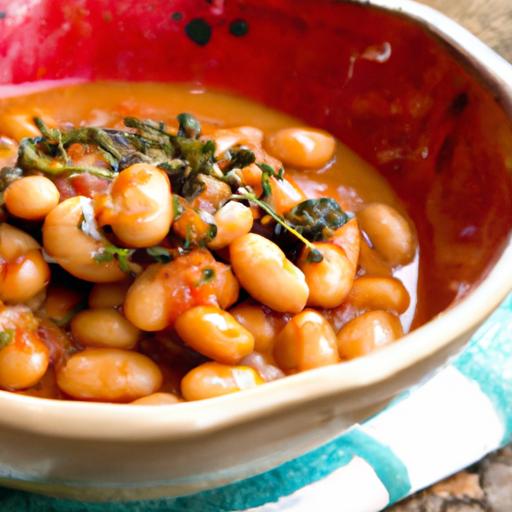

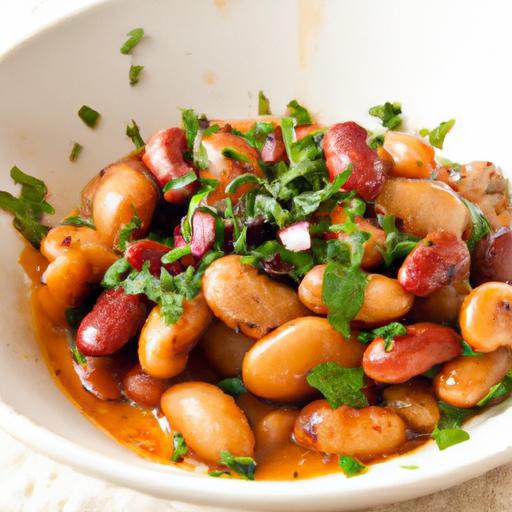
Beneath thier humble exterior, baked beans tell a story steeped in history, culture, and culinary artistry. From the smoky hearths of early settlers to modern kitchen tables around the world, these tender legumes have journeyed through time as a beloved comfort food and a symbol of tradition. In ”Baked Beans Unveiled: A Savory Journey Through Tradition,” we peel back the layers of this classic dish to explore its origins,evolution,and enduring appeal. Join us as we savor the rich tapestry woven by beans, molasses, and spices-a savory tale that is as much about community and heritage as it is about flavor.
Baked Beans Unveiled reveals a rich tapestry of tradition, flavor, and culinary evolution, showcasing how this humble dish has inspired kitchens across the globe. Originally a Native American staple, baked beans migrated with settlers and adapted to local ingredients and tastes, shaping unique, savory renditions embraced by English, Canadian, and Caribbean cultures alike. Today, mastering perfectly baked beans at home means honoring these legacies while inviting your own creativity to shine through every simmer and sweet, smoky bite.
Prep and Cook Time
- Preparation: 15 minutes
- Cooking: 2 hours 30 minutes (includes slow baking to meld flavors)
- Total Time: 2 hours 45 minutes
Yield
Serves 6 hearty portions, perfect for family dinners or casual gatherings.
Difficulty Level
Moderate: Requires patience for slow cooking and attention to layering flavors,but straightforward with simple ingredients and clear instructions.
Ingredients
- 2 cups dried navy beans,soaked overnight and drained
- 1 large onion,finely chopped
- 3 cloves garlic,minced
- 6 slices thick-cut bacon,chopped
- 1/2 cup pure maple syrup or dark molasses (for that deep,caramelized sweetness)
- 1/4 cup tomato paste,rich and concentrated
- 1/4 cup apple cider vinegar,brightens and balances flavors
- 2 tbsp Dijon mustard,adds subtle heat
- 1 tbsp smoked paprika,infuses smokiness
- 2 cups low-sodium chicken broth or vegetable broth
- Salt and freshly cracked black pepper,to taste
- 2 tbsp olive oil,for sautéing
- Optional: a pinch of cayenne for warmth,or a splash of bourbon for complexity
Instructions
- Preheat your oven to 300°F (150°C),allowing ample gentle heat to transform flavors without drying out beans.
- Sauté the bacon in a heavy oven-safe pot or Dutch oven over medium heat until crisp.Remove with a slotted spoon and set aside.
- Using the rendered fat (add olive oil if needed),sauté the onion until translucent and tender,about 7 minutes. Add garlic and cook until fragrant, about 1 minute.
- Return bacon to the pot, stirring in tomato paste, maple syrup or molasses, apple cider vinegar, Dijon mustard, and smoked paprika. Cook for 2 minutes, allowing spices to bloom.
- Add the soaked, drained beans and broth, stirring until evenly combined. Season lightly with salt and pepper.
- Bring the mixture to a gentle simmer on the stovetop. Cover with a tight-fitting lid or foil, then transfer to the oven.
- Bake for 2 to 2.5 hours, stirring occasionally (every 30-40 minutes) to prevent sticking and encourage even cooking.Add extra broth if beans become dry.
- Taste and adjust seasoning, adding salt, pepper, or cayenne as desired. For an extra layer of flavor, stir in a splash of bourbon or Worcestershire sauce just before serving.
- Allow beans to rest 10 minutes away from heat; flavors will intensify as they cool slightly.
Tips for Success
- Soaking beans overnight hydrates them and shortens cooking time. Speedy-soak them by boiling for 1 minute and letting sit 1 hour in a pinch.
- Use a heavy-bottomed, oven-safe pot to reduce scorching and ensure gentle, even heat distribution.
- Stir occasionally to avoid sticking, especially toward the end of baking.
- Sweetness can be tailored - maple offers subtle complexity, whereas molasses brings a rich depth.
- prepare in advance and refrigerate overnight. Reheat gently and add broth if needed for creaminess.
Serving Suggestions
Plate your baked beans in rustic bowls garnished with freshly chopped flat-leaf parsley and a drizzle of smoky chili oil or crisped bacon bits.They shine alongside grilled sausages,buttered toast,or cornbread for a hearty brunch or comforting dinner. For a modern twist, try spooning baked beans over roasted sweet potatoes or using them as a topping for baked potatoes with a dollop of sour cream. Perfect for BBQ parties or cozy family meals,this dish complements a wide range of proteins,from roast chicken to pulled pork.
| Nutrient | Per Serving |
|---|---|
| calories | 320 kcal |
| Protein | 18 g |
| Carbohydrates | 40 g |
| Fat | 8 g |

For those keen to explore more traditional legume-based recipes, discover our Hearty Lentil Stews or visit British Food Heritage for a deep dive into classic baked bean history.
Q&A
Q&A: Baked Beans Unveiled – A Savory Journey Through Tradition
Q1: What exactly are baked beans, and why have they captivated taste buds for centuries?
A1: At their core, baked beans are humble legumes slow-cooked in a luscious, often sweet and smoky sauce. Their charm lies in this alchemy-transforming simple beans into a comforting dish that melds heartiness with warmth. This combination has made baked beans a beloved staple across cultures, inviting countless generations to gather around the table and savor tradition.
Q2: Where did the tradition of baked beans originate?
A2: the roots of baked beans stretch back to Native American culinary practices, notably among the Algonquian peoples, who would slow-cook beans with maple syrup and bear fat in earthen pots. European settlers adapted these methods, introducing molasses, brown sugar, and pork, crafting the dish into the iconic recipe known today. Thus, baked beans tell a story of cultural exchange and adaptation.Q3: How do baked beans vary around the world?
A3: From the smoky Boston style laden with molasses and salt pork, to the spicy, tomato-rich Caribbean versions, baked beans wear many flavorful hats. British baked beans tend to be milder, often enjoyed on toast for breakfast, while other cultures incorporate regional spices-each variation reflecting local tastes and traditions, making baked beans a canvas for culinary creativity.
Q4: What makes the slow-baking process essential to the dish?
A4: Slow baking is the heart of baked beans’ magic. This gentle heat allows the beans to soften perfectly while the sauce thickens and infuses layers of flavor. The process encourages a caramelization that deepens sweetness and smoke, transforming simple ingredients into a soulful, melt-in-your-mouth experience that quick cooking simply can’t replicate.
Q5: Can baked beans be a healthy addition to one’s diet?
A5: Absolutely! Beans are nutritional powerhouses, rich in protein, fiber, and essential minerals. When prepared thoughtfully-limiting added sugars and using lean meats or vegetarian alternatives-baked beans offer a balanced, satisfying meal component that supports heart health and digestion, proving comfort food can also be good for you.
Q6: How can one put their own twist on this traditional dish?
A6: The beauty of baked beans lies in their versatility. Try infusing them with your favorite spices-chipotle for smoky heat, or curry powder for an exotic flair. Swap pork for smoked turkey or tempeh to accommodate different diets. Incorporate fresh herbs like rosemary or thyme for brightness. The journey through tradition is just the starting point; your kitchen is the canvas for innovation.
Q7: Why do baked beans continue to hold such a special place on dining tables today?
A7: Baked beans are more than a dish-they’re a narrative of community, comfort, and shared history. Their enduring popularity stems from their ability to evoke nostalgia while remaining adaptable and approachable. Whether served at a backyard BBQ or a cozy winter supper, baked beans remind us of the simple joys found in hearty, honest food crafted with care.
Dive into baked beans not just as a recipe but as a savory journey through time, flavor, and culture-a timeless invitation to savor tradition one tender bite at a time.
Concluding Remarks
As we close this flavorful chapter on baked beans, it’s clear that these humble legumes carry more than just a savory taste-they embody a rich tapestry of history, culture, and culinary ingenuity. From smoky campfire gatherings to hearty family dinners, baked beans have journeyed through time, evolving yet steadfast in their comforting appeal. Next time you savor a spoonful,remember you’re partaking in a tradition that’s as warm and timeless as the dish itself. Here’s to celebrating the enduring legacy of baked beans-simple, soulful, and utterly satisfying.