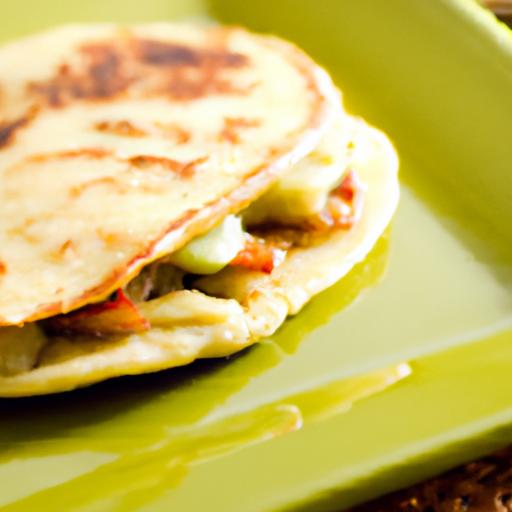

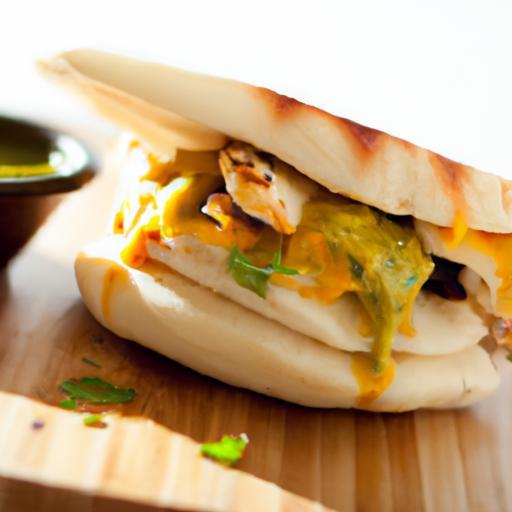
Wrapped in the warm embrace of golden cornmeal, the arepa is more then just a simple dish-it’s a vibrant thread woven through the rich tapestry of Latin American culture. From bustling street corners to family kitchens passed down through generations, these humble pockets of flavor hold stories that span centuries.”Arepas Unwrapped: A Tasty Journey into Tradition” invites you to peel back the layers of history, craftsmanship, and regional pride that transform this beloved staple into a culinary experience brimming with heritage and heart. Join us as we explore how a humble corn cake became a celebrated symbol of identity, innovation, and irresistible taste.
Arepas Unwrapped: A Delicious Journey into Tradition invites you to explore the rich tapestry of Latin American cuisine through one of its most beloved staples. These golden,tender corn cakes have a story that spans centuries and cultures,offering a window into indigenous heritage and communal gatherings. From the bustling streets of Bogotá to the coastal kitchens of Venezuela, arepas have become more than just food-thay are a symbol of home, comfort, and culinary artistry.
Prep and Cook Time
- Preparation: 15 minutes
- Cooking: 20 minutes
- Total Time: 35 minutes
Yield
- 8 medium-sized arepas (serves 4)
Difficulty Level
- Medium
ingredients
- 2 cups pre-cooked white or yellow cornmeal (harina precocida de maíz, such as P.A.N.)
- 2 ½ cups lukewarm water
- 1 teaspoon fine salt
- 2 tablespoons vegetable oil (plus extra for cooking)
- Optional: ½ cup crumbled queso fresco or shredded mozzarella for a cheesy twist
Instructions
- Combine the ingredients: In a large bowl, slowly pour the lukewarm water over the cornmeal and salt, stirring gently with your hand or a wooden spoon to start hydrating the dough.
- Let it rest: Allow the mixture to sit for 5 minutes, letting the cornmeal fully absorb the water and swell, creating a soft but moldable dough.
- add oil and mix: Drizzle in the vegetable oil and knead the dough for a few minutes until smooth and pliable. If the dough feels dry, add a bit more water; if too sticky, dust with a little more cornmeal.
- Form the arepas: Divide the dough into 8 equal portions. Roll each into a ball, then flatten into a ½-inch thick disc – about 4 inches in diameter. If adding cheese, press some inside the dough balls before shaping.
- Preheat the cooking surface: Heat a skillet or griddle over medium heat and lightly brush with vegetable oil to prevent sticking.
- Cook on the skillet: Place the arepas on the hot surface. Cook for about 5-7 minutes on one side until a golden crust forms, then flip.
- Finish in the oven: Transfer the skillet to a preheated 350°F (175°C) oven and bake for an additional 10 minutes to cook through and create that perfect fluffy interior.
- Rest and serve: Let the arepas cool for a few minutes before slicing open to fill or topping with your favorite ingredients.
Tips for Success
- Water Temperature: Use lukewarm water to activate the cornmeal properly and help achieve the ideal texture.
- Dough Consistency: The dough should feel like soft playdough-neither dry nor sticky.
- Resting Time: Don’t skip the resting, as it allows the starches to hydrate fully.
- Cooking Surface: A cast-iron skillet is ideal for evenly distributing heat and getting that signature golden crust.
- Make-Ahead: Form the arepas in advance, cover them tightly, and refrigerate for up to 24 hours. Cook just before serving for freshest results.
- Gluten-Free: These arepas are naturally gluten-free,perfect for dietary restrictions.
Delectable Fillings and Flavor Combinations to Elevate Your Arepas
Arepas serve as the perfect canvas to showcase savory and sweet flavors. Classic Venezuelan fillings include shredded beef ropa vieja with melted cheese, black beans with avocado, or even pulled chicken with spicy mayonnaise. Colombian arepas frequently enough accompany hearty meals with butter, hogao (a tomato and onion sauce), or fresh white cheese.For a refreshing twist, try mixing in mango salsa with grilled shrimp or stuffing with scrambled eggs and chorizo for a satisfying breakfast.
Tips and Techniques for Cooking Arepas to Golden Perfection
Mastering the cooking process is key to achieving arepas that contrast a crisp exterior with a pillowy interior. Ensure the pan is preheated evenly and avoid flipping too frequently to help develop that iconic, golden crust. Finish cooking in the oven if you prefer a softer texture through the middle, or cook solely on the stovetop for a chewier bite. Experiment with lightly oiling the outside or sprinkling coarse salt before cooking for added flavor depth.
Serving Suggestions
- Sliced open and stuffed with creamy avocado, grilled chicken, and a drizzle of lime crema.
- Spread with garlic butter and topped with crumbled queso fresco and fresh cilantro for a simple,aromatic bite.
- Accompanied by a fresh side salad of diced tomatoes, onions, and cilantro tossed in lime juice.
- Paired with a cup of rich Colombian coffee or Venezuelan hot chocolate for an authentic experience.
| Nutrient | Per Arepa (approx.) |
|---|---|
| Calories | 180 kcal |
| Protein | 4 g |
| Carbohydrates | 38 g |
| Fat | 3 g |
Explore our corn-based recipes for more latin American classics. For a deeper dive into the cultural roots and versatility of arepas, visit Britannica’s article on Arepas.

Q&A
Q&A: Arepas Unwrapped – A Delicious Journey into Tradition
Q1: What exactly is an arepa?
A1: At its simplest, an arepa is a golden, round corn cake born from the hearts of Latin American kitchens, especially Venezuela and Colombia. Made from ground maize dough or pre-cooked corn flour, this humble staple can be grilled, baked, fried, or steamed, serving as both a meal and a culinary canvas.
Q2: Where did arepas originate?
A2: the tale of the arepa begins deep in pre-Columbian history, where indigenous peoples of the northern regions of South america crafted these corn cakes as a daily nourishment. today,arepas maintain their ancestral spirit while embracing regional twists,making them a delicious touchstone of cultural identity.
Q3: What makes arepas different from other corn-based dishes?
A3: Unlike tortillas or tamales, which rely on masa nixtamalizada (treated corn dough), arepas use pre-cooked corn flour, giving them a distinct texture that’s crispy on the outside and tender within. Their versatility shines, as they can stand alone or be stuffed with endless fillings-cheese, meats, beans, avocado, and beyond.
Q4: How are arepas traditionally prepared?
A4: Tradition calls for mixing pre-cooked corn flour with water and a pinch of salt, kneading it into a moist dough. This dough forms patties-thick or thin-then these are magically transformed on a hot griddle or in a cast-iron skillet until they develop a slightly crunchy crust. Once cooked, they might potentially be sliced open and generously filled.
Q5: What fillings are most popular in arepas?
A5: The fillings are a reflection of the diverse landscapes and cultures in Latin America. Venezuela’s beloved “Reina Pepiada” combines shredded chicken, avocado, and mayonnaise, while Colombia’s “Arepa de Choclo” mixes sweetness with fresh corn and cheese. From smoky shredded beef to gooey melted cheese, the options are as limitless as your creativity.
Q6: Can arepas be enjoyed beyond conventional settings?
A6: Absolutely! Arepas have crossed borders and found homes in global kitchens. Their gluten-free nature and adaptability make them perfect for contemporary dietary trends. Food trucks, upscale restaurants, and street vendors all celebrate the arepa’s charm-turning it into a worldwide symbol of comfort and creativity.
Q7: Why should someone try making arepas at home?
A7: Because making arepas is like touching centuries of tradition with your own hands-it’s a sensory celebration of aroma,texture,and flavor that connects you to a rich heritage. Plus, it’s incredibly rewarding to create a warm, satisfying meal that can be customized to your taste buds and shared with loved ones.
Q8: Where can I find authentic arepas if I’m not traveling to Latin America?
A8: Look to vibrant Latin American neighborhoods in major cities where arepa vendors frequently enough set up shop with sizzling griddles and welcoming smiles. Additionally, many international grocery stores carry pre-cooked corn flour, enabling you to bake or pan-fry authentic arepas anytime at home.
Q9: What’s the lasting appeal of the arepa?
A9: The arepa’s magic lies in its simplicity and soul. It is a symbol of heritage, a vessel for creativity, and a warm embrace on a plate. Through every bite, you unwrap stories of community, resilience, and the joy of sharing food-a timeless experience that continues to win hearts worldwide.
Whether you’re a seasoned foodie or a curious culinary traveler,the humble arepa invites you to unwrap tradition and savor a journey that’s as rich in history as it is in flavor.
In retrospect
As we peel back the layers of the humble arepa, what emerges is far more than just a simple corn cake – it’s a vibrant tapestry of history, culture, and culinary artistry wrapped into one. From the bustling street corners of Venezuela and Colombia to tables around the world, arepas tell stories of tradition, adaptation, and flavor. Whether stuffed with cheese, meats, or a creative blend of modern fillings, these golden discs remain a delicious testament to the enduring power of food to connect us across generations.So next time you unwrap an arepa, savor not just the taste, but the rich heritage it carries, inviting you on a timeless journey of flavor and discovery.