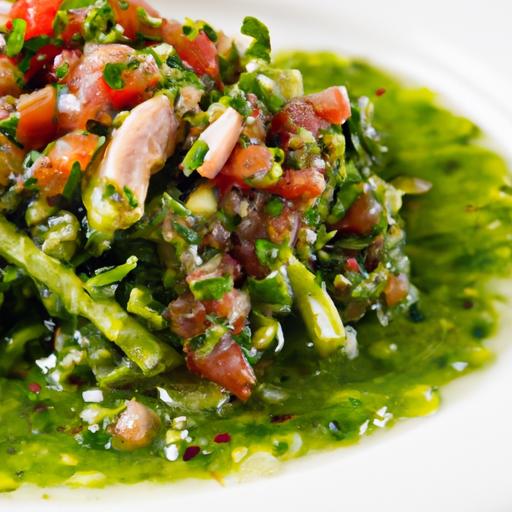

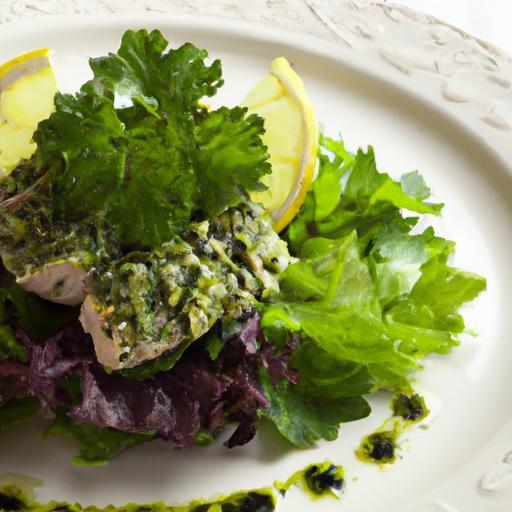
Vibrant, herbaceous, and bursting with bold flavors, chimichurri is far more then just a sauce-it’s a culinary celebration in every spoonful. Originating from the sun-drenched landscapes of Argentina,this zesty blend of fresh herbs,garlic,vinegar,and oil has quietly revolutionized kitchens around the world. Whether drizzled over grilled meats, spooned onto roasted vegetables, or used as a lively marinade, chimichurri transforms simple dishes into unforgettable experiences. In this article, we peel back the layers of this iconic sauce, exploring its history, ingredients, and the magic that makes it a beloved staple on tables everywhere. Get ready to discover how chimichurri can awaken your palate and elevate your meals with its irresistible zest.
Chimichurri is much more than just a vibrant green sauce-it’s a culinary emblem that captures the spirit of South American kitchens, specifically Argentina and Uruguay.Rooted in tradition yet endlessly adaptable, this zesty blend draws from simple, fresh ingredients to bring a refreshing punch to any meal.Crafting your own chimichurri at home unlocks the magic of bold herbs, garlic, and tangy vinegar, creating a sauce that transforms ordinary meats, vegetables, and even breads into unforgettable dishes.
Prep and Cook Time
Readiness: 10 minutes
Resting Time: 30 minutes (recommended for flavors to meld)
Cook Time: None (no-cook sauce)
Yield
makes approximately 1 cup (serves 4-6 as a condiment)
Difficulty Level
Easy – perfect for cooks of any experience level looking to add a bright, herby kick to their repertoire.
Ingredients
- 1 cup fresh flat-leaf parsley, finely chopped
- 3-4 garlic cloves, minced
- 2 tablespoons fresh oregano leaves (or 2 teaspoons dried oregano)
- 1/2 cup extra virgin olive oil
- 2 tablespoons red wine vinegar
- 1 teaspoon crushed red pepper flakes
- 1/2 teaspoon smoked paprika (optional, adds subtle warmth)
- Salt and freshly ground black pepper, to taste
- 1/4 cup finely minced red onion (optional, for added texture)
Instructions
- Prepare the herbs: Rinse the parsley and oregano under cold water and pat dry thoroughly. Finely chop the herbs to release their fragrant oils.
- Combine aromatics: In a medium bowl, add finely minced garlic, optional red onion, and crushed red pepper flakes. Stir gently to mix.
- Add liquids: Pour in the olive oil and red wine vinegar, whisking together to create a smooth emulsion. This balance of acid and oil is key to a well-rounded chimichurri sauce.
- Incorporate herbs and spices: Stir the chopped parsley and oregano into the liquid mixture. Sprinkle in smoked paprika, if using, along with salt and freshly ground black pepper.
- Adjust and rest: Taste and adjust seasoning accordingly-more vinegar for tang, a pinch more salt for brightness.Cover the sauce and let it rest at room temperature for at least 30 minutes.This resting time allows the flavors to meld beautifully.
- Before serving: Give the chimichurri a final stir. If it appears too thick, add a splash of olive oil or vinegar to reach your desired consistency.
Chef’s Notes & Tips for Success
- Herb variations: While parsley is traditional, feel free to experiment with cilantro, basil, or chives for a different flair.
- Garlic intensity: For a softer garlic flavor, roast the cloves lightly before mincing.
- Storage: Store chimichurri in an airtight container in the refrigerator for up to one week. Bring to room temperature before serving to revive freshness.
- Make-ahead: This sauce improves when made a few hours or a day in advance, allowing the flavors to fully develop.
- oil choice: Use a high-quality extra virgin olive oil to enhance the sauce’s richness and depth.
Serving Suggestions
Chimichurri’s versatility makes it a standout companion to grilled and roasted meats such as flank steak, chicken thighs, or even lamb chops. Drizzle generously over sliced steak for a fresh contrast to smoky char. For plant-based pairings, toss roasted vegetables like eggplant, zucchini, or mushrooms in chimichurri to elevate their natural earthiness.
beyond mains, spread chimichurri on crusty bread as a flavorful bruschetta or mix into cooked grains like quinoa or farro for a herby boost. Garnish dishes with a sprinkle of fresh parsley or a few red pepper flakes to echo the sauce’s vibrant character.

| Nutrient | Per 2 Tbsp Serving |
|---|---|
| Calories | 120 |
| Protein | 1g |
| Carbohydrates | 1g |
| Fat | 13g (mostly healthy fats) |
For more inspiration on grilled meats and sauces, check out our ultimate guide to grilled steak recipes. To dive deeper into the history and cultural significance of chimichurri, the Encyclopedia Britannica entry offers an authoritative overview.
Q&A
Q&A: Chimichurri Unveiled: The Zesty Sauce That Transforms Meals
Q1: What exactly is chimichurri?
A: Chimichurri is a vibrant, herbaceous sauce originating from Argentina and Uruguay.It’s a fresh blend of parsley, garlic, olive oil, vinegar, and spices that packs a zesty punch, transforming ordinary dishes into flavor-packed experiences.
Q2: How did chimichurri become so popular?
A: Originally a rustic accompaniment to grilled meats, chimichurri caught the world’s attention for its bold, fresh flavors and versatility. Its rise in global cuisine is thanks to its bright profile that complements everything from steak to roasted veggies, making it a kitchen essential beyond South America.
Q3: What makes chimichurri so unique compared to other sauces?
A: Unlike creamy sauces or heavy gravies, chimichurri is all about freshness and balance. It’s tangy, herbal, and garlicky without overwhelming richness – a natural burst of flavor that elevates food while keeping it light and refreshing.
Q4: can chimichurri be customized?
A: Absolutely! The classic formula is forgiving and flexible. You can swap parsley for cilantro, add a spicy kick with red pepper flakes, or experiment with different vinegars and herbs.The essence remains a lively,herbaceous drizzle that enlivens any meal.
Q5: What dishes shine brightest with chimichurri?
A: Traditionally great with grilled steaks and sausages, chimichurri also pairs beautifully with chicken, fish, roasted potatoes, and even as a dressing for grain bowls and salads. Its vibrant flavor profile makes it an excellent all-rounder in the kitchen.
Q6: how do you store chimichurri to keep it fresh?
A: As chimichurri is made from fresh ingredients, it’s best stored in an airtight container in the fridge. It usually stays fresh for up to a week, and the flavors even deepen with a day of resting. Just give it a good stir before serving.
Q7: Why should food lovers give chimichurri a try?
A: Chimichurri invites you to taste a little piece of South America’s culinary soul.It’s easy to make, endlessly adaptable, and instantly elevates dishes with its bold, fresh notes. For anyone looking to transform meals with a simple, zesty sauce, chimichurri is the secret weapon.
In Retrospect
As we’ve uncovered, chimichurri is far more than just a sauce-it’s a vibrant celebration of bold flavors that can elevate everything from grilled meats to roasted vegetables. Its bright herbs, tangy vinegar, and subtle heat combine to create a zesty symphony that brings dishes to life with every bite. Whether you’re a seasoned chef or a curious food lover, embracing chimichurri in your kitchen invites a burst of freshness and personality to your meals. So next time you crave a simple way to transform your cooking, reach for this emerald elixir and let its spirited essence redefine your dining experience.