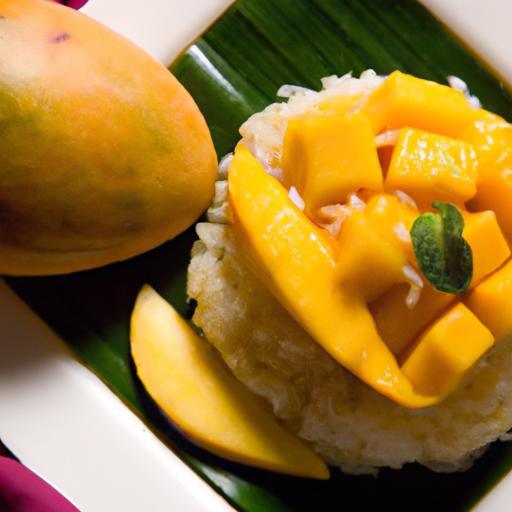

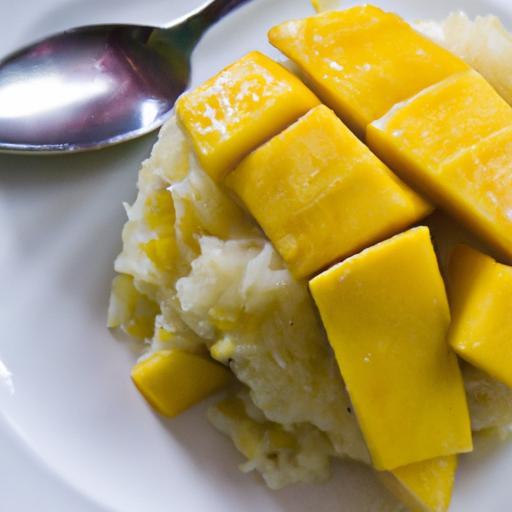
Beneath the swaying palms of Thailand’s sun-soaked shores lies a dessert that perfectly captures the essence of the tropics-mango sticky rice. This unassuming yet irresistible dish weaves together the creamy richness of coconut-infused sticky rice with the vibrant, juicy sweetness of ripe mangoes, creating a harmony of flavors that has enchanted locals and travelers alike. More than just a treat, mango sticky rice tells a story of tradition, culture, and the island’s abundant bounty.Join us as we uncover the origins, ingredients, and irresistible allure of Thailand’s sweet tropical delight.
Mango Sticky Rice is more than just a dessert in Thailand-it is a sensory journey blending the tropics’ sweetest, juiciest mangoes with luxuriously creamy coconut-infused sticky rice. This iconic Thai treat has long been cherished for its balance of textures and flavors, echoing Thailand’s rich cultural heritage and agricultural bounty. From bustling street markets of Bangkok to tranquil village celebrations, this dessert carries stories of family gatherings, festivals, and the simple joy of sharing nature’s harvest.
Prep and Cook Time
Readiness: 20 minutes | Cooking: 45 minutes | Total Time: 1 hour 5 minutes
Yield
Serves 4-5 people
Difficulty Level
Medium - requires attention to sticky rice soaking and coconut milk consistency
Origins and Cultural Significance of Mango Sticky Rice in Thai Tradition
Originating from the lush southern provinces of Thailand, mango sticky rice-locally known as Khao Niew Mamuang-reflects Thailand’s reverence for seasonal fruits and sticky rice cultivation.Traditionally enjoyed at the height of the mango season (April to June), this dessert celebrates both abundance and simplicity. In Thai culture, offering mango sticky rice during festivals or as a gesture of hospitality symbolizes warmth, generosity, and the sweetness of life itself. Many recipes have been passed down through generations,each carefully balancing sweet,salty,and creamy to create its signature irresistibility.
The Art of Preparing Perfectly Creamy Coconut Sticky Rice
Mastering the art of coconut sticky rice is key to recreating the authentic mango sticky rice experience. The foundation is glutinous (sticky) rice, which requires soaking for at least 4 hours-ideally overnight-to achieve that tender, chewy texture. Steaming rather than boiling preserves the rice’s natural stickiness and ethereal fragrance.
The coconut sauce is crafted by gently simmering coconut milk with palm sugar, a pinch of salt, and often a splash of pandan water for floral notes. Pouring hot coconut sauce over the freshly steamed sticky rice allows the rice to fully absorb the rich, sweet creaminess, a process requiring both patience and attention.
Selecting the ideal Mango Varieties for Authentic Flavour
The soul of the dish lies in choosing the perfect mango. The ideal mangoes for this dessert are naturally sweet, juicy, and have a soft yet firm flesh. Traditional favorites include the Nam Dok Mai and Keo Savoy varieties. Their honeyed aroma and succulent texture complement the coconut sticky rice without overpowering it.When selecting mangoes, opt for ones with a golden-yellow skin and a gentle give to the touch, indicating ripeness and peak sweetness. Avoid hard or overly fibrous mangoes for authentic flavor and a melt-in-your-mouth experience.
Tips and tricks for Serving mango Sticky Rice Like a Local
Serving mango sticky rice is an art form deeply rooted in presentation and balance. Arrange thin,even slices of mango alongside a generous scoop of coconut sticky rice. Drizzle extra coconut sauce over the top and sprinkle with roasted mung beans or sesame seeds for subtle crunch and nutty depth. For an authentic touch, serve it on a banana leaf or a small traditional plate.
Enjoy mango sticky rice slightly warm or at room temperature, which helps highlight the creaminess of the coconut milk and the fruity sweetness of the mango. Pair it with a refreshing Thai iced tea or a light jasmine tea to cleanse the palate between bites.
Ingredients
- 1 cup glutinous (sticky) rice, rinsed and soaked overnight
- 1 1/2 cups coconut milk, full fat
- 3/4 cup palm sugar, finely chopped or shredded
- 1/4 teaspoon salt
- 2 ripe mangoes, peeled and thinly sliced (preferably Nam Dok Mai or Keo Savoy)
- 2 tablespoons roasted mung beans or toasted sesame seeds (optional garnish)
- Pandan leaf (optional, for fragrance)
Instructions
- Soak the rice: Rinse the sticky rice thoroughly under cold water until clear. Soak in water for at least 4 hours or overnight for best results.
- steam the rice: Drain the soaked rice and place it in a steamer basket lined with cheesecloth or a clean kitchen towel. Steam over boiling water for 20-25 minutes. Flip the rice halfway to ensure even cooking.
- Prepare coconut sauce: While rice steams, combine coconut milk, palm sugar, salt, and pandan leaf in a saucepan. Cook over medium heat, stirring frequently until sugar dissolves.Remove pandan leaf and keep warm.
- Mix sticky rice and sauce: Transfer cooked sticky rice to a bowl. Pour three-quarters of the warm coconut sauce over the rice and gently fold to combine. Cover and let it rest for 15-20 minutes to absorb the flavors.
- Prepare mango: Peel and slice mangoes thinly, arranging them on a serving plate.
- Assemble the dish: Scoop a mound of coconut sticky rice beside the mango slices, drizzle with remaining coconut sauce, and sprinkle the roasted mung beans or toasted sesame seeds on top for texture.
Chef’s Notes
- for a vegan-friendly version, ensure your palm sugar contains no additives derived from animals.
- If pandan leaves are unavailable, a few drops of vanilla extract can subtly enhance the coconut sauce.
- Sticky rice can be made ahead of time but avoid refrigerating as it hardens; instead, cover and keep at room temperature before serving.
- Adjust palm sugar to taste depending on the sweetness of your mangoes.
- For an extra indulgent twist, top with a small drizzle of thickened coconut cream.
Serving Suggestions
Present mango sticky rice in a shallow bowl or on a banana leaf-lined plate for authentic flair. Garnish with crispy roasted mung beans,which provide a delightful crunch,or a sprinkle of toasted sesame seeds for subtle nuttiness. Complement the dish with a side of Thai iced tea or chilled jasmine tea to balance the sweetness and complete the tropical experience.
| Nutrient | Per Serving |
|---|---|
| Calories | 350 kcal |
| Protein | 4 g |
| Carbohydrates | 56 g |
| Fat | 10 g |

looking to explore more authentic Thai desserts? Check out our Complete Guide to Thai Sweets. For further reading on Thailand’s culinary heritage, the Tourism Authority of Thailand offers rich insights.
Q&A
Q&A: Mango Sticky Rice – Thailand’s Sweet Tropical Delight Unveiled
Q1: what exactly is Mango Sticky Rice?
A1: Mango Sticky Rice, or Khao Niew Mamuang in Thai, is a beloved traditional dessert from Thailand that masterfully combines sweet, ripe mango slices with warm, sticky glutinous rice soaked in rich, creamy coconut milk. It’s a harmonious blend of textures and flavors that captures the essence of tropical bliss in every bite.
Q2: Why is Mango Sticky Rice so popular in thailand?
A2: Beyond its irresistible taste, Mango Sticky Rice is deeply woven into Thai culture and festivities. Its popularity stems from the perfect marriage of fragrant mangoes-the stars of Thai orchards-and the uniquely chewy, coconut-infused sticky rice. Served primarily during mango season, it feels like a festivity of nature’s bounty and Thai culinary artistry.
Q3: How is the sticky rice prepared to achieve its distinctive texture?
A3: The secret lies in using glutinous rice,which is soaked for several hours and steamed until tender. Then, the rice is gently mixed with a luscious, slightly salty coconut milk concoction. This process infuses the grains with creaminess while maintaining their signature stickiness, creating a velvety base that complements the juicy mango perfectly.
Q4: Are there regional variations of Mango Sticky rice in Thailand?
A4: Absolutely! While the classic recipe centers on yellow mangoes and coconut milk, some regions incorporate different toppings like toasted mung beans or sesame seeds for extra crunch. Occasionally, pandan leaves are infused in the rice for a subtle floral aroma, showcasing the diversity within this simple yet elegant dessert.
Q5: Can Mango Sticky Rice be enjoyed year-round?
A5: Traditionally,Mango Sticky Rice is a seasonal treat since it relies on fresh,ripe mangoes,which peak during Thailand’s hot season (April to June). However, thanks to global demand and modern agricultural techniques, you can find variations-sometimes with frozen mangoes-offered year-round in Thai restaurants worldwide, though purists emphasize savoring it fresh for the optimal experience.
Q6: what makes the mangoes used in this dish special?
A6: The mangoes of Thailand, especially varieties like Nam Dok Mai and Keo savoy, are prized for their heavenly sweetness, fragrant floral notes, and tender texture. They ripe just right-firm yet juicy-providing a perfect foil to the creamy, slightly salty sticky rice. The mango’s natural sugars balance the dessert, delivering a refreshing tropical harmony.
Q7: How can someone recreate Mango Sticky Rice at home?
A7: To craft this tropical delight in your kitchen, you’ll need glutinous rice, fresh ripe mangoes, coconut milk, sugar, and a pinch of salt. After soaking and steaming the rice, blend the coconut milk with sugar and salt, then mix it into the hot rice. Serve alongside sliced mangoes with an optional drizzle of coconut cream and a sprinkle of toasted sesame seeds or mung beans for that authentic touch.
Q8: Why is Mango Sticky rice more than just a dessert?
A8: Mango sticky Rice is a cultural emblem, evoking memories of Thai summers, bustling street markets, and the generosity of Thai hospitality. It’s a sensory journey that connects people to nature’s cycles and traditional craftsmanship. Each bite is an invitation to savor not just sweetness, but a story rich in history, community, and joy.
Whether you’re a dessert adventurer or a lover of tropical flavors, Mango Sticky Rice unfolds a delicious chapter of Thai heritage-a sweet, sticky embrace of sunshine and tradition.
To Wrap It Up
As the last spoonful of creamy mango sticky rice melts away,we’re reminded that this humble dessert is more than just a treat-it’s a vibrant tapestry woven from Thailand’s rich cultural heritage,tropical abundance,and timeless culinary artistry. Whether enjoyed on a bustling Bangkok street corner or in the quiet comfort of your own kitchen, mango sticky rice invites you to savor the sweetness of tradition and the warmth of a tropical sun. So next time you crave a taste of paradise, let this golden-hued treasure transport you to the heart of Thailand’s sweetest delight.