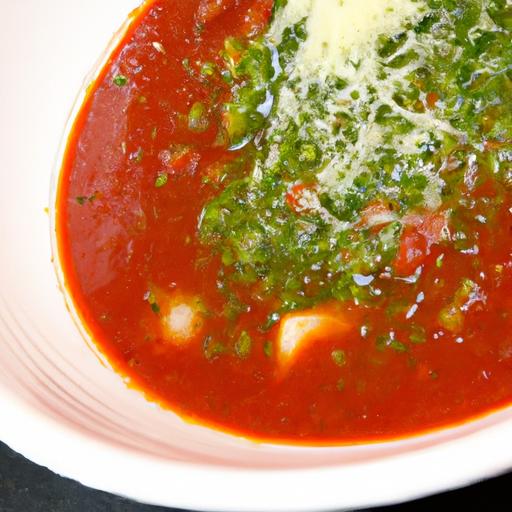

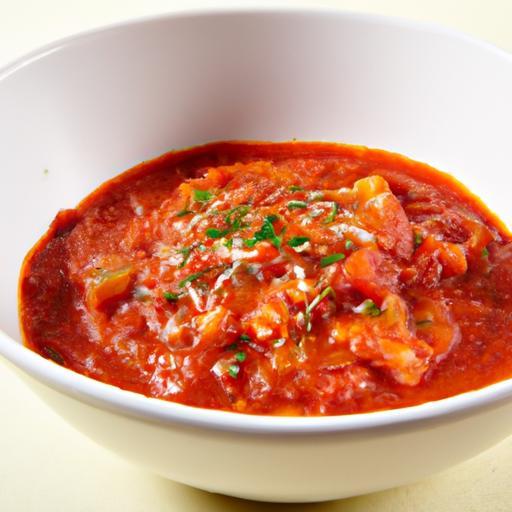
There’s something undeniably magical about a vibrant, simmering pot of marinara sauce-the rich aroma, the deep red hue, and that perfect balance of tangy tomatoes, fragrant herbs, and gentle garlic whispers. Whether draped over a bed of pasta, nestled beneath layers of cheese, or served as a lively dip, marinara is a timeless cornerstone of Italian cuisine that brings comfort and flavor to countless dishes. Yet, mastering this classic sauce doesn’t require years in a tuscan kitchen or secret family recipes; it’s an accessible art that anyone can learn. In this article, we’ll unravel the simplicity behind marinara’s magic, breaking down the essential ingredients, cooking techniques, and tips that will have you crafting a fresh, flavorful sauce every time-turning your kitchen into a little slice of Italy.
Mastering marinara is about more than just throwing tomatoes in a pot; it’s an art of coaxing harmony from a few every day, yet extraordinary ingredients. This sauce, rooted in the sun-soaked hills of Southern Italy, transforms simple pantry staples into a vibrant dance of flavor-highlighting the magic of timing, technique, and ingredient quality.
Prep and Cook Time
- Prep: 15 minutes
- Cook: 45 minutes
- Total: 1 hour
Yield
About 4 cups (serves 6)
Difficulty Level
Easy – perfect for both beginners and seasoned cooks aiming to refine their technique
Ingredients
- 2 tablespoons extra-virgin olive oil
- 1 medium yellow onion, finely chopped
- 4 cloves garlic, thinly sliced
- 1 (28-ounce) can San Marzano whole peeled tomatoes, crushed by hand (or 1.5 pounds fresh ripe plum tomatoes, peeled and crushed)
- 1 teaspoon fine sea salt
- ½ teaspoon freshly ground black pepper
- 1 teaspoon granulated sugar (optional, to balance acidity)
- 5 fresh basil leaves, torn
- ½ teaspoon red pepper flakes (optional for subtle heat)
Instructions
- Heat olive oil gently over medium in a sauté pan. Add the finely chopped onion and cook until translucent and soft, about 7-8 minutes, stirring occasionally to prevent browning-this slow softening develops the sauce’s sweet backbone.
- Add the sliced garlic and red pepper flakes (if using). Sauté for 1-2 minutes until fragrant but not browned; burnt garlic imparts bitterness.
- Pour in the crushed tomatoes with their juices. Fresh tomatoes should be peeled (score, blanch, then peel) and roughly crushed by hand for the most natural texture.
- Season with salt,pepper,and sugar. Stir to combine, adjusting seasoning as you go; the sugar can be skipped if your tomatoes are naturally sweet.
- Bring the sauce to a gentle simmer and reduce heat to low. Let it cook uncovered, stirring occasionally, for 30-40 minutes until it thickens and deepens in color. Time here is key: patience yields a richer flavor and smoother sauce.
- Five minutes before serving, add torn basil leaves to infuse the sauce with fresh, aromatic notes.
- For a smoother texture, gently crush the tomatoes with the back of a spoon during cooking or finish with an immersion blender for a velvety finish without any complex tools.
chef’s Notes: Tips for Success
- fresh vs. Canned Tomatoes: Use canned San Marzano tomatoes in winter for consistency; when in season, take advantage of ripe, fresh plum tomatoes for a lighter, fresher flavor.
- Avoid overcooking garlic: Adding it too early or over high heat causes bitterness; this small step keeps the sauce sweet and balanced.
- Master the simmer: A low, slow simmer is essential to develop vibrant flavor without drying the sauce.
- Make ahead: Marinara often improves the next day-store in the fridge and gently reheat. Freezes beautifully in airtight containers for up to 3 months.
- smooth without fuss: Skip expensive tools by gently mashing during simmering or using a simple immersion blender for a silky texture.
Serving Suggestions
Serve your marinara tossed with al dente spaghetti or as a base for meatballs,grilled chicken,or vegetables. Garnish with freshly torn basil, a drizzle of extra-virgin olive oil, and a sprinkle of freshly grated parmigiano-reggiano for bright, savory finish. Pair with warm, crusty garlic bread to soak up every last drop.

Nutritional Facts Per Serving
| calories | Protein | Carbs | Fat |
|---|---|---|---|
| 90 | 2g | 12g | 5g |
For further inspiration on pasta pairings, explore our detailed guide on Perfect pasta Recipes. Dive deeper into the history and benefits of San Marzano tomatoes here.
Q&A
Q&A: Mastering Marinara – The Classic Sauce Made Simple
Q1: what exactly is marinara sauce?
A1: Marinara is a vibrant Italian tomato sauce, celebrated for its simplicity and fresh flavors. Traditionally, it’s made with ripe tomatoes, garlic, olive oil, fresh herbs like basil and oregano, and a pinch of salt. it’s the culinary equivalent of sunshine in a bowl-bright, tangy, and utterly versatile.
Q2: Why is marinara sauce so iconic in Italian cuisine?
A2: Marinara is a cornerstone of Italian cooking as it embodies the essence of Mediterranean flavors with minimal ingredients. It’s quick to prepare yet deeply satisfying, making it perfect for everything from pasta and pizza to dipping and braising.
Q3: Can I use canned tomatoes, or do I have to use fresh?
A3: Both work beautifully! While fresh, ripe tomatoes yield a bright and natural sweetness, high-quality canned San Marzano tomatoes bring rich depth and convenience, especially when fresh tomatoes are out of season. The secret lies in choosing the best ingredients you can find.
Q4: How do I avoid a watery or bland marinara?
A4: Patience is key! Let your sauce simmer gently to concentrate the flavors and reduce excess liquid. Also, don’t be shy with the garlic and herbs-a good pinch of salt and a dash of sugar can balance acidity and elevate the taste. Taste as you go, and adjust seasonings accordingly.
Q5: Is it necessary to peel and seed the tomatoes?
A5: Not necessarily. Peeling can create a smoother texture, but many cooks prefer the rustic charm of unpeeled tomatoes for added body. Seeding helps reduce bitterness, but if your tomatoes are sweet and ripe, you can leave the seeds for extra richness. It’s all about your texture preference.
Q6: What’s the best way to store leftover marinara?
A6: Marinara keeps wonderfully! Store leftovers in an airtight container in the fridge for up to 5 days. For longer life, freeze portions in ice cube trays or freezer-safe containers, where it can last up to 3 months. Thaw gently, and you’re ready to go.
Q7: Can I customize marinara for different dishes?
A7: Absolutely! Marinara is a blank canvas. For a spicy kick, add red pepper flakes. Want a smoky touch? Toss in some roasted red peppers or smoked paprika. For heartier meals, stir in olives, capers, or sautéed mushrooms. The beauty lies in its adaptability.
Q8: What’s the one expert tip to master marinara?
A8: Let the sauce tell you its story-taste, adjust, and don’t rush. Marinara isn’t about strict rules; it’s about coaxing out the natural harmony of ingredients. A splash of good olive oil at the end, fresh basil torn and stirred in last minute, will transform your sauce from simple to sublime.
With these insights, your journey to mastering marinara becomes a appetizing adventure-one spoonful at a time!
Key Takeaways
With a few simple ingredients and a touch of patience, mastering marinara sauce transforms from a daunting task into a rewarding ritual. This humble, vibrant sauce-steeped in tradition yet endlessly adaptable-anchors countless dishes with its bright, comforting flavor. Whether you’re simmering a Sunday dinner for loved ones or sprinkling a little Italian sunshine on weeknight pasta,remember: the secret to a perfect marinara lies not just in the recipe,but in the joy of making it your own. So go ahead,stir the pot,savor the aroma,and let your kitchen become a canvas for this timeless classic made simple.