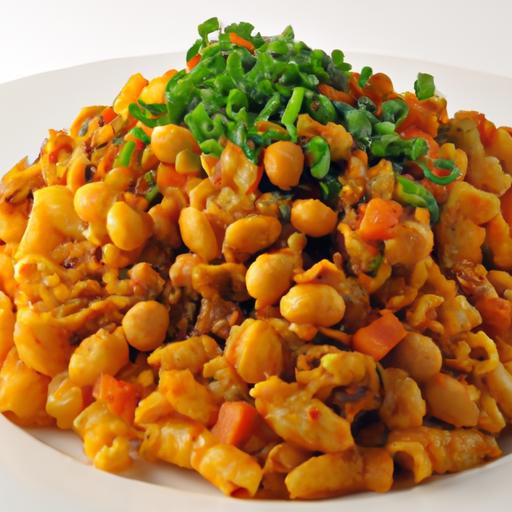

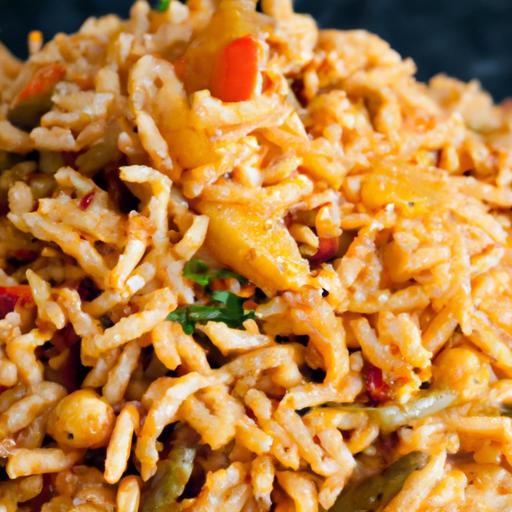
In teh bustling streets of Cairo and the vibrant corners of Egyptian markets, a humble yet hearty dish captivates both locals and travelers alike-Koshari. More than just a meal, Koshari is a flavorful tapestry woven from simple ingredients like rice, lentils, pasta, and a zesty tomato sauce, crowned with crispy fried onions. This iconic Egyptian comfort food tells a story of cultural fusion, resourcefulness, and communal tradition that has spanned generations. Join us as we uncover the rich history, unique flavors, and enduring charm of Koshari, Egypt’s beloved culinary masterpiece.
Origins and Evolution of Koshari in Egyptian Culinary History
Koshari holds an iconic place in Egyptian cuisine as a testament to the nation’s rich history of culinary fusion. Originating from the working-class neighborhoods of Cairo in the late 19th century, this humble dish embodies the melting pot of cultural influences-Indian rice, Italian pasta, Egyptian lentils, and Middle Eastern chickpeas-all brought together in one hearty plate. Originally served as a street food to satisfy hungry laborers, koshari has evolved into a beloved national staple enjoyed by Egyptians from all walks of life.As you immerse yourself in making koshari, you’re connecting with a deep tradition that celebrates resourcefulness, community, and vibrant flavors.
Key Ingredients That Bring Koshari to Life
The magic of koshari lies in it’s layered ingredients, each contributing texture, color, and depth to the dish’s distinctive character. At its core, this dish features rice, brown lentils, and elbow macaroni forming a hearty base.The crowning glory is the fiery tomato sauce spiced with garlic and vinegar, perfectly balancing the earthiness of lentils and pasta. Crunchy fried onions add a golden, caramelized crispness that contrasts beautifully with creamy textures. Additional staples like chickpeas inject subtle nuttiness while roundening the nutritional profile. when sourcing ingredients, prioritize fresh garlic, quality lentils, and ripe tomatoes to ensure your koshari sings with authenticity and vibrancy.
Mastering the Art of Koshari Preparation at Home
Prep and Cook Time
- Prep time: 20 minutes
- Cook time: 45 minutes
- Total time: 1 hour 5 minutes
Yield
Serves 4-6 hungry food lovers
Difficulty Level
Medium – approachable for cooks with some kitchen experience looking to expand their repertoire
Ingredients
- 1 cup brown lentils, rinsed and drained
- 1 cup long-grain white rice, rinsed
- 1 cup elbow macaroni
- 2 cups cooked chickpeas (or canned, drained)
- 3 large onions, thinly sliced
- 4 cloves garlic, minced
- 1 can (15 oz) crushed tomatoes
- ¼ cup tomato paste
- 1 tsp ground cumin
- ½ tsp ground coriander
- 2 tbsp white vinegar
- ½ tsp red chili flakes (optional)
- 1 tsp salt, plus more to taste
- ½ tsp black pepper
- 3 tbsp vegetable oil, divided
- Water or vegetable broth as needed
Instructions
- Cook the lentils: In a medium saucepan, cover lentils with water by 2 inches. Bring to a boil, reduce to simmer, and cook uncovered for about 20 minutes or until tender but holding shape. Drain and set aside.
- Prepare the rice: In a separate pot, heat 1 tablespoon vegetable oil. Add half the minced garlic and sauté until fragrant (about 30 seconds). Add the rinsed rice and 1 ½ cups water, season with ½ teaspoon salt. Cover and simmer on low for 15-20 minutes until water is absorbed and rice is fluffy.
- Cook macaroni: Boil elbow macaroni in salted water until al dente, about 7 minutes. drain and toss with a drizzle of oil to prevent sticking.
- Make the tomato sauce: Heat 2 tablespoons oil in a saucepan over medium heat. Add remaining garlic and sauté for 1 minute. Stir in tomato paste and crushed tomatoes, then add cumin, coriander, chili flakes, salt, pepper, and vinegar. simmer uncovered for 15-20 minutes, stirring occasionally until thickened.
- Fry the onions: Heat 2 tablespoons of oil in a deep pan. Add sliced onions in batches and fry slowly over medium heat until golden brown and crisp, about 10 minutes per batch. Drain on paper towels to remove excess oil. These caramelized onions provide essential texture and flavor contrast.
- Assemble koshari: In a large serving dish or individual bowls, layer the rice, lentils, and macaroni. Top with chickpeas, ladle over generous amounts of tomato sauce, then finish with a sprinkle of crispy fried onions.
- Garnish and serve: Offer additional chili sauce or vinegar on the side for diners to adjust the tang and heat level according to preference.
Chef’s Notes
- Variations: Swap elbow macaroni for small shells or ditalini for textural differences.
- Lentils: Brown or green lentils work best – they hold shape better than red lentils.
- Onion frying tip: Slice onions uniformly for even browning and avoid burning by controlling heat.
- Make-ahead: Prepare components in advance and assemble just before serving to maintain crisp onions and vibrant sauce.
- Extra flavor: Add a pinch of smoked paprika to the tomato sauce for complexity,or sprinkle fresh parsley on top for brightness.
Pairing Koshari with Complementary Egyptian Flavors and Drinks
The hearty, comforting profile of koshari pairs beautifully with lightly pickled vegetables like torshi (Egyptian pickles), enhancing its tangy and crunchy layers. A side of baladi bread, the traditional egyptian flatbread, is perfect for scooping up every flavorful bite. To drink, try hibiscus tea-refreshingly tart and vibrant-or a cold glass of karkadeh, a beloved hibiscus brew that complements the dish’s rich backdrop. For those who prefer somthing savory, a simple glass of mint tea brings aromatic freshness to balance the dish’s hearty elements.
Nutritional Information
| Serving Size (1 cup) | Calories | Protein | Carbs | Fat |
|---|---|---|---|---|
| Koshari | 320 kcal | 12 g | 55 g | 5 g |

Explore more Egyptian spice blends to elevate your koshari to new heights.
Q&A
Q: What is Koshari and why is it considered Egypt’s national dish?
A: Koshari is a vibrant, hearty fusion dish that perfectly captures the essence of Egyptian street food culture. It combines rice, lentils, pasta, and crispy fried onions, all topped with a tangy tomato sauce and a splash of spicy vinegar. Symbolizing the country’s rich history and diverse influences, Koshari is beloved by Egyptians from Cairo’s bustling streets to the farthest villages, earning its place as the heart and soul of Egypt’s culinary identity.
Q: How did Koshari originate and evolve into the dish we certainly know today?
A: Koshari’s roots trace back to the 19th century, a time when Egypt was a crossroads of cultures and cuisines-British, Italian, Indian, and Middle Eastern all danced into its food landscape. Originally inspired by Indian khichdi, Koshari evolved by adding pasta and crispy fried onions, reflecting Italian and Egyptian influences. Its economical ingredients made it a popular meal for workers and students, gradually rising from humble origins to national fame.
Q: What ingredients make Koshari so unique and flavorful?
A: At first glance,Koshari may look like a simple mix of staples,but each component plays a star role: tender rice and lentils provide a comforting base,small pasta shapes like elbow macaroni and vermicelli add texture,and crunchy fried onions deliver a satisfying crunch. The secret lies in the spicy tomato sauce, seasoned with garlic, vinegar, and chili, which ties everything together with a tangy kick.A drizzle of garlic-infused vinegar or hot sauce on top adds depth and brightness.
Q: How is Koshari traditionally served and eaten?
A: Koshari is typically served piping hot in generous portions, often at street stalls or small eateries known as “Koshari houses.” It’s scooped into bowls or plates, layered for maximum flavor with rice, lentils, pasta, then drenched with the signature tomato sauce and crowned with a mountain of golden fried onions. Diners sometimes add a splash of garlic vinegar or extra chili sauce to tailor the spice level, making each bite a perfect balance of textures and tastes.
Q: Why has Koshari become a symbol of unity and cultural fusion in Egypt?
A: More than just a dish,Koshari embodies Egypt’s past tapestry-a culinary mosaic where different cultures and flavors blend harmoniously. it’s enjoyed by people across all social classes, serving as a great equalizer and a reminder that simplicity combined with diversity can create something extraordinary. Its enduring popularity speaks to its role in bringing communities together over a shared love of food and tradition.
Q: Can Koshari be adapted for modern tastes or dietary needs?
A: Absolutely! While traditional Koshari is vegetarian, some variations include protein like chickpeas or beef for a heartier meal. The components can be adapted to gluten-free diets by substituting pasta with alternatives like rice noodles. Chefs and home cooks alike experiment with spices and sauces, infusing new twists while respecting the dish’s authentic spirit. This flexibility ensures that Koshari remains relevant and beloved in Egypt and around the world.
Q: Where can someone outside Egypt experience authentic Koshari?
A: As Egyptian cuisine gains global recognition, authentic Koshari can often be found in Middle Eastern restaurants around the world, from New York to London and beyond. For the true flavors, nothing beats a visit to a bustling Cairo street market or a neighborhood Koshari joint, where the aromas, sounds, and vibrant atmosphere complete the experience. Numerous recipes and cooking tutorials are also available for adventurous food lovers eager to bring this flavorful fusion dish to their own kitchens.
Future Outlook
As the final grains of rice mingle with the last drizzle of zesty tomato sauce, Koshari stands not just as a meal but as a vibrant tapestry of Egypt’s rich history and diverse cultures. this humble dish, born from the fusion of ingredients and traditions, offers more than just flavor-it tells a story of resilience, unity, and the ingenious spirit of everyday Egyptians. Whether enjoyed at a bustling Cairo street stall or recreated in your own kitchen, Koshari invites you to savor a bite of Egypt’s heart and heritage, proving that sometimes, the most extraordinary stories are crafted from the simplest ingredients.