
There’s a magical moment when sugar and peanut collide-a sizzling symphony that crackles and snaps beneath your teeth, sending waves of sweet, buttery delight through your senses. Peanut brittle, that timeless treat, isn’t just a simple candy; it’s a carefully orchestrated dance of chemistry and craft. From teh precise caramelization of sugar to the perfect roast of the peanuts, every step plays a vital role in creating the signature crunch and complex flavor that has captivated snack lovers for centuries. Join us as we unwrap the sweet science behind peanut brittle, exploring how heat, timing, and texture come together to transform humble ingredients into a crunchy delight that’s as fascinating as it is delicious.
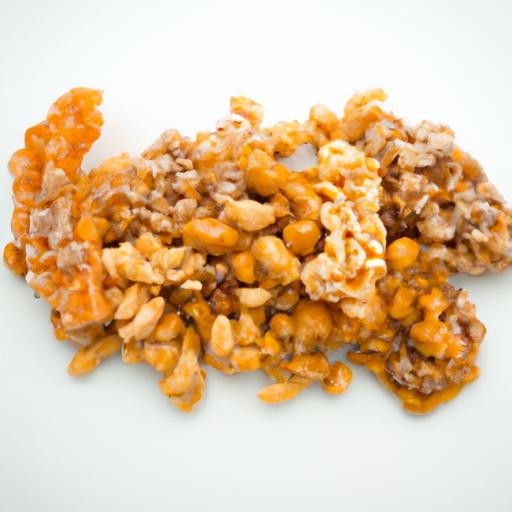
Crunchy Delight begins with understanding the delicate balance between heat, sugar, and texture-elements that transform simple peanuts and sugar into the irresistible snap of classic peanut brittle. Originating as a humble treat handed down through generations, this recipe invites both novices and seasoned cooks to unlock the secrets behind a perfectly caramelized, sturdy yet tender candy that melts in your mouth.
Prep and Cook Time
Planning: 15 minutes
Cooking: 20 minutes
Total: 35 minutes
Yield
Makes approximately 30 pieces (about 8 servings)
Difficulty Level
Medium – requires attention to temperature and timing, but the results are absolutely worth it.
Ingredients
- 1 1/2 cups granulated sugar
- 1/2 cup light corn syrup
- 1/4 cup water
- 1 cup raw, unsalted peanuts
- 2 tbsp unsalted butter, softened
- 1 tsp baking soda
- 1/2 tsp vanilla extract
- Pinch of salt
Instructions
- Prepare your workspace: Line a large baking sheet with parchment paper or a silicone mat. Set aside.
- Toast the peanuts: In a dry skillet, sauté the peanuts over medium heat until golden and fragrant, about 5 minutes, stirring frequently to prevent burning. Remove and set aside.
- Cook the sugar syrup: In a heavy-bottomed saucepan, combine granulated sugar, corn syrup, and water. Stir gently to combine, then clip on a candy thermometer.
- Caramelize with precision: Heat over medium heat without stirring until the syrup reaches 300°F (hard crack stage). This is the key phase were the sugars crystallize,developing the signature crispness.
- Add butter and peanuts instantly: remove the pan from heat and quickly stir in butter, toasted peanuts, baking soda, vanilla extract, and salt. The mixture will foam-this aeration is crucial for a light,crunchy texture.
- Pour and spread: promptly but carefully pour the bubbling mixture onto your prepared baking sheet. Use a spatula or offset knife to spread it thin and even to about 1/8-inch thickness.
- Cool completely: Allow the brittle to cool at room temperature, about 30-45 minutes, until it hardens fully.
- Break and store: Once set, break into bite-sized pieces. Store in an airtight container to maintain crispness.
Tips for Success: Mastering Your Crunchy Delight
- Use an accurate candy thermometer: Precision here is vital. Too low, and your brittle will be sticky; too high, and it may burn and taste bitter.
- Don’t rush mixing after heating: Add the baking soda and butter off the heat quickly but carefully-the foamy reaction creates tiny air bubbles that give your brittle the signature light crunch.
- Work fast when spreading: Caramel cools quickly. Have your spreading tools ready to gently flatten and shape the brittle before it hardens.
- Adapt with nut alternatives: Swap peanuts for almonds, cashews, or pistachios for a personalized twist. Toast nuts first to deepen flavor.
- For lasting freshness: Keep your peanut brittle sealed in a cool, dry place. Avoid refrigeration which can introduce moisture and soften the candy.
Serving Suggestions
Present your Crunchy Delight on a rustic wooden board paired with a steaming mug of dark roast coffee or robust black tea. For a festive touch, sprinkle a light dusting of sea salt over the brittle just before serving to accentuate the rich caramel notes.Garnish plates with whole roasted peanuts or edible gold leaf for an elegant appearance. Crushed brittle makes a dazzling ice cream topper or decadent addition to cakes and cookies.

Nutrition Facts per Serving
| Calories | Protein | Carbohydrates | Fat |
|---|---|---|---|
| 180 | 4g | 22g | 9g |
For more inspiration on homemade caramel and nuts, explore our Sweet Caramel Essentials guide. further insight into sugar chemistry can be found via Science History Institute.
Q&A
Q&A: Crunchy Delight – The Sweet Science Behind Peanut Brittle
Q1: What exactly makes peanut brittle so irresistibly crunchy?
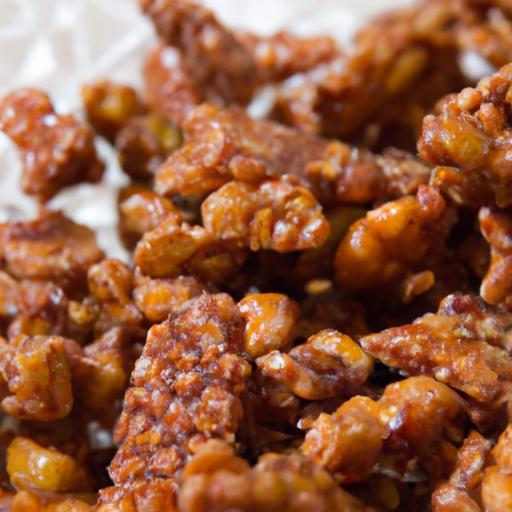
A1: The magic behind peanut brittle’s legendary crunch lies in a precise dance of sugar chemistry. When sugar is heated to the “hard crack” stage-around 300°F (150°C)-it transforms into a glassy, brittle structure. This sugar matrix snaps crisply because it’s essentially pure caramelized sugar,devoid of moisture. The embedded roasted peanuts add a satisfying nutty texture that contrasts perfectly with the crunchy candy.
Q2: How do peanuts contribute to the texture and flavor profile?
A2: Peanuts play a starring role beyond just taste. Their oils release during roasting, creating a rich, toasty aroma that complements the caramel notes. Texturally, their crunch interspersed within the brittle adds layers of complexity-each bite offers a delightful interplay between the sweet, hard candy and the slightly softer, earthy nuts.Moreover, the natural saltiness of peanuts enhances the overall flavor by balancing the sweetness.
Q3: Why is temperature control so crucial when making peanut brittle?
A3: Temperature is the sweet tooth’s secret weapon.Heat the sugar too little, and the brittle won’t harden properly-it’ll be sticky or chewy. Heat it too much, and it burns, turning bitter with an unpleasant burnt aroma.Hitting that precise “hard crack” stage means the sugar syrup loses nearly all water content,crystallizing into an impossibly crisp texture. Thermometers or savvy intuition are vital tools for success.
Q4: Does the type of sugar used affect the final product?
A4: Absolutely! Most traditional recipes rely on white granulated sugar, prized for its clean sweetness and predictable caramelization. But some artisans experiment with brown sugar or even honey for deeper, more complex flavors. These alternatives introduce moisture and impurities that can soften the texture slightly, giving the brittle a chewier edge and richer aroma, but pure white sugar remains the gold standard for that classic snap.
Q5: Can the science behind peanut brittle teach us anything about candy-making in general?
A5: Peanut brittle is a brilliant snapshot of the broader candy-making cosmos. It showcases how sugar’s physical states (like syrup, soft ball, hard crack) dictate texture and that temperature is the kingpin of candy chemistry. Also, it illustrates Maillard reactions and caramelization, two processes essential for flavor growth. Understanding these fundamentals empowers anyone to transform simple ingredients into a spectrum of confections-from chewy caramels to delicate spun sugar.
Q6: What tips can home candy-makers take from the science of peanut brittle?
A6: Precision and timing are everything! Use a reliable candy thermometer and keep your ingredients ready before you start. Roast your peanuts beforehand for that perfect crunch and flavor. Stir gently to avoid premature crystallization but don’t overmix. Once the syrup reaches the hard crack stage, pour it quickly onto a greased surface and spread thinly to cool. Lastly, experiment with small batches to perfect your personal crunchy delight.
Q7: Beyond the crunch and sweetness, is there a cultural or nostalgic aspect to peanut brittle?
A7: Oh, certainly! Peanut brittle carries fond memories-often homemade, passed down through families or gifted during holidays. Its simplicity belies a deep emotional sweetness tied to tradition. The crackling sound of breaking brittle echoes laughter around kitchen tables, making it more than candy-it’s a crunchy capsule of warmth, comfort, and shared moments.
In savoring peanut brittle, you’re not just enjoying a treat-you’re tasting a symphony of science, tradition, and tactile delight that has captivated taste buds for generations.
concluding Remarks
As the final shards of peanut brittle dissolve on your tongue,you’re left not just with a satisfying crunch but a deeper thankfulness for the delicate dance of science and artistry behind every bite. From the precise caramelization of sugar to the perfect roasting of peanuts,this timeless treat is a testament to how chemistry and craft combine to create sweet delight. So next time you savor that crackling confection, remember-it’s more than just a snack. It’s a crunchy festivity of culinary science, where patience and precision transform humble ingredients into a symphony of flavor and texture.