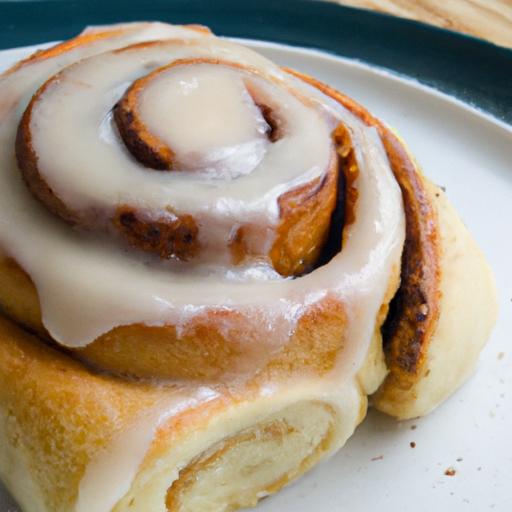

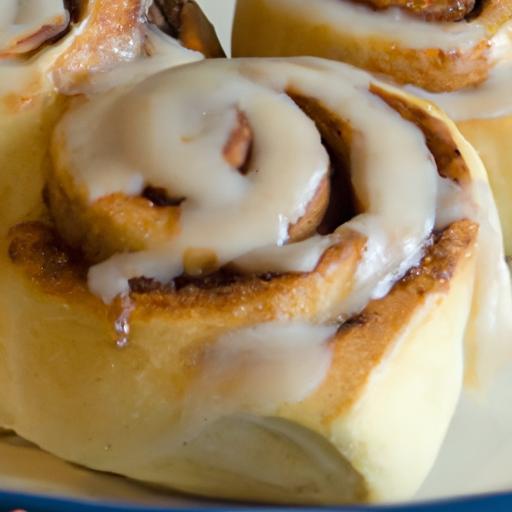
there’s a magical moment in every kitchen when flour, sugar, yeast, and butter come together to create something that transcends mere pastry – the perfectly fluffy cinnamon roll.Behind the tender spirals of dough, the gooey ribbons of cinnamon, and that irresistible golden glaze lies a delicate dance of science and craft. From the fermentation of yeast to the delicate balance of temperature and ingredients, each step is a carefully orchestrated reaction that transforms simple components into fluffy clouds of sweet delight.In this article, we’ll unravel the sweet science behind these beloved rolls, revealing how understanding the chemistry and technique can elevate your baking from good to unforgettable.
The Sweet Science Behind perfectly Fluffy Cinnamon Rolls begins with understanding the magic that yeast brings to dough, turning simple ingredients into an irresistibly soft and airy indulgence. The aroma of warm cinnamon, the tender pull of each swirl, and the delicate crumb all stem from mastering the interplay of fermentation, kneading, and ingredient selection.This recipe will guide you through every essential step,unlocking the secrets to crafting cinnamon rolls that are as delightful to make as they are to eat.
Prep and Cook Time
- Preparation: 25 minutes
- Proofing: 1 hour 30 minutes
- Baking: 20-25 minutes
- Total time: Approximately 2 hours 20 minutes
yield
12 generously sized cinnamon rolls
Difficulty Level
Medium – Ideal for enthusiastic home bakers ready to embrace a rewarding challenge
Ingredients
- For the Dough:
- 4 cups all-purpose flour, sifted
- 1 packet (2 1/4 tsp) active dry yeast
- 1 cup whole milk, warm (110°F/43°C)
- 1/3 cup granulated sugar
- 1/3 cup unsalted butter, melted
- 1 large egg, room temperature
- 1 tsp salt
- For the Cinnamon Filling:
- 3/4 cup packed brown sugar (light or dark)
- 2 tbsp ground cinnamon
- 1/4 cup unsalted butter, softened
- For the Glaze:
- 1 cup powdered sugar
- 2 tbsp whole milk
- 1/2 tsp pure vanilla extract
Instructions
- Activate the Yeast: In a small bowl, combine warm milk and sugar. Sprinkle the yeast over the surface and let it sit for 5-10 minutes until foamy. This indicates the yeast is alive and ready to work.
- Mix the Dough: In a large mixing bowl, combine the sifted flour and salt. Make a well in the center and add the yeast mixture, melted butter, and the beaten egg. Stir gently until a shaggy dough forms.
- knead for Softness: Turn the dough onto a floured surface. Knead with the heel of your hands for 8-10 minutes,folding it back towards you then pushing away. The goal is a smooth, elastic dough. It should feel slightly tacky but not sticky. This kneading develops gluten,contributing to the airy texture.
- First Proof: Place the dough in a lightly oiled bowl,cover with a damp cloth or plastic wrap,and let it rise in a warm spot for about 1 hour,or until it doubles in size.This fermentation lets the yeast release gases, creating pockets that give the dough its fluffiness.
- Prepare the Filling: Mix the brown sugar and cinnamon in a small bowl. Set aside the softened butter for spreading.
- Roll Out the Dough: Once risen, punch down the dough to release excess air, then turn it onto a floured surface. Roll it into a 16×12-inch rectangle with even thickness-around 1/4 inch thick for balanced swirls.
- Spread the Filling: Evenly coat the surface with softened butter, then sprinkle the cinnamon sugar mixture, ensuring consistent coverage to guarantee perfect moisture and flavor throughout the roll.
- Form the Swirls: Starting from the long edge, tightly roll the dough into a log. Pinch the seam to seal and use a sharp knife to cut into 12 equal rolls. Cutting evenly is key to uniform baking and swirl perfection.
- Second Proof: Place the rolls cut-side up on a greased baking pan,leaving a little space between them. cover loosely and let proof again for 30-45 minutes until puffy and slightly risen.This rest boosts fluffiness.
- Bake: Preheat the oven to 350°F (175°C). Bake rolls for 20-25 minutes until golden brown but not overly crusty. The smell of baking cinnamon should fill your kitchen, signaling success.
- Glaze and Serve: Whisk powdered sugar, milk, and vanilla until smooth. Drizzle generously over warm rolls.Serve instantly for melting softness or cool to room temperature for a different but delightful texture.
Tips for Success: Mastering the Sweet Science Behind Perfectly Fluffy Cinnamon Rolls
- Yeast Activation: Always use milk that’s warm, not hot, to avoid killing the yeast.
- Flour Choice Matters: Use high-quality all-purpose flour for ideal gluten strength. Bread flour can be used for an even chewier texture but may alter softness.
- Kneading Technique: Avoid over-flouring to keep dough tender. Knead until smooth and elastic but not stiff.
- Proofing Surroundings: Let dough rise in a draft-free, slightly warm (about 75°F/24°C) place; a turned-off oven with a bowl of hot water works wonders.
- filling Tips: Soften butter adequately to spread easily without tearing the dough. Mix cinnamon and sugar thoroughly to prevent clumps.
- Cutting: Use dental floss or a sharp serrated knife for clean, even cuts.
- Make-Ahead: Prepare rolls up to the second proof stage, cover tightly, and refrigerate overnight. Bake directly from the fridge, adding 5-7 minutes to baking time.
Serving Suggestions
Serve these fluffy cinnamon rolls warm on a rustic wooden board or a pastel ceramic plate to contrast their golden color beautifully.Garnish with a light sprinkle of cinnamon powder or freshly chopped pecans for crunch. Pair with a creamy latte,chai tea,or a fresh glass of cold milk to complement the rich sweetness. For added elegance, drizzle a caramel or cream cheese glaze alongside.

| Nutrient | Per serving |
|---|---|
| Calories | 320 |
| Protein | 5g |
| Carbohydrates | 45g |
| Fat | 12g |
For further insights into dough fermentation and ingredient science, check out King Arthur Baking’s Bread Science Guide. To explore related comfort baking recipes,visit our Breakfast Bakes Collection.
Q&A
Q: What exactly makes cinnamon rolls ”fluffy”?
A: The secret to fluffy cinnamon rolls lies in the delicate dance of yeast, flour, and time. Yeast ferments sugars, producing carbon dioxide bubbles that puff up the dough. Meanwhile, the gluten network in the flour stretches and traps those bubbles, creating a soft, airy texture. It’s a biochemical ballet where each ingredient plays its part to perfection.
Q: How does yeast contribute to the fluffiness?
A: Yeast is the magical microorganism responsible for fermentation. As it consumes sugars, it releases carbon dioxide gas, which gets trapped in the dough’s elastic gluten strands. this gas expansion causes the dough to rise,creating those signature light and tender layers in cinnamon rolls. Temperature and proofing time influence yeast activity, so patience is key!
Q: Why is gluten meaningful in cinnamon roll dough?
A: Gluten is the protein that gives dough its stretch and strength. When you knead the dough,you’re developing gluten strands that form a resilient web. This web traps the gas bubbles produced by yeast, allowing the dough to expand without bursting. The result? Soft, yet structured rolls that hold their shape while staying pillow-soft inside.
Q: Can the choice of flour affect the fluffiness?
A: Absolutely! High-protein bread flour typically provides more gluten, translating to stronger dough and a chewier texture, perfect for sturdy rolls. In contrast, all-purpose flour yields a softer, more delicate crumb. Some bakers even blend flours to balance tenderness and structure, tailoring fluffiness to their liking.
Q: What role does fat (like butter) play in fluffiness?
A: Fat is the dough’s secret softening agent. Butter or oil coats the flour’s proteins, slightly inhibiting gluten formation, which results in a more tender crumb. Plus, fats add richness and moisture, making each bite melt-in-your-mouth fluffy rather than dry or dense.
Q: How critical is the proofing process?
A: Proofing is the dough’s beauty sleep. During this rest period, yeast ferments sugars and dough expands, developing flavor and texture. Underproofed dough lacks volume and can be dense, while overproofed dough risks collapsing. Timing and environment-warm, humid settings-play essential roles in achieving the perfect rise.
Q: Why do cinnamon rolls frequently enough call for a warm liquid in the dough?
A: Warm liquids encourage yeast activation. If the liquid is too cold, yeast remains sluggish; too hot, and it dies. The ideal warmth (around 100-110°F or 37-43°C) wakes up the yeast gently, kickstarting fermentation to produce that airy fluffiness.
Q: Can sugar affect the texture of cinnamon rolls?
A: Sugar isn’t just for sweetness-it subtly influences texture by feeding yeast during fermentation and tenderizing the dough by absorbing moisture. high sugar content can slow yeast action but also creates a moist crumb, resulting in irresistibly soft rolls.
Q: Does the method of rolling and shaping the dough affect fluffiness?
A: Yes! Rolling the dough evenly and not too thin preserves air pockets formed during proofing. When you roll and slice, you create layers that, upon baking, steam and puff up, enhancing fluffiness. Gentle handling ensures dough layers remain intact for that light,tender pull-apart texture.
Q: How does baking temperature influence the final fluffiness?
A: Baking at the right temperature sets the dough’s structure quickly, capturing the gas bubbles before they escape. Too low,and rolls may dry out or bake unevenly; too high,and the crust forms too quickly,restricting expansion. A balanced temperature gives golden, fluffy rolls with that perfect soft crust on top.
Unlocking the sweet science behind perfectly fluffy cinnamon rolls transforms a simple treat into a culinary masterpiece. With each rise and fold, you conjure chemistry, biology, and artistry-all swirling together in one warm, cinnamon-kissed bite.
In Conclusion
As the aroma of freshly baked cinnamon rolls fills the kitchen, it’s easy to forget that behind each tender, pillowy bite lies a delicate dance of science and art. From the precise balance of yeast and sugar to the gentle folding of dough that traps air like tiny clouds, every step transforms simple ingredients into a confection that feels almost magical. understanding the sweet science behind these irresistible treats not onyl deepens our thankfulness but also empowers us to bake with confidence and creativity. So next time you pull a batch of golden, fluffy cinnamon rolls from the oven, remember: you’re not just enjoying a pastry-you’re savoring a carefully orchestrated masterpiece born from both nature’s chemistry and human ingenuity.