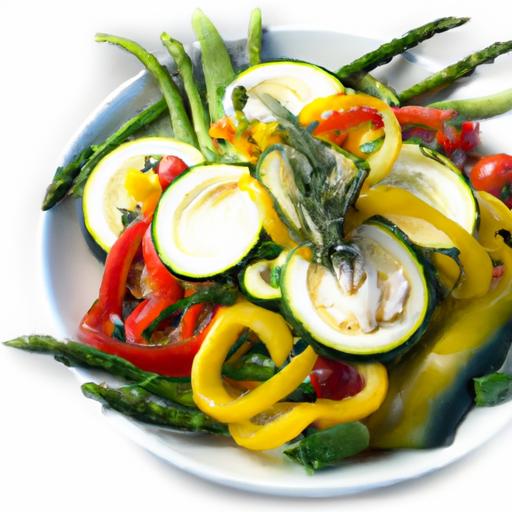

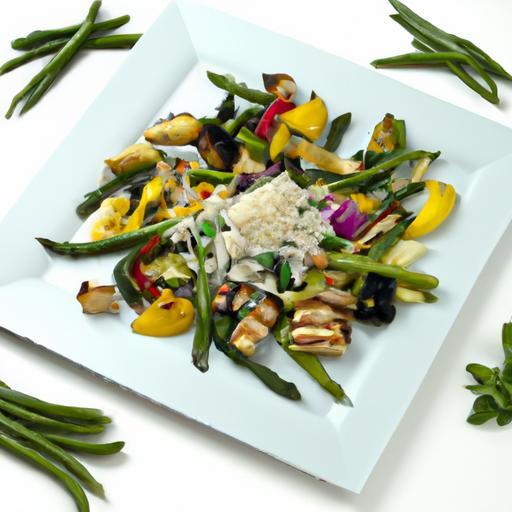
When the sun-drenched fields of Greece burst into a vibrant cascade of colors each summer,they give rise to a culinary masterpiece known as Briam-a rustic vegetable medley that captures the essence of the Mediterranean in every bite. This customary dish, brimming with tender eggplants, juicy tomatoes, fragrant herbs, and glistening zucchini, is more than just a recipe; it’s a festivity of the season’s bounty and a testament to Greece’s rich agricultural heritage. In this article, we’ll embark on a flavorful journey to uncover the origins, ingredients, and cultural significance of Briam, unveiling why it remains a beloved symbol of Greek summer cuisine.
Briam, a vibrant symbol of Greek summer, is a celebration of seasonal vegetables melded together in a fragrant, oven-baked dish. Rooted deeply in Mediterranean tradition, Briam embodies the essence of simple, rustic cooking that transforms humble ingredients into a colorful, soulful experience. Its origins trace back to rural Greek kitchens where farmers would gather vegetables from their gardens, creating a meal that was both economical and incredibly flavorful. This vegetable medley not only showcases the bounty of the Greek summer but also reflects a culinary philosophy grounded in freshness, balance, and the joy of shared meals.
Prep and Cook Time
- Planning: 20 minutes
- Cooking: 1 hour 15 minutes
- total Time: 1 hour 35 minutes
Yield
Serves 6 generously as a main or side dish
Difficulty Level
Medium – ideal for home cooks who love slow-roasting flavors
Key Ingredients That Bring Briam to Life in Summer
- 3 medium zucchinis,sliced into thick rounds
- 2 medium eggplants,cut into chunky cubes
- 4 ripe tomatoes,peeled and roughly chopped
- 2 large red onions,thinly sliced
- 5 cloves garlic,minced
- 1 large golden potato,peeled and sliced
- 1/3 cup extra virgin olive oil (the heart of any Greek dish)
- 2 tablespoons fresh parsley,chopped
- 1 tablespoon fresh oregano or 1 teaspoon dried
- Sea salt and freshly cracked black pepper,to taste
- Juice of 1 lemon to brighten the medley
Step-by-Step Guide to Perfecting Yoru Briam Recipe
- Preheat your oven to 375°F (190°C). This gentle heat will coax out the natural sweetness of the vegetables while allowing the flavors to meld seamlessly.
- Prepare the vegetables: In a large mixing bowl,combine the zucchinis,eggplants,tomatoes,red onions,garlic,and potato. Toss everything with olive oil, lemon juice, salt, pepper, parsley, and oregano until evenly coated. Make sure each piece gleams with the olive oil for that perfect roast.
- Arrange the vegetables evenly in a large baking dish. Aim for a single layer when possible to ensure even roasting, layering gently if necessary.
- Bake uncovered for 45 minutes. Halfway through, gently toss or turn the vegetables to promote caramelization and keep everything from sticking.
- After 45 minutes, reduce the oven temperature to 350°F (175°C) and bake for another 30 minutes or until the potatoes are tender and the top has developed a golden, slightly blistered crust.
- Allow Briam to rest slightly before serving. This resting time helps the medley settle and intensifies the flavors.
- Garnish with a sprinkle of extra fresh parsley and an optional drizzle of quality olive oil just before serving.
Chef’s Notes: Tips for Success
- Vegetable Variations: Feel free to add bell peppers or carrots for additional color and texture. Summer squash also works beautifully.
- Flavor Boost: For a smoky depth, add a teaspoon of smoked paprika or a handful of kalamata olives halfway through cooking.
- Make-Ahead: Briam tastes even better after a day as the flavors develop; reheat slowly in the oven or serve at room temperature.
- Oven Safety: Use ceramic or glass baking dishes for even heat distribution and easy cleanup.
- Serving Temperature: Briam is flavorful warm or served at room temperature, making it a versatile dish for gatherings.
Serving Suggestions: pairing Briam with Traditional Greek Flavors and Wines
The delightful complexity of Briam pairs exquisitely with classic Greek accompaniments. Serve it alongside creamy tzatziki-its cool yogurt sauce offers a refreshing contrast. A wedge of feta cheese crumbled on top or on the side adds that beloved salty tang. For a complete meal, accompany Briam with warm pita bread and a crisp cucumber salad.
When it comes to wine pairing, lean into Greek varietals that enhance the dish’s earthiness and freshness. A chilled Assyrtiko from Santorini brings vibrant acidity that cuts through the olive oil’s richness.Alternatively, a light-bodied Agiorgitiko offers fruit-forward notes that complement the roasted vegetables’ sweetness. For an expert guide on Greek wine selections, Wine Enthusiast’s Greek wine overview is an excellent resource.
| Nutrition | Per Serving (approx.) |
|---|---|
| Calories | 180 kcal |
| Protein | 4 g |
| Carbohydrates | 23 g |
| Fat | 9 g |

Embrace the rustic charm and healthful flavors of this Greek classic. Helping you celebrate summer’s harvest, this dish is a feast not only for your palate but for your eyes as well, painted with the rich hues of fresh vegetables and enlivened by herbs and lemon. Explore more Mediterranean vegetable recipes like this in our Mediterranean vegetable recipe collection to keep your kitchen vibrant and inspired all season long.
Q&A
Q&A: Briam – Discovering Greece’s Colorful Summer Vegetable Medley
Q1: What is Briam, and why is it so beloved in Greek cuisine?
A1: Briam is a vibrant greek vegetable medley that celebrates the bounty of summer’s freshest produce. Think of it as a steamy, aromatic mosaic of zucchini, eggplant, tomatoes, potatoes, onions, and peppers, all lovingly baked to tender perfection. It’s beloved for its simplicity, wholesome flavor, and the way it captures the essence of the Mediterranean sun in every bite.
Q2: which vegetables typically make up Briam, and can the recipe vary?
A2: While the core cast includes zucchini, eggplant, tomatoes, potatoes, and onions, Briam’s charm lies in its flexibility. Bell peppers, carrots, garlic, and even fresh herbs like oregano and parsley often join the party. Local and seasonal availability can steer the mix, making every Briam a slightly unique snapshot of Greece’s summer gardens.
Q3: How is Briam traditionally prepared?
A3: The process is as rustic as it is magical. Each vegetable is sliced or chunked, lightly salted to draw out moisture, then layered or tumbled into a baking dish. Olive oil – Greece’s liquid gold – is generously drizzled over the ensemble, followed by fresh herbs, salt, and pepper. The dish then bakes slowly, allowing the flavors to meld and the vegetables to caramelize gently, resulting in a luscious, melt-in-your-mouth medley.
Q4: What makes Briam a healthy and sustainable choice?
A4: Briam shines as a plant-centric dish, packed with antioxidants, vitamins, and fiber, while being naturally gluten-free and vegan-kind. Its reliance on fresh, seasonal vegetables promotes sustainable eating, reducing reliance on processed foods and minimizing environmental impact through local sourcing.Q5: can briam be enjoyed on its own, or is it part of a larger meal?
A5: Briam is wonderfully versatile. It makes a hearty vegetarian main course accompanied by crusty bread and a sprinkle of feta cheese. Alternatively, it’s a flavorful side dish complementing grilled meats or seafood. Its ease of serving warm or at room temperature makes it a perfect dish for picnics, family gatherings, or leisurely summer dinners.
Q6: Are there any tips to elevate a homemade Briam?
A6: Absolutely! For a luscious depth,roast the vegetables slowly at a moderate temperature to coax out natural sweetness without drying them out. Don’t skimp on olive oil – it’s the key to sumptuous texture and flavor. Fresh herbs added at the end elevate aromas, while a squeeze of lemon juice brightens the whole dish, creating layers of fresh and earthy notes.
Q7: How does Briam reflect Greek culture and lifestyle?
A7: Briam embodies the Greek ethos of “simple yet sublime.” it’s a dish born from the land, showcasing local ingredients and family traditions. Sharing Briam is sharing the warmth of Greek hospitality, the joy of savored meals, and the celebration of nature’s rhythms. It’s comfort food with a sun-drenched soul-colorful, communal, and deeply connected to place.
Dive into Briam, and you’re tasting more than just vegetables-you’re savoring a story of greek summers, sunlit kitchens, and the timeless dance between earth and table.
The Conclusion
As the warm Mediterranean sun bathes the Greek countryside, Briam emerges not just as a dish, but as a vibrant celebration of summer’s freshest bounty. This colorful vegetable medley invites you to savor the simplicity and richness of Greece’s agricultural heritage in every bite. Whether enjoyed as a hearty main or a rustic side, Briam embodies the timeless connection between the land, its seasons, and the people who cherish its flavors. So next time you crave a taste of Greece’s sunny kitchens, let Briam guide you on a flavorful journey that’s as nourishing as it is delightful.