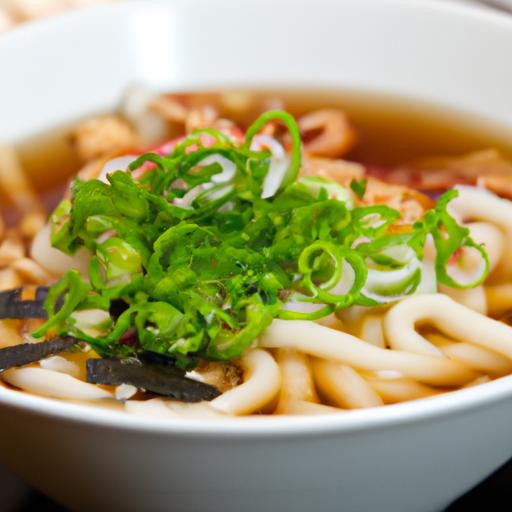

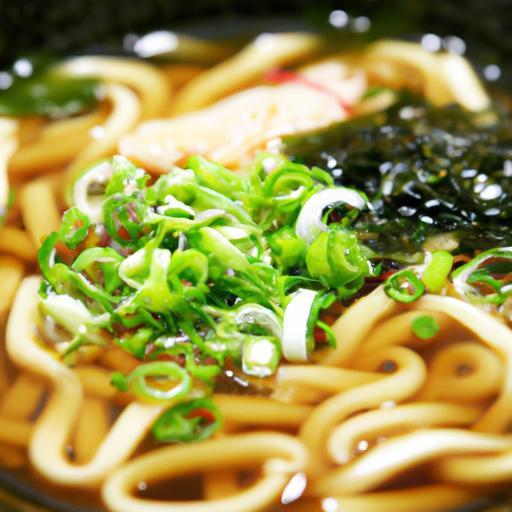
In the heart of Japan’s culinary tapestry lies a humble, steaming bowl that has long been a symbol of warmth and comfort: udon noodle soup. With its thick, chewy noodles submerged in a fragrant, savory broth, udon is more than just a meal-it’s an experience that embraces both tradition and simplicity. This beloved dish has woven itself into the daily lives of locals and travelers alike, offering a soothing respite from bustling streets and chilly days. Join us as we explore the rich history, regional variations, and cultural significance of udon noodle soup-a timeless staple that continues to warm souls one bowl at a time.
Udon noodle soup begins its journey from humble ingredients-flour, water, and salt-transformed by skilled hands into thick, chewy strands that hold the soul of Japanese comfort food. Crafting fresh udon noodles from scratch elevates the entire experience, granting you control over texture and freshness that store-bought versions simply can’t match. The process,tho seemingly simple,is an art form passed down through generations in Japan,inviting patience and love into your kitchen. Paired with conventional broths that range from light and delicate to rich and savory, and finished with vibrant toppings and garnishes, udon soup is as much about balance as it is about soul-satisfying warmth.
Prep and Cook Time
- Preparation: 30 minutes
- Resting dough: 1 hour
- Cooking noodles and broth: 20 minutes
- Total: 1 hour 50 minutes
Yield
Serves 4 hearty bowls
Difficulty Level
Medium – Perfect for adventurous home cooks eager to dive into traditional Japanese noodle-making
Ingredients
- For the Udon Noodles:
- 2 ½ cups all-purpose flour, sifted
- ¾ cup lukewarm water
- 2 tsp sea salt
- For the Traditional Broth (Kakejiru):
- 4 cups dashi stock (homemade or instant)
- ¼ cup soy sauce, low sodium
- 2 tbsp mirin
- 1 tsp sugar
- Toppings and Garnishes:
- Chopped green onions
- Thinly sliced kamaboko (fish cake)
- Fresh shiitake mushrooms, sautéed
- Tempura flakes (tenkasu)
- Soft-boiled egg (optional)
- Nori seaweed strips
Instructions
- Prepare the dough: Dissolve sea salt in lukewarm water. Place sifted flour in a large mixing bowl. Gradually add saltwater into flour, stirring gently with your hand or wooden spoon to combine. When the dough begins to clump, start kneading.
- Knead thoroughly: Transfer dough to a clean surface.Knead for 10-15 minutes, pressing firmly and folding repeatedly until the dough is smooth, elastic, and slightly tacky but not sticky. Cover with a damp towel and let rest for 1 hour; this relaxes the gluten, making rolling easier.
- Roll and cut noodles: Lightly flour a surface and rolling pin. Roll dough into a ¼-inch thick rectangle (approx. 12″x10″). Dust surface with flour to prevent sticking, then fold dough gently into thirds. Using a sharp knife,slice into ⅓-inch wide strips for thick,classic udon.
- Cook noodles: boil a large pot of water. Add noodles and stir gently to prevent sticking. Cook for 8-10 minutes or until noodles float and achieve a firm but tender chew. Drain and rinse under cold water to remove excess starch and cool.
- Prepare the broth: In a pot, bring dashi stock to simmer. Add soy sauce, mirin, and sugar. Stir until dissolved and warm through. Taste and adjust seasoning to balance umami, sweetness, and saltiness.
- Assemble the bowl: Reheat noodles gently by bathing in warm water, then drain well. Place noodles in soup bowls. Ladle hot broth over noodles. Add desired toppings: sautéed shiitake bring earthy depth, kamaboko adds subtle sweetness and colour, while crispy tempura flakes contrast with soft noodles.
- Garnish and serve: Sprinkle chopped green onions and nori strips on top. For extra richness, add a halved soft-boiled egg. serve immediately and savor the comforting warmth of your homemade udon noodle soup.
Tips for Success
- Dough consistency: if dough feels too dry during kneading, add water one teaspoon at a time. Conversely, dust with a little flour if it’s sticky.
- Resting time is crucial-don’t skip it. It relaxes the gluten and makes noodles easier to roll out smoothly.
- Dashi base: Use kombu (kelp) and bonito flakes for an authentic, rich dashi. For a speedy fix, quality instant dashi granules are fine.
- Toppings variations: Try crispy tempura shrimp or stir-fried vegetables for more texture. For a vegetarian option, shiitake and wakame seaweed create umami layers.
- Make-ahead: Udon dough can be refrigerated wrapped in plastic wrap for up to 24 hours. Bring it back to room temperature before rolling.
Serving Suggestions
Present your udon noodle soup in deep, rustic bowls to trap the comforting heat. Serve alongside a side of pickled vegetables for a tangy counterpoint. Pour chilled green tea or light sake to complement the meal. A bamboo chopstick rest adds an elegant touch and your meal is ready to delight both eyes and palate.

| Nutrient | Per Serving |
|---|---|
| Calories | 350 kcal |
| Protein | 12 g |
| Carbohydrates | 58 g |
| Fat | 5 g |
Q&A
Q&A: Udon Noodle Soup – A Warm Bowl of japanese Comfort Food
Q1: What is Udon Noodle Soup, and why is it so beloved in Japan?
A1: Udon Noodle Soup is a traditional Japanese dish featuring thick, chewy wheat noodles served in a savory broth. Its simplicity,heartiness,and versatility make it a go-to comfort food across Japan. Whether enjoyed in a modest street stall or a refined restaurant, it warms both body and soul, especially during chilly days.
Q2: What makes udon noodles unique compared to other Japanese noodles?
A2: Udon noodles stand out for their thick,smooth texture and subtle wheat flavor. Unlike thin soba or springy ramen noodles,udon’s chewy bite provides a satisfying mouthfeel that pairs beautifully with its warm broth,making every spoonful feel like a gentle hug.
Q3: What are the key ingredients in a classic udon noodle soup?
A3: the core components include udon noodles, a dashi-based broth (made from kombu seaweed and dried bonito flakes), soy sauce, and mirin. Toppings vary widely-from scallions and tempura flakes to kamaboko (fish cake), soft-boiled eggs, and even sliced beef-each adding layers of flavor and texture.
Q4: How is the broth for udon soup traditionally prepared?
A4: The broth is often a delicate balance of dashi, soy sauce, and mirin. Dashi acts as the umami-rich foundation, brewed by simmering kombu and katsuobushi. The subtle savory-sweet broth gently embraces the noodles, enhancing their natural goodness without overpowering them.
Q5: Are there regional variations of udon noodle soup in Japan?
A5: Absolutely! For example, in Kagawa Prefecture, the birthplace of Sanuki udon, noodles are extra firm and served either hot or cold with a light soy-based broth. In kansai, the broth tends to be lighter and sweeter, while in the Kanto region, it’s darker and saltier. Each locale puts its own flavorful stamp on this humble dish.
Q6: Can udon noodle soup be enjoyed year-round?
A6: Certainly! Hot udon soup is a cozy choice for winter,thawing chilled fingers and warming the heart.During summer,chilled udon served with dipping sauces offers a refreshing alternative. this adaptability makes udon an evergreen comfort food.
Q7: is udon noodle soup healthy?
A7: Generally, yes.The dish balances carbohydrates from noodles with protein and minerals from broth and toppings. It’s relatively low in fat, and the broth’s umami-rich composition encourages mindful eating. Plus, adding vegetables like spinach or mushrooms can boost its nutritional profile.
Q8: How can someone recreate authentic udon noodle soup at home?
A8: Start by sourcing good-quality udon noodles and making a simple dashi broth from kombu and katsuobushi or using instant dashi powder as a shortcut. Add soy sauce and mirin to taste. Then, simmer noodles until tender but still chewy, assemble your favorite toppings, and pour the hot broth over. Don’t forget a sprinkle of sliced green onions for that final flourish!
Q9: What cultural significance does udon hold in Japan?
A9: Beyond being a beloved everyday meal, udon noodle soup embodies warmth, hospitality, and tradition.Sharing a steaming bowl symbolizes comfort and togetherness-a culinary hug that connects generations and regions across Japan.
Q10: why should food lovers outside Japan try udon noodle soup?
A10: For its elegant simplicity and depth of flavor, udon noodle soup offers a window into Japanese culinary artistry and culture. Each bowl invites you to slow down,savor,and experience a timeless comfort that transcends borders. It’s not just food; it’s an experience of warmth and welcome.
The Conclusion
As the steam rises gently from a bowl of udon noodle soup, it carries with it more than just enticing aromas-it envelops a rich tapestry of Japanese tradition, comfort, and culinary artistry. This humble dish, with its thick, chewy noodles swimming in a savory broth, offers not only nourishment for the body but also a soothing balm for the soul. whether enjoyed on a chilly evening or shared among friends and family, udon embodies the warmth and simplicity that make japanese comfort food so beloved.So next time you seek a heartfelt meal that embraces both flavor and familiarity, remember that a warm bowl of udon is always waiting to welcome you home.