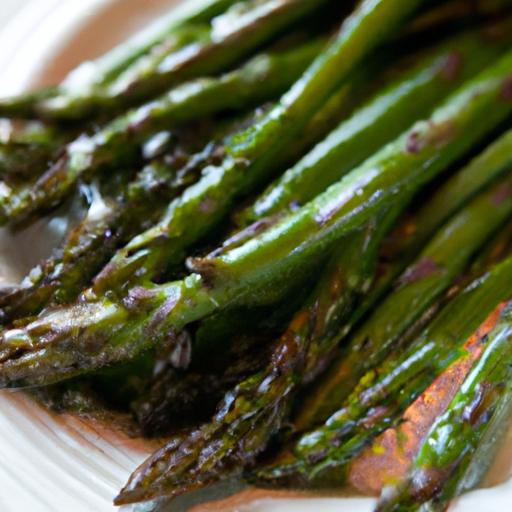

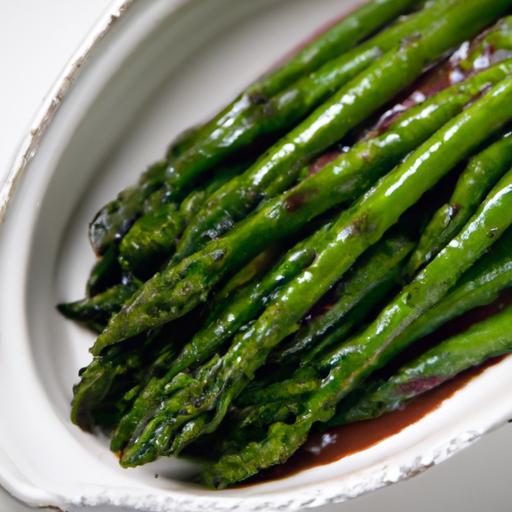
There’s a magical change that happens when asparagus meets the heat of an oven, emerging from crisp stalks to caramelized, tender bites bursting with complex flavors. Roasting asparagus is more than a simple cooking method-it’s where culinary art and food science entwine, unlocking layers of taste and texture that elevate this humble vegetable to new heights. In this article, we’ll delve into the secrets behind the perfect roast: from selecting the freshest spears to understanding the chemical reactions that create that irresistible golden crust. Prepare to discover how a little heat can turn asparagus into a vibrant symphony of flavor,making it the star of any meal.
Unlocking Flavor: The Art and Science of Roasted Asparagus
Unlocking flavor through perfectly roasted asparagus transforms a humble vegetable into a vibrant, crave-worthy side that dances on your palate. Originating as a springtime delicacy in Mediterranean and European kitchens, asparagus boasts a crisp yet tender texture when roasted correctly – a balance achieved by mastering every detail from stem selection to seasoning nuances.
Prep and Cook Time
- Preparation: 10 minutes
- Cooking: 12-15 minutes
- Total Time: 25 minutes
Yield
Serves 4 as a delightful side dish
Difficulty Level
Easy
Ingredients
- 1 lb fresh asparagus, trimmed and rinsed
- 2 tablespoons extra virgin olive oil
- 1 teaspoon sea salt
- ½ teaspoon freshly ground black pepper
- 1 teaspoon finely minced garlic (optional)
- 1 tablespoon fresh lemon juice
- 1 teaspoon finely chopped fresh thyme or rosemary
- ½ teaspoon smoked paprika (optional, for a smoky depth)
- Flaky sea salt for finishing garnish
Instructions
- Preheat your oven to 425°F (220°C).This high temperature is key for roasting asparagus to a perfect crispy tenderness, caramelizing natural sugars without sacrificing the vibrant green color.
- Select the asparagus by feeling the stalks. Look for firm, straight spears with tightly closed tips. Thicker stalks will hold up beautifully during roasting, while thinner ones roast faster but can become overly crisp.
- Trim about 1-2 inches from the woody ends. A simple snap at the base often breaks off the tough parts neatly without guesswork.
- Toss asparagus in a bowl with olive oil, salt, pepper, minced garlic, fresh herbs, and smoked paprika if using. The oil acts as a flavor carrier and helps develop that signature roast crispiness.
- Arrange the spears in a single layer on a rimmed baking sheet lined with parchment paper for easy cleanup. Overcrowding steams rather than roasts, so give space for hot air to circulate.
- Place the baking sheet in the oven on the middle rack. Roast for 12-15 minutes, turning once halfway through. Watch for tender stalks with slightly blistered tips-this signals peak roasting flavor and texture.
- remove from oven and immediately drizzle with fresh lemon juice and sprinkle with flaky sea salt to brighten and enhance the final dish.
- serve warm with optional garnishes such as toasted almonds, shaved Parmesan, or a light drizzle of balsamic glaze.
Tips for Success
- Choosing asparagus: Always pick firm and fresh stalks stored upright in water at your market or wrapped in damp paper towels at home to preserve crispness.
- Don’t skip high heat: Roasting below 400°F often results in limp, unevenly cooked spears. The intense heat caramelizes the natural sugars, unlocking the vegetable’s natural sweetness.
- Customize herbs and spices: Experiment with fresh tarragon, oregano, or even chili flakes for an exciting twist.
- Make ahead: Roast asparagus up to a day in advance. Store cooled spears in an airtight container and reheat quickly in a hot oven or sauté to revive crisp edges.
- for ultra crispy tips: Give the asparagus a light toss with a tablespoon of grated Parmesan in the last 5 minutes of roasting.
Serving suggestions to Elevate Presentation and Flavor
Roasted asparagus is a versatile canvas waiting to shine. Serve alongside a lemon-herb grilled chicken or pan-seared salmon for a balanced meal.For plant-based options, pair it with a quinoa pilaf or creamy polenta.Garnish with freshly grated lemon zest, toasted pine nuts, or a drizzle of herb-infused olive oil for vibrant pops of color and texture. To add a celebratory touch, a dollop of whipped ricotta or a light sprinkle of pomegranate seeds can make your plate pop with both flavor and elegance.

| Nutrient | Per Serving |
|---|---|
| Calories | 85 kcal |
| Protein | 3 g |
| Carbohydrates | 6 g |
| Fat | 6 g |
For an in-depth understanding of the health benefits and culinary versatility of asparagus, check out our related article Health Benefits of Asparagus: Nutritional Powerhouse and visit USDA’s nutritional database for comprehensive data.
Q&A
Q&A: Unlocking Flavor-The Art and Science of Roasted Asparagus
Q1: What makes roasted asparagus so uniquely flavorful compared to other cooking methods?
A: Roasting asparagus unlocks a captivating interplay of flavors through caramelization and Maillard reactions. The high, dry heat intensifies it’s natural sweetness and imparts a smoky, nutty depth that steaming or boiling simply can’t achieve. This process also crisps the tips while keeping the stalks tender-tender, creating a textural harmony that delights the palate.
Q2: What’s the science behind the transformation asparagus undergoes when roasted?
A: When asparagus hits the hot oven, its natural sugars start to caramelize, browning beautifully and developing complex flavor compounds. Together, amino acids and reducing sugars interact in the Maillard reaction, creating savory notes and that irresistible golden crust. Water inside the stalks evaporates, concentrating flavors, while the heat breaks down fibrous cell walls, softening the vegetable without losing its vibrant crunch.
Q3: How should you prepare asparagus to maximize flavor before roasting?
A: Start with fresh,firm stalks-thin to medium thickness works best for even cooking.Trim woody ends to prevent bitterness, then toss in a simple dressing of olive oil, salt, and pepper to promote caramelization. Adding citrus zest or a sprinkle of garlic powder can elevate the flavor profile, while spacing the spears evenly on the pan ensures each gets that signature crisp edge.
Q4: What temperature and timing are ideal for roasting asparagus?
A: A hot oven between 400°F and 450°F (200°C to 230°C) is your flavor forge. roasting for 12 to 15 minutes strikes a perfect balance-enough time for caramelization without drying out the stalks. For thinner spears,a slightly shorter time will preserve tenderness; thicker ones might need a minute or two longer for that melt-in-your-mouth texture.
Q5: Can you customize roasted asparagus with different flavors?
A: absolutely! Roasted asparagus is a versatile canvas. Toss it with balsamic glaze for sweetness, sprinkle with Parmesan for umami richness, or finish with fresh herbs like thyme or rosemary for aromatic complexity. Even a dash of chili flakes or smoked paprika can add a surprising kick, turning a simple side into a sensational experience.Q6: Why does roasted asparagus often taste better the next day?
A: as roasted asparagus cools or rests, its flavors continue to meld and deepen-a process akin to flavor “resting” in meats or stews. The residual heat allows the sugars to settle into a silky glaze, while the vegetable’s compounds harmonize. Chilled leftovers offer a delightful textural contrast and a more pronounced flavor punch-perfect for salads or quick snacks.
Q7: Any tips for preventing soggy asparagus when roasting?
A: Avoid overcrowding the pan, as excess moisture leads to steaming rather than roasting.Use a baking sheet with a rim to catch drips but leave plenty of space for airflow. Also, pat asparagus dry before oiling-it helps the oil cling better and encourages that loved-after crispness. If you really want crispy edges, try finishing with a brief broil at the end.
Unlocking the flavor of roasted asparagus is both an art and a science-where culinary intuition meets chemical magic. With these insights, every roast can become a vibrant celebration of this humble, elegant vegetable.
Final thoughts
As we close the chapter on the vibrant journey of roasted asparagus, it becomes clear that this humble vegetable holds a world of flavor just waiting to be discovered. By marrying the precise science of heat with the artful touch of seasoning, roasted asparagus transforms into a dish that delights both the palate and the senses.Whether you’re a seasoned chef or a curious home cook, unlocking the secrets of roasting asparagus invites you to savor every caramelized bite, revealing layers of taste that celebrate nature’s bounty. So next time you’re in the kitchen, let the magic of roasting elevate this simple stalk into a culinary masterpiece-because sometimes, the most remarkable flavors come from the simplest techniques.