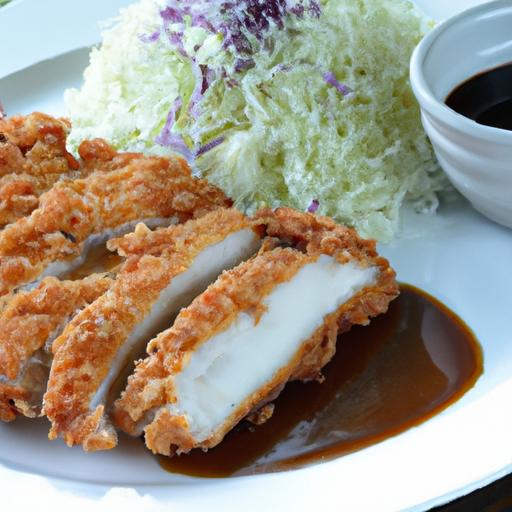

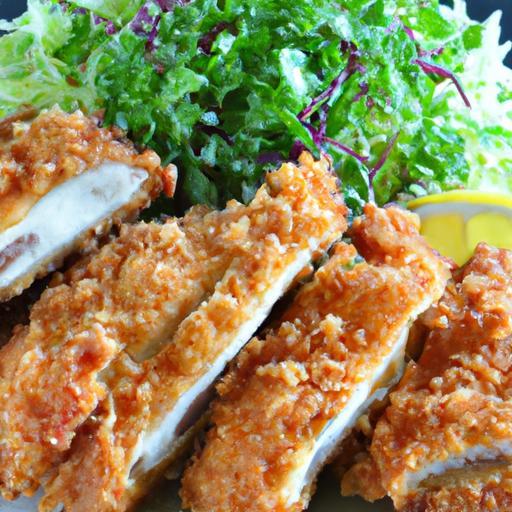
In the bustling streets of Japan, where culinary tradition meets modern innovation, a golden-brown marvel has captured taste buds around the globe: Chicken Katsu. This crispy delight, with its perfectly breaded exterior and juicy, tender interior, is more than just a meal-it’s a cultural phenomenon. From humble origins in Japanese kitchens to international menus, the Chicken Katsu craze is redefining comfort food with every crunchy bite.Join us as we peel back the layers of this savory sensation, exploring its history, preparation, and the irresistible charm that continues to make Chicken Katsu a beloved favorite worldwide.
Chicken Katsu Craze: Crispy delight from Japan’s kitchen
The Chicken Katsu Craze has captivated taste buds worldwide with its irresistible crunch and tender, juicy interior. This iconic Japanese dish, born from a fusion of Western fried cutlets and customary Japanese flavors, embodies the perfect harmony of texture and taste. The first time I bit into a freshly fried chicken katsu, the satisfying crispness paired with a tangy katsu sauce imprinted a lasting craving. This recipe will guide you through achieving that elusive perfectly crispy coating, while also diving into flavor pairings and exciting global twists that elevate this humble classic into a culinary masterpiece.
prep and Cook Time
- Preparation: 15 minutes
- Cooking: 15 minutes
- Total Time: 30 minutes
Yield
Serves 4 hearty portions
Difficulty Level
Medium – Great for confident home cooks looking to perfect their frying technique
ingredients
- 4 boneless, skinless chicken breasts (about 6 ounces each), pounded to ¼-inch thickness
- 1 cup all-purpose flour, sifted
- 2 large eggs, beaten
- 1 ½ cups panko breadcrumbs (Japanese-style for maximum crunch)
- Salt and freshly ground black pepper, to taste
- Vegetable oil (for frying, about 2 cups)
- For the sauce: ½ cup Tonkatsu sauce or homemade katsu sauce (mix ketchup, Worcestershire sauce, soy sauce, and a pinch of sugar)
- Optional garnish: finely shredded cabbage, lemon wedges, sliced scallions, and toasted sesame seeds
Instructions
- Prep the chicken: Season both sides of the chicken breasts evenly with salt and pepper. Use a meat mallet or rolling pin to gently pound until uniform in thickness; this ensures even cooking and tender results.
- Set up coating stations: Arrange three shallow dishes in a row – one with flour, one with beaten eggs, and one with panko breadcrumbs. Pat the chicken dry with paper towels to help the coatings adhere better.
- Coat the chicken: Dredge each piece in flour first, shaking off excess. Next, dip into the beaten eggs, making sure it’s thoroughly coated. press firmly into the panko breadcrumbs,covering evenly for that coveted crispy texture.
- Heat the oil: Pour vegetable oil into a large,heavy-bottomed skillet to a depth of about 1 inch. Heat over medium heat until the temperature reaches 350°F (175°C) or until a few breadcrumbs sizzle upon contact.
- Fry the chicken: carefully place coated chicken breasts into the hot oil without overcrowding. Fry until golden brown and crisp, about 4-5 minutes per side. Flip gently with tongs to avoid losing the coating. Adjust heat as necessary to maintain the oil temperature.
- Drain and rest: Transfer fried chicken to a wire rack set over a baking sheet or paper towels to drain excess oil. Rest for 3-5 minutes before slicing to retain juiciness.
- Plate and serve: Slice into strips and drizzle with katsu sauce or serve it on the side. Garnish with shredded cabbage, lemon wedges, and scallions for a fresh contrast.
Tips for Success
- Use panko breadcrumbs exclusively; their coarser,airy texture is key to achieving that signature crunch.
- Maintain steady oil temperature to prevent greasy or burnt coating.
- For a lighter version, try baking the chicken katsu at 425°F (220°C) on a wire rack for 20 minutes, flipping halfway through.
- Make katsu sauce ahead: It tastes even better after resting for a few hours in the fridge, allowing flavors to meld beautifully.
- Customize seasoning: Add garlic powder or smoked paprika to the flour for subtle flavor enhancements.
- Try substituting chicken with pork loin for classic tonkatsu, or tofu for a vegetarian spin.
Serving Suggestions for an Authentic Experience
To truly savor the Chicken Katsu Craze,pair your crispy cutlets with a side of steamed white rice or fluffy Japanese short-grain rice. A mound of finely shredded cabbage dressed lightly with rice vinegar adds refreshing crunch and balance to the fried richness. For a complementary dipping experience, serve with traditional tonkatsu sauce or a homemade tangy mustard-mayo blend. A wedge of lemon squeezed over the top brightens every bite.To elevate presentation, garnish with sliced scallions and toasted sesame seeds for a visually appealing plate that invites immediate indulgence.
Innovative Twists and Global Variations to Try at Home
Though this crispy delight originates from Japan’s kitchen, its versatility has inspired creative adaptations worldwide. For a Korean-inspired variation, dip your chicken in a spicy gochujang-infused batter before coating with panko. In Hawaii, Chicken Katsu is frequently enough served alongside macaroni salad, giving a playful, creamy contrast. For a fun fusion, wrap chicken katsu slices in nori with sushi rice for a crunchy katsu roll. Vegetarians can swap chicken for thick eggplant or portobello mushrooms, using the same panko technique for a hearty, meat-free choice. these innovative twists offer endless ways to keep this dish fresh and exciting while honoring its crispy heritage.

| Nutrient | Per Serving |
|---|---|
| Calories | 420 kcal |
| Protein | 38 g |
| Carbohydrates | 30 g |
| Fat | 16 g |
To dive deeper into Japanese comfort food classics, don’t miss our Traditional Tonkatsu recipe. For more culinary history and tips, check out the detailed guide on Japanese cuisine by Japan Guide.
Q&A
Q&A: Chicken Katsu Craze – Crispy Delight from Japan’s Kitchen
Q1: What exactly is Chicken Katsu?
A1: Chicken Katsu is a Japanese dish featuring tender chicken cutlets breaded with panko breadcrumbs and deep-fried to golden, crispy perfection. It’s a crunchy, juicy delight that offers a satisfying contrast between the crunchy exterior and the succulent meat inside.
Q2: where did Chicken Katsu originate?
A2: While Chicken Katsu has firmly rooted itself in Japanese cuisine, its origin traces back to the western-style fried cutlets, known as “katsu” (short for “katsuretsu”), introduced to Japan during the Meiji era. Over time,the Japanese made it their own,swapping pork for chicken to create a beloved local favorite.
Q3: What makes Chicken Katsu different from other fried chicken dishes?
A3: Unlike typical fried chicken coated in batter or flour, Chicken Katsu uses panko breadcrumbs, which are lighter and flakier. This gives katsu its signature airy crunch, elevating the texture far beyond the traditional crispy coating.
Q4: How is Chicken Katsu typically served in Japan?
A4: Chicken Katsu is often enjoyed as a main dish atop a bed of steamed rice, drizzled with savory tonkatsu sauce-a tangy, sweet-savory concoction. It can also be served as a sandwich filling (katsu sando) or sliced and paired with curry for the ever-popular katsu curry.
Q5: Why has Chicken Katsu become so popular internationally?
A5: The Chicken Katsu craze is all about texture and flavor-its crispy crunch combined with juicy chicken satisfies cravings across cultures. Plus, it pairs beautifully with various sauces and sides, making it a versatile appetizer or main course in many global fusion menus.
Q6: Can you make Chicken Katsu at home?
A6: Absolutely! All you need is chicken breast or thigh, panko breadcrumbs, eggs, and simple seasoning.The secret lies in double-coating the meat with flour, then eggs, and finally panko, followed by frying in hot oil until perfectly golden. Serve it fresh for that irresistible crunch.
Q7: What are some creative twists on traditional Chicken Katsu?
A7: Adventurous chefs have experimented with everything from spicy mayo drizzles and kimchi toppings to incorporating different proteins like tofu or seafood. gluten-free or oven-baked versions are also rising in popularity, catering to diverse dietary preferences without sacrificing that iconic crisp.
Q8: What’s the best way to enjoy Chicken Katsu when dining out?
A8: Pair your Chicken Katsu with classic sides such as Japanese rice, miso soup, pickled vegetables, or a fresh green salad. Don’t shy away from tonkatsu sauce, which complements the dish’s flavor like a culinary best friend-adding richness and a hint of tang to every bite.
Q9: How does Chicken Katsu fit into Japanese culture?
A9: Beyond its mouthwatering taste, Chicken Katsu represents Japan’s embrace and adaptation of Western cuisine, showcasing the country’s ability to fuse cultures into something uniquely flavorful.It’s a comfort food favorite that holds a nostalgic place in many Japanese households and restaurants.
Q10: Why is the Chicken Katsu craze here to stay?
A10: Its timeless appeal lies in that euphoric crunch and juicy bite combo, paired with endless versatility. As global palates continue exploring Japanese flavors, chicken katsu’s golden crunch keeps captivating hearts-and stomachs-worldwide, promising it’s more than just a trend; it’s a crispy legend in the making.
Final Thoughts
As the golden crunch of chicken katsu continues to captivate taste buds around the world, it’s clear that this humble Japanese dish is much more than just fried chicken. from its roots in Japan’s bustling kitchens to its status as a global comfort food favorite, chicken katsu embodies the perfect harmony of texture, flavor, and tradition. Whether you’re savoring it alongside steaming rice and tangy tonkatsu sauce or reinventing it with your own culinary twist, the crispy delight of chicken katsu invites us all to experience a bite of Japan’s rich and flavorful heritage. So next time you here the sizzle of panko hitting hot oil, remember-you’re not just enjoying a meal; you’re joining a worldwide craze that celebrates the art of crispy perfection.