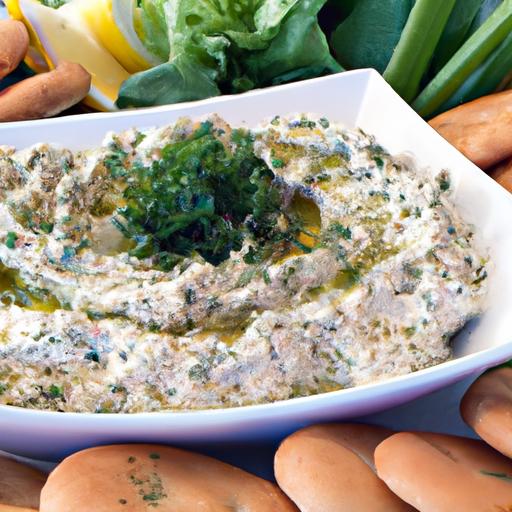

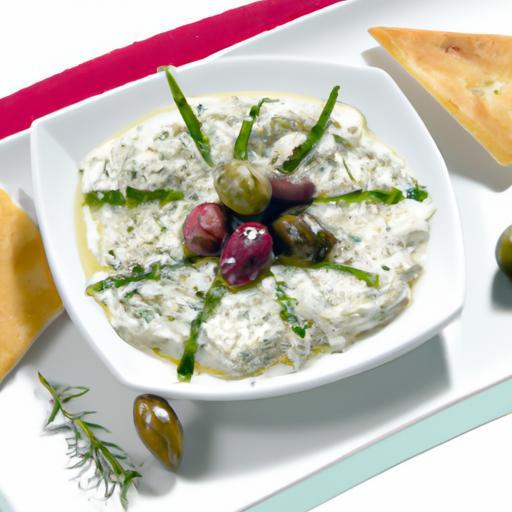
In the sun-drenched kitchens of Greece, where tradition meets vibrant flavors, a humble yet irresistibly creamy dip has earned its place at the heart of mediterranean cuisine. Tzatziki-a luscious blend of cool yogurt, crisp cucumber, fragrant garlic, and a hint of tangy lemon-offers more than just a refreshing taste. This beloved sauce carries with it stories of ancient customs,regional twists,and time-honored secrets passed down through generations. Join us as we unravel the rich history and art behind tzatziki, uncovering what makes this iconic Greek dip an enduring symbol of culinary delight and cultural heritage.
Tzatziki unveiled invites you on a sensory journey to the Mediterranean coastlines, where this refreshing yogurt and cucumber dip has been cherished for centuries. Its origins trace back to ancient Greece, where humble ingredients harmonized into a cooling elixir celebrated for both flavor and healing qualities. More than just a dip, tzatziki embodies Mediterranean warmth and vitality-a creamy, tangy, and herbaceous blend that elevates any meal or gathering.
Prep and Cook Time
- Preparation: 15 minutes
- Resting Time: 1 hour (for flavors to meld)
- Total: 1 hour 15 minutes
Yield
About 2 cups (serves 4-6 as a dip)
Difficulty Level
Easy – perfect for beginner cooks and seasoned home chefs alike
Ingredients
- 1 cup Greek yogurt (full-fat, strained for best creaminess)
- ½ large cucumber (peeled, seeded, and finely grated)
- 2 cloves garlic (minced finely or grated)
- 1 tablespoon extra virgin olive oil
- 1 tablespoon fresh lemon juice
- 1 tablespoon fresh dill (finely chopped)
- 1 teaspoon white wine vinegar (optional, for brightness)
- Salt to taste (start with ½ teaspoon)
- Freshly ground black pepper to taste
Instructions
- Prepare the cucumber: After peeling and seeding, grate the cucumber finely. Place it in a clean kitchen towel or cheesecloth and squeeze out as much moisture as possible. This step is crucial to avoid a watery tzatziki and maintain its creamy texture.
- Mix the base: In a medium bowl, combine the Greek yogurt, minced garlic, olive oil, lemon juice, and white wine vinegar if using. Stir until perfectly smooth and luscious.
- Add cucumber and herbs: Fold the well-drained cucumber and freshly chopped dill into the yogurt mixture.Season generously with salt and freshly ground black pepper to balance the flavors.
- rest and marry flavors: Cover the bowl with plastic wrap and refrigerate for at least one hour. This allows the flavors to harmonize beautifully and the garlic to mellow, developing the characteristic tzatziki depth.
- Final touch before serving: Stir gently before plating. Drizzle a little extra virgin olive oil over the top and sprinkle with a few whole dill sprigs or a pinch of smoked paprika for eye-catching contrast.
chef’s Notes: Tips for Success
- Strain your yogurt: For ultra-creamy tzatziki, use full-fat Greek yogurt strained for several hours with a fine sieve or cheesecloth to remove excess whey.
- Garlic intensity: Adjust garlic quantity to your preference-start small if you’re sensitive, as raw garlic can overwhelm.
- Cucumber prep: always remove the seeds and squeeze out moisture to preserve the dip’s thick texture; otherwise, it’ll turn watery quickly.
- Herb variations: Try fresh mint or parsley along with dill for a modern twist that brightens the flavor profile.
- Make ahead: Tzatziki tastes even better the next day! Keep refrigerated in an airtight container for up to 3 days.
Serving Suggestions: Pairing Tzatziki with Modern and Classic Dishes
The beauty of tzatziki lies in its versatility. Traditionally, it’s the essential companion to grilled meats such as gyros and souvlaki, cooling the palate after smoky charred flavors. But let your imagination roam-serve a generous spoon on a fresh pita bread alongside roasted vegetable wraps or dollop onto a vibrant Mediterranean grain bowl featuring farro, sun-dried tomatoes, and olives.
For an inspired appetizer, use tzatziki as a base dip for crisp pita chips, crunchy crudités, or even roasted chickpeas dusted with cumin. Garnish with a scatter of pomegranate seeds or a light sprinkle of smoked paprika for bursts of both color and taste.
Pair your tzatziki with grilled seafood-like calamari or shrimp-for an elevated, fresh finish, or add it to a sandwich spread layered with roasted eggplant and feta for a creamy contrast.

| Nutrient | Per 2 tbsp serving |
|---|---|
| Calories | 35 kcal |
| Protein | 2.5 g |
| Carbohydrates | 1.2 g |
| Fat | 2.3 g |
Explore more Mediterranean delights like our authentic Greek Souvlaki recipe and embrace the full culinary story. For past insights and interesting food heritage, check out this complete resource on Tzatziki history at Britannica.
Q&A
Q&A: Tzatziki Unveiled – The Creamy Greek Dip’s Story and Secrets
Q1: What exactly is tzatziki, and why is it so beloved?
A1: Tzatziki is a luscious, creamy dip hailing from the sun-soaked shores of Greece.Made primarily from strained yogurt, cucumber, garlic, olive oil, and fresh herbs like dill or mint, it’s a refreshing companion to everything from grilled meats to crusty bread. Its beloved status stems from its vibrant yet soothing flavor profile-a perfect harmony of tangy, cool, and garlicky notes that evoke Mediterranean summers in every bite.
Q2: Where does tzatziki come from, and how did it become a staple in Greek cuisine?
A2: Tzatziki’s roots run deep in the culinary traditions of the Eastern mediterranean and the Balkans, with precursors found in ancient recipes combining yogurt and herbs. The Greeks embraced and perfected it, turning tzatziki into an everyday staple. It’s more than a dip-it’s a symbol of Greek hospitality and the simple, fresh ingredients that define the cuisine, passed down through generations by families gathering around the table.
Q3: What makes authentic tzatziki stand apart from similar dips?
A3: Authentic tzatziki shines through its simplicity and quality. The secret lies in using thick, strained Greek yogurt (preferably made from sheep’s or goat’s milk), which lends it a rich creaminess without watering down the flavor. Freshly grated cucumber, carefully drained to remove excess moisture, ensures the dip remains thick instead of watery. A punch of crushed garlic, a drizzle of fruity extra virgin olive oil, and a sprinkle of fresh herbs elevate the humble ingredients into a symphony of taste.
Q4: How can you incorporate tzatziki beyond just a dip?
A4: Tzatziki is a versatile culinary chameleon. Beyond pairing it with gyros and souvlaki, it makes a cooling sauce for spicy dishes, a zesty spread on sandwiches or wraps, and even a creamy salad dressing when thinned with lemon juice. Some daring chefs drizzle it atop roasted vegetables or use it as a unique topping for baked potatoes. Essentially, wherever you want a fresh, tangy counterpoint, tzatziki can step in elegantly.
Q5: Are there common mistakes to avoid when making tzatziki at home?
A5: Absolutely! The biggest culprits are excess moisture and overpowering garlic. Not draining the cucumber well enough leads to a soggy, diluted dip. Always grate the cucumber and then squeeze it in a clean towel or strain it through cheesecloth. Also, garlic’s intensity should be balanced carefully; start with small amounts and taste as you go.Lastly, don’t skip chilling tzatziki before serving-letting it rest allows flavors to meld and deepen.Q6: Can tzatziki be adapted for dietary preferences?
A6: Yes! For those avoiding dairy, coconut or almond milk yogurts can mask as substitutes, though the texture and tang won’t be precisely customary. Vegan tzatziki can be crafted by combining plant-based yogurt with plenty of cucumber, garlic, and herbs. For low-fat versions, opt for fat-free or low-fat Greek yogurt, but be mindful that the dip’s luscious creaminess will be lighter.
Q7: What’s the cultural significance of tzatziki in Greece today?
A7: Tzatziki is more than just food-it’s part of Greece’s culinary identity and social fabric. It’s served at family dinners, village festivals, and lively tavernas alike, embodying the spirit of sharing and conviviality. Eating tzatziki is a taste of history, a connection to land and tradition that invites you to slow down and savor life the Greek way.
In essence, tzatziki is a creamy, cool ambassador of Greek heritage-a simple recipe with a story as rich as its flavor. Next time you scoop a spoonful,remember,some secrets lie not just in the kitchen,but in centuries of love and culture.
To Conclude
As the last dollop of tzatziki graces your plate, it’s worth savoring not just its cool, creamy tang but the rich history and tradition it carries within every bite. From humble origins among Greek shepherds to its place at modern tables worldwide, tzatziki is more than a dip-it’s a flavorful story of culture, community, and culinary artistry. Whether slathered on grilled meats, paired with fresh veggies, or simply enjoyed by the spoonful, this iconic sauce invites us all to share in a timeless tradition. So next time you reach for that bowl of tzatziki, remember: you’re not just tasting a dip-you’re savoring centuries of Greek heritage, perfectly blended into one unforgettable flavor.