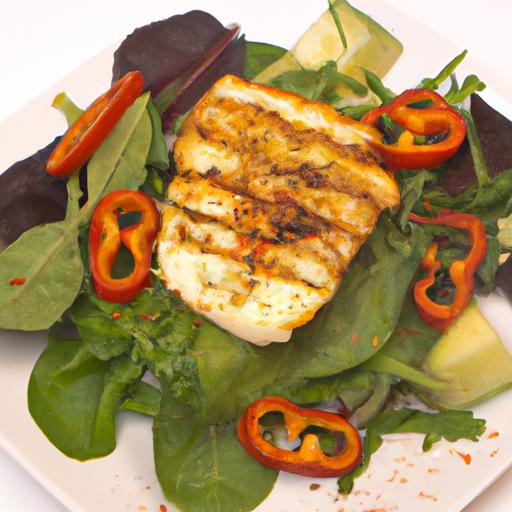

Golden, crispy, and irresistibly squeaky-halloumi is the cheese that’s sizzling its way from Mediterranean shores onto plates worldwide. Often dubbed the “grilling cheese,” halloumi’s unique texture and salty, savory flavour make it a culinary star both on the barbecue and in the skillet. But what exactly is this cheese that sears to perfection without melting away? In this article, we’ll unwrap the story behind halloumi, explore its rich heritage, and reveal why this sizzling cheese deserves a spot in your kitchen repertoire. Prepare to discover the secrets of halloumi’s charm and learn how to elevate your dishes with its mouthwatering magic.
Halloumi Unwrapped: The Sizzling Cheese You Need to Try captures the essence of one of the most unique cheeses from the Mediterranean. Originating from the sun-drenched island of Cyprus, halloumi has been cherished for centuries for its distinctive salty tang and a texture that withstands heat like no other. This cheese is a culinary marvel with a rich history, offering a squeaky, semi-firm bite that transforms into golden, crispy delights when cooked. Whether pan-fried,grilled,or baked,halloumi reveals an irresistibly satisfying crunch while maintaining a luscious,melty core,making it a perfect protagonist for dishes both simple and sophisticated.
Prep and Cook Time
- planning: 10 minutes
- Cooking: 8-10 minutes
- Total Time: 20 minutes
Yield
Serves 4 as an appetizer or 2 as a main course
Difficulty Level
Easy – Perfect for beginners and seasoned cooks alike
Ingredients
- 225g halloumi cheese, sliced into 1cm thick slabs
- 2 tbsp extra virgin olive oil
- 1 tbsp fresh lemon juice
- 1 tsp dried oregano
- Fresh cracked black pepper, to taste
- Fresh mint leaves, for garnish
- Optional: chili flakes or za’atar for an extra flavor kick
Instructions
- Prepare the halloumi: Pat the halloumi slices dry with paper towels to remove excess moisture. This step ensures a crispy crust when cooking.
- Heat the skillet: Warm the olive oil in a non-stick or cast iron skillet over medium heat. Allow the oil to shimmer but not smoke.
- Cook the halloumi: Place the halloumi slices in the pan carefully, leaving space between each piece. Sauté until golden brown and crisp on the first side, about 3-4 minutes. Flip gently using a spatula and repeat on the other side.
- Finish with seasoning: Remove the halloumi from the heat,drizzle with fresh lemon juice,sprinkle with dried oregano,and freshly cracked black pepper.
- Garnish and serve: Transfer to a serving plate and garnish generously with torn fresh mint leaves. Serve immediately for the best texture and flavor.
Tips for Success
- Slicing: Cut your halloumi no thicker than 1cm for the ideal balance between a crispy exterior and a soft, squeaky interior.
- Moisture matters: Always dry the cheese before cooking to avoid spattering oil and achieve that gorgeous golden crust.
- Heat control: Keep the skillet at medium heat to gently brown the cheese without burning it.
- flavor variations: Experiment with herbs like thyme, or add a dash of smoked paprika for a smoky twist.
- Make-ahead: Cooked halloumi can be refrigerated and gently reheated in a skillet or oven, although fresh is best!
Serving Suggestions
Serve your sizzling halloumi atop a bed of fresh arugula, drizzled with honey and sprinkled with toasted pine nuts for textural contrast. Pair with grilled vegetables or a vibrant tomato salad featuring kalamata olives and red onion. For a refreshing finish,add a wedge of lemon for squeezing.To embrace Mediterranean flavors fully, accompany this dish with warm pita bread or a side of tabbouleh, enhancing the fresh, herbal notes.
Pairing Halloumi Unwrapped: The Sizzling Cheese You Need to Try with Wines and Sides
The salty, firm nature of halloumi calls for wines with crisp acidity and light body. A cold glass of Assyrtiko or Sauvignon Blanc works beautifully,cutting through the richness while enhancing the Mediterranean freshness. For reds, a light Pinot Noir or Grenache complements without overpowering. Consider refreshing sides such as watermelon salad with fresh mint or a zesty lemon and herb quinoa for a balanced, colorful plate.

| Nutrient | Per Serving |
|---|---|
| Calories | 210 kcal |
| Protein | 15g |
| Carbohydrates | 2g |
| Fat | 17g |
To explore further Mediterranean-inspired cheeses and perfect your cheese board, check out our ultimate guide to Mediterranean cheeses.For a deep dive into halloumi’s rich cultural heritage, visit Britannica’s Halloumi page.
Q&A
Q&A: Halloumi Unwrapped – The Sizzling Cheese You Need to Try
Q1: What exactly is halloumi?
A1: Halloumi is a semi-hard, unripened cheese native to Cyprus, traditionally made from a blend of goat’s and sheep’s milk. Its name might sound exotic, but once you taste its salty, tangy, and slightly rubbery texture, you’ll understand why it’s beloved across mediterranean tables.
Q2: Why is halloumi called the “sizzling cheese”?
A2: Halloumi’s magic lies in its high melting point, which means it doesn’t melt into a gooey mess when cooked. Rather, it sizzles and browns beautifully on a hot grill or pan, developing a crispy golden crust while staying delightfully chewy inside. That sizzle is your cue that something delicious is underway.
Q3: How do you cook halloumi perfectly?
A3: Keep it simple! Slice the cheese into half-inch thick pieces, pat dry to remove excess moisture, and heat a dry skillet or grill pan until piping hot. Place the halloumi slices in the pan and let them cook for 2-3 minutes on each side. You’ll know it’s done when it’s golden brown and makes that irresistible crackling sound.
Q4: What dishes can I make with halloumi?
A4: the possibilities are endless! Try halloumi grilled and served atop salads, tucked into wraps, or paired with fresh watermelon and mint for a refreshing summer appetizer. It also shines when skewered with veggies or incorporated into Mediterranean-inspired breakfast plates.
Q5: Is halloumi suitable for vegetarians?
A5: Traditionally, halloumi is made using animal rennet, which some vegetarians avoid. Though, many modern producers now use vegetarian-friendly rennet. Always check the packaging if this is important to you!
Q6: Can I substitute halloumi with other cheeses?
A6: Halloumi’s unique grilling-friendly nature makes it hard to replace. paneer, a South Asian cheese, is a close cousin with similar cooking properties. Feta, while deliciously crumbly and tangy, won’t give you that signature sizzle and chew.
Q7: Where can I find halloumi?
A7: Look for halloumi in your supermarket’s specialty cheese section or Mediterranean markets. It’s often sold in vacuum-sealed packs or brine tubs to keep it fresh.
Q8: What makes halloumi so special to Mediterranean cuisine?
A8: Beyond its flavor and texture, halloumi embodies the essence of Mediterranean food culture-simple ingredients celebrated with vibrant, healthful, and joyful cooking. It’s a cheese that invites sharing, sizzling conversations, and mouthwatering moments.So, ready to unwrap the sizzling sensation? Grab some halloumi, fire up your grill, and let this cheese steal the spotlight in your kitchen!
To Wrap It Up
Whether you’re a cheese connoisseur or simply curious about culinary delights, halloumi offers a unique experience that’s as versatile as it is indeed delicious. From its sizzling, golden crust to its firm, salty bite, this Cypriot treasure has won hearts-and taste buds-worldwide. So next time you’re looking to elevate a meal, remember: halloumi isn’t just a cheese, it’s an invitation to savor something truly extraordinary. Unwrap it, grill it, and let the sizzling symphony begin. Your palate will thank you.