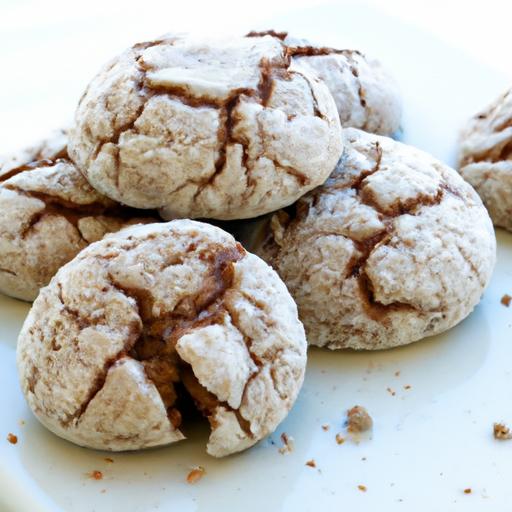

there’s a certain magic in the way crinkle cookies crack open during baking, revealing a tender, fudgy center beneath a delicate, powdered-sugar-dusted crust. These charming treats, with thier signature cracked surfaces, aren’t just a feast for the eyes-they’re a sensory party of texture and flavor. But what exactly causes those delightful fissures? And where did this beloved cookie originate? In this article, we’ll peel back the layers of crinkle cookies, exploring their history, the science behind their iconic cracks, and tips to bake your own batch of these irresistible goodies that capture both nostalgia and novelty in every bite.
The Science Behind the Signature Crinkle Effect
Crinkle cookies captivate us with their charming cracked surfaces, a visual signature that hints at a tender, chewy interior. This enchanting texture isn’t just luck-it’s the result of a precise balance between ingredients and baking technique.The crinkled pattern forms due to the dough’s exterior setting in the hot oven while the inside continues to expand, causing the delightful fissures. The key lies in using baking powder or a blend of leavening agents, which create carbon dioxide gas, expanding the dough under the surface tension set by sugar and flour. Additionally, chilling the dough firm before baking helps control the spread and promotes defined cracks.
Essential ingredients for Perfectly Soft and Cracked Cookies
- All-purpose flour (1 cup, sifted) – provides structure without heaviness, crucial for tender crumb.
- Cocoa powder (½ cup, unsweetened) – intensifies flavor and adds slight dryness for crack advancement.
- Baking powder (1 tsp) – the leavening powerhouse responsible for the signature cracks.
- Sugar (¾ cup granulated + ½ cup powdered) – granulated sugar encourages crisp edges, while powdered sugar softens the dough.
- Eggs (2 large, room temperature) – binder and moisture source that tenderizes the cookie.
- Vegetable oil or melted butter (⅓ cup) – fat that keeps the cookie soft and rich.
- Vanilla extract (1 tsp) - enhances depth of flavor.
- Salt (¼ tsp) – balances sweetness and fortifies flavor.
Step by Step Guide to Achieving the ideal Crinkle Texture
- Mix dry ingredients: In a bowl, whisk together the sifted all-purpose flour, unsweetened cocoa powder, baking powder, and salt.Ensure no lumps remain.
- Whip sugar and eggs: In a seperate large mixing bowl, combine granulated and powdered sugar with the eggs. Beat until the mixture is thick,pale,and slightly fluffy – about 3 minutes. This aeration is vital for a light crumb.
- Add fat and vanilla: Slowly mix in the vegetable oil (or melted butter) and vanilla extract until fully incorporated. The dough shoudl be moist but not runny.
- Combine wet and dry: Gradually fold the dry ingredients into the wet mixture using a spatula.Mix until just combined – overmixing will toughen the dough.
- Chill the dough: Cover the dough and refrigerate for at least 2 hours, preferably overnight. Chilling firms the dough, helping it spread evenly and crack beautifully in the oven.
- Preheat oven and prepare baking sheet: Set oven to 350°F (175°C) and line a baking tray with parchment paper.
- Form cookie balls: Using a spoon or cookie scoop, roll dough into 1 ½ inch balls. Coat each generously in powdered sugar to enhance the crackle appearance.
- Bake and watch magic happen: Arrange the cookies about 2 inches apart. Bake 10-12 minutes. The edges will set while the centers stay soft, causing the dough to expand and crack the sugared surface.
- Cool properly: Let cookies cool on the tray for 5 minutes before transferring to a wire rack. This prevents breaking the delicate cracks.
Creative Flavor Twists to Elevate Your Crinkle Cookie Experience
Once you master the classic crinkle cookie, use the base recipe as a canvas to invent exciting variations. Try adding freshly zested orange or lemon peel for a citrusy brightness that cuts through the chocolate richness. Stir in a handful of toasted pecans or walnuts to bring a satisfyingly crunchy texture. For a holiday twist, swap vanilla extract with peppermint or almond extract, creating festive flair. To boost indulgence, lightly fold in mini chocolate chips or chunks just before chilling the dough. These playful additions don’t just brighten the cookie-they elevate the whole sensory experience, making each bite memorable.
Prep and Cook Time
- Preparation: 20 minutes
- Chilling: 2 hours (preferred overnight)
- Baking: 10-12 minutes
- total Time: ~2 hours 30 minutes
Yield
Approximately 24 cookies, depending on size
Difficulty Level
Easy – Ideal for bakers of all skill levels
Ingredients
- 1 cup all-purpose flour, sifted
- ½ cup unsweetened cocoa powder, sifted
- 1 teaspoon baking powder
- ¾ cup granulated sugar
- ½ cup powdered sugar (plus extra for coating)
- 2 large eggs, room temperature
- ⅓ cup vegetable oil or melted butter
- 1 teaspoon pure vanilla extract
- ¼ teaspoon salt
Instructions
- Whisk dry ingredients together in a medium bowl: flour, cocoa powder, baking powder, and salt. Set aside.
- In a large bowl, beat eggs and sugars with an electric mixer on medium speed until pale, thick, and ribbon-like, about 3 minutes.
- Add oil and vanilla extract to the egg and sugar mix; blend until smooth.
- Gently fold dry ingredients into the wet mixture until just incorporated, avoiding overmixing.
- Cover the dough with plastic wrap and refrigerate for 2 hours or overnight to firm up.
- Preheat oven to 350°F (175°C) and line baking sheets with parchment paper.
- Shape dough into balls about 1 ½ inches in diameter, then roll each generously in powdered sugar until fully coated.
- Place on baking sheet with 2-inch gaps, bake for 10-12 minutes, until edges are set but centers look soft.
- Cool cookies for 5 minutes on the tray before transferring to a wire rack to cool completely.
Tips for Success
- Use room-temperature eggs to promote smooth mixing and even texture.
- Don’t skip chilling the dough-this slows spreading and enhances the crack pattern.
- Coating generously in powdered sugar not only adds sweetness but makes cracks stand out more dramatically.
- To keep cookies soft, store them in an airtight container with a slice of bread; the bread absorbs moisture and maintains softness.
- If the dough feels sticky, lightly flour your hands before rolling to prevent sticking, but avoid adding too much flour.
Serving Suggestions
present these cookies on a rustic wooden board dusted lightly with cocoa powder for a cozy, inviting display. Garnish with fresh mint leaves or a sprinkle of edible glitter to add sparkle for special occasions. Pair with a glass of cold milk, hot cocoa, or even a scoop of vanilla bean ice cream to transform the cookies into an irresistible dessert experience. Their soft interior and crisp sugar coating make crinkle cookies perfect for after-school snacks, gift boxes, or afternoon tea.
| Nutrient | Per Cookie (Approx.) |
|---|---|
| Calories | 110 |
| Protein | 1.5g |
| Carbohydrates | 18g |
| Fat | 4.5g |
For more ideas on chocolate-based treats,check out our Chocolate Dessert Recipes. To understand the chemistry of baking,visit King Arthur Baking’s Ingredient Science.

Q&A
Q&A: Crinkle Cookies – The Delightful Cracked-Surface Treats Explained
Q1: What exactly are crinkle cookies?
A1: Crinkle cookies are those charming, cracked-surface cookies that look like they’ve raced through a winter snowstorm! They’re soft, chewy treats with a signature powdered sugar coating that cracks open as they bake, revealing a rich, often fudgy interior.think of them as the edible equivalent of a delicate snowflake-each crack unique and inviting.
Q2: Why do crinkle cookies have that distinctive cracked surface?
A2: The cracks happen thanks to the magic of temperature contrast and dough texture. When the dough is rolled in powdered sugar and baked, the outside quickly forms a crust while the inside continues to expand.This causes the surface to crack open, creating those gorgeous fissures that give crinkle cookies their signature look.
Q3: Are crinkle cookies always chocolatey?
A3: While the classic chocolate crinkle cookie reigns supreme,crinkle cookies come in a variety of flavors. From lemon to red velvet, peppermint to pumpkin spice, the crackled exterior technique is versatile and embraces many flavor profiles. The core idea is the tender, moist interior beneath the snowy sugar coating.
Q4: What makes crinkle cookies so delightfully soft and chewy inside?
A4: It’s all in the ingredients and baking method! Crinkle cookies often include rich ingredients like cocoa, butter, and sometimes cream cheese or oil that keep the crumb moist. The dough is usually slightly underbaked or baked just long enough to set the edges but stay soft inside-perfect for that melt-in-your-mouth experience.
Q5: Can I make crinkle cookies at home? Any tips?
A5: Absolutely! The key steps are to chill your dough before rolling it, generously coat each ball in powdered sugar, and avoid overbaking. Chilling helps firm up the dough so the cookies hold their shape, while the powdered sugar creates that iconic crinkle effect. And most importantly-don’t peek too much, or you might miss the moment when the cracks start to form!
Q6: What makes crinkle cookies so popular during the holidays?
A6: Their snowy, frosted look evokes cozy winter vibes, making them a festive favorite.Plus, their soft, rich texture pairs perfectly with hot cocoa or tea by the fire. They’re not just cookies-they’re tiny winter wonders, delivering warmth and nostalgia with every bite.
Q7: Any fun variations to try once you’ve mastered the basic crinkle cookie?
A7: Without a doubt! Try adding chopped nuts, swirls of peanut butter, or a splash of espresso for mocha magic. Some bakers mix in dried fruits or a hint of orange zest for a citrus twist. You can even experiment with alternative coatings-try cinnamon sugar or cocoa powder for a new crackled aesthetic.
Q8: Where do crinkle cookies come from historically?
A8: The exact origin is a bit of a crumbly mystery, but many trace crinkle cookies back to European traditions, where similar crackled pastries have been made for centuries. The chocolate crinkle cookie we know and love likely emerged in American kitchens in the 20th century, evolving into a holiday staple embraced worldwide.
Dive into the world of crinkle cookies, and you’ll find more than just a cookie-you’ll uncover a cozy ritual, a visual delight, and a symphony of textures all cracked open in one joyful bite!
in Summary
Whether you’re a seasoned baker or a curious newcomer, crinkle cookies offer a perfect blend of visual charm and irresistible taste. Their signature cracked surfaces aren’t just a delightful aesthetic-they tell the story of a batter transformed by time, temperature, and technique. From rich chocolate to zesty citrus variations, these treats invite endless experimentation in the kitchen.So next time you crave a cookie that’s as fun to look at as it is to eat, remember the humble crinkle cookie: a little crackled wonder that proves sweetness can be both simple and spectacular.