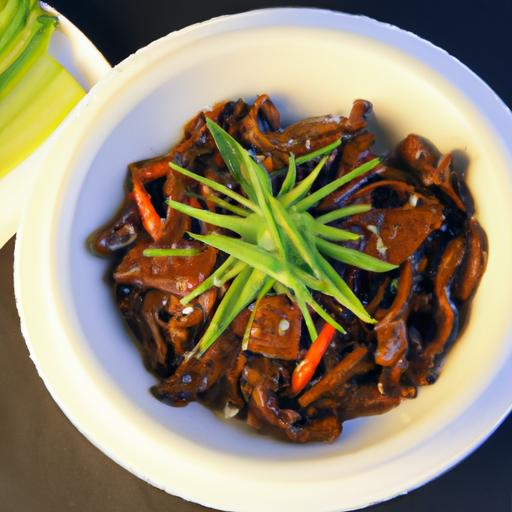

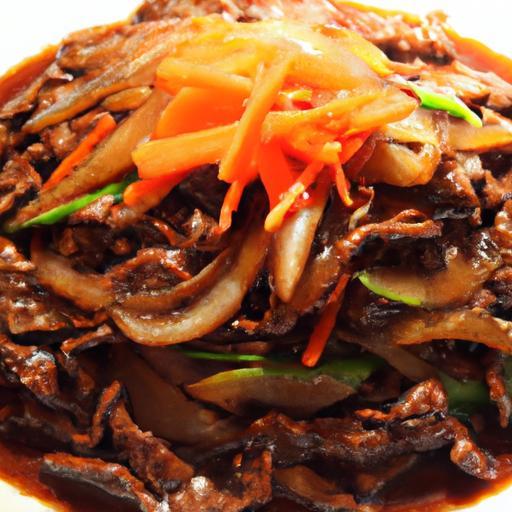
In the vast tapestry of global cuisine, few dishes carry the bold, sizzling allure of Mongolian beef-a mouthwatering symphony of tender strips of beef bathed in a glossy, savory sauce that dances on the palate. Yet, beyond the sizzling woks and fragrant spices lies a story as rich and layered as the dish itself. “Savor the Flavors: The Story Behind Mongolian Beef Delights” invites you on a flavorful journey that unravels the origins, cultural twists, and culinary secrets behind this beloved dish. From humble beginnings to international fame, discover how Mongolian beef transcended borders and became a staple that satisfies cravings and sparks curiosity alike.
Savor the Flavors: The Story Behind Mongolian Beef Delights begins with a captivating blend of tradition and innovation that elevates this iconic dish beyond its surface. Even though Mongolian Beef is frequently enough mistaken as a traditional Mongolian recipe, it actually originated in the Chinese-American culinary landscape of the 20th century, combining bold sauces with tender cuts of beef to create an unforgettable umami experience. This dish’s evolution reflects the fusion of East Asian flavors adapted to Western palates, resulting in sweet-savory stir-fries that have become staples in many households worldwide. its signature balance of caramelized soy-based sauce and succulent meat is what keeps food lovers coming back for more.
Savor the Flavors: Key Ingredients and Techniques That Define authentic Flavor
Authentic Mongolian Beef achieves its rich flavor through a few essential components.The star is thinly sliced flank steak, prized for its tenderness when cooked quickly over high heat. The sauce, a harmonious mix of soy sauce, hoisin, brown sugar, and garlic, creates a luscious, slightly sticky glaze that clings beautifully to the meat. Incorporating ginger adds a luminous spice note, while a splash of rice wine or dry sherry deepens the complexity. Using fresh scallions tossed in at the end adds a crisp freshness that contrasts the rich saucing.
Technique matters just as much as ingredients. A hot wok or skillet is crucial, enabling a rapid sear that locks in juices and creates a delightful caramelization. The beef must be patted dry before cooking to ensure even browning. Stir-frying quickly prevents the meat from toughening and preserves that tender bite Mongolian Beef enthusiasts cherish.
Prep and Cook Time
- Prep time: 15 minutes
- Cook Time: 10 minutes
- Total Time: 25 minutes
Yield
- Serves 4 generous portions
Difficulty Level
- Medium (some knife skills and timing needed)
Ingredients
- 1 lb flank steak, thinly sliced against the grain
- 3 tbsp vegetable oil (divided)
- 1 tbsp cornstarch
- 4 garlic cloves, minced
- 1 tbsp fresh ginger, finely grated
- ½ cup low-sodium soy sauce
- ¼ cup brown sugar, packed
- 2 tbsp hoisin sauce
- 2 tbsp rice wine or dry sherry
- 4 scallions, sliced on a bias
- 1 tsp crushed red pepper flakes (optional, for mild heat)
Instructions
- Prep the beef: Toss the thinly sliced flank steak in the cornstarch until each piece is lightly coated. This helps thicken the sauce and adds a silky texture to the meat.
- Heat 2 tbsp oil in a large wok or skillet over medium-high. When shimmering, add the beef in a single layer and stir-fry until just browned and cooked through, about 3-4 minutes. Remove to a plate and set aside.
- In the same pan, add remaining 1 tbsp oil. Sauté garlic and ginger until fragrant-about 30 seconds-to infuse the oil.
- Whisk together soy sauce, brown sugar, hoisin sauce, rice wine, and red pepper flakes in a small bowl. Pour into the wok and bring to a simmer,stirring often until sugar dissolves and sauce thickens slightly,about 2 minutes.
- Return the beef to the wok and toss thoroughly in the sauce, coating each slice evenly. Remove from heat once heated through but not overcooked.
- Toss in the sliced scallions and give a quick final stir for vibrant color and fresh crunch.
- Serve promptly over steamed jasmine rice or crispy noodles for that classic comfort-food appeal.
Tips for Crafting the Ultimate Mongolian Beef Experience at Home
- Choose the right cut: Flank steak or skirt steak thinly sliced ensures tenderness. Freeze for 30 minutes beforehand to ease slicing.
- Pat dry: Moisture is the enemy of a good sear. Dry beef ensures caramelization rather than steaming.
- High heat is essential: Use a heavy-bottomed pan or a wok at high temperature for that signature stir-fry char.
- Sauce balance: Adjust the brown sugar to suit your sweetness preference; some like it more molasses-rich, others a tad lighter.
- Make ahead: Sauce can be mixed up to 2 days in advance; keep refrigerated and bring to room temperature before use.
- Add texture: For a delightful twist, toss in toasted sesame seeds when garnishing.
pairing Perfection: Exploring Side Dishes and Beverage Complements
To complete your Mongolian Beef feast, think contrasts and complementary textures. Fluffy steamed jasmine rice is a classic base, but crispy fried rice or sautéd bok choy with garlic also shine. lightly pickled cucumbers or kimchi add a tangy layer to cut through the richness. For drinks, a chilled crisp lager or a slightly sweet Riesling works beautifully to cleanse the palate and highlight the sweet-savory harmony of Mongolian Beef.
Serving Suggestions
- Serve hot over a bed of jasmine rice or alongside crisp chow mein noodles.
- Garnish with vibrant sliced scallions and a sprinkle of toasted sesame seeds for visual appeal and extra flavor.
- Pair with stir-fried or steamed greens to add freshness and balance.
- Offer a wedge of lime for an optional zesty twist.
| Nutrient | Per serving |
|---|---|
| Calories | 320 kcal |
| Protein | 28 g |
| Carbohydrates | 18 g |
| Fat | 14 g |

For more delightful Asian-inspired creations, explore our ultimate chicken teriyaki recipe. To delve deeper into authentic stir-fry techniques from a trusted culinary authority,check out the Serious Eats stir-fry guide.
Q&A
Q&A: Savor the Flavors – The Story Behind Mongolian Beef Delights
Q1: What exactly is Mongolian Beef, and why is it so beloved?
A1: Mongolian Beef is a savory, slightly sweet stir-fry dish that features tender slices of beef coated in a glossy, flavorful sauce. Despite its name,it doesn’t actually hail from Mongolia but is a creation of Chinese-American cuisine. Beloved for its rich umami flavor balanced with a hint of sweetness and a satisfying caramelized texture, it’s a staple on menus worldwide that promises comfort in every bite.
Q2: If it’s not from Mongolia, where did Mongolian Beef originate?
A2: Mongolian Beef was popularized in taiwanese restaurants during the 1950s and later gained fame in the United States as Chinese-American cuisine expanded. The name is thought to be a marketing twist-evoking a sense of exotic flair and adventurous spirit-rather than a geographic indication.
Q3: What are the key ingredients that give Mongolian Beef its distinctive taste?
A3: The magic lies in a combination of tender beef strips, usually flank steak or sirloin, wok-seared to perfection. The sauce-made from soy sauce, hoisin sauce, brown sugar, garlic, and ginger-creates that addictive sweet and savory glaze. Scallions add a fresh sharpness, rounding out the dish with layers of flavor and texture.
Q4: How does the cooking technique contribute to the dish’s signature flavor?
A4: Stir-frying at high heat is essential. It sears the beef quickly, locking in juices and creating a slightly crispy exterior. Concurrently, the sugar in the sauce caramelizes, coating the meat with a luscious, shiny finish. This method also ensures the scallions retain a bit of crunch,adding contrast to the tender beef.Q5: Are there variations of Mongolian Beef that reflect different culinary traditions?
A5: Absolutely! While the classic version sticks to beef and scallions, some variations incorporate vegetables like bell peppers or broccoli for extra color and nutrition. Others experiment with adding chili flakes for heat or sesame oil for a nutty nuance. Home cooks and chefs alike delight in putting their own spin on this flexible favorite.
Q6: Why does Mongolian Beef continue to captivate food lovers globally?
A6: It’s a perfect harmony of flavor, texture, and aroma-comforting yet exciting. The dish balances sweet and savory notes while delivering tender, satisfying beef with just the right bite. Plus, its simple ingredients and straightforward technique make it accessible for home cooks craving resturant-style indulgence.
Q7: What’s the best way to enjoy Mongolian Beef?
A7: Traditionally paired with steamed white rice or fluffy fried rice, Mongolian Beef shines brightest when the sauce soaks into the grains. it also works beautifully alongside stir-fried vegetables or wrapped in a warm lettuce leaf for a low-carb twist. Whichever way you choose, savor each mouthful slowly to fully appreciate the layers of flavor.
Q8: Can Mongolian Beef be part of a healthy diet?
A8: Definitely! By selecting lean cuts of beef and moderating the sauce’s sugar content, Mongolian Beef can be a nutritious, protein-rich meal. Adding a generous serving of vegetables can boost fiber and vitamins, making it a balanced dish without compromising on taste.
Whether you’re a curious foodie or a seasoned chef, Mongolian Beef invites you on a journey of flavor that’s as rich in history as it is indeed in taste. So go ahead-savor the story and the tasty delight that is mongolian Beef!
To Wrap It Up
As the sizzling aroma of Mongolian beef fades from the kitchen, its story lingers-a rich tapestry woven from history, culture, and culinary artistry. Each tender bite is more than just a flavor; it’s a journey through time, a festivity of bold spices and skillful technique that transforms simple ingredients into an unforgettable delight. Whether you savor it at a bustling restaurant or recreate it in your own home, Mongolian beef invites you to taste a vibrant heritage, reminding us that food is not only nourishment but a delicious narrative waiting to be explored. So next time you indulge in this savory dish, take a moment to appreciate the story simmering beneath every mouthwatering morsel.