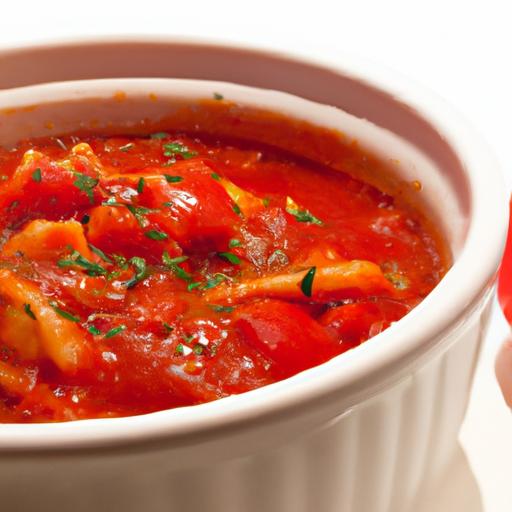

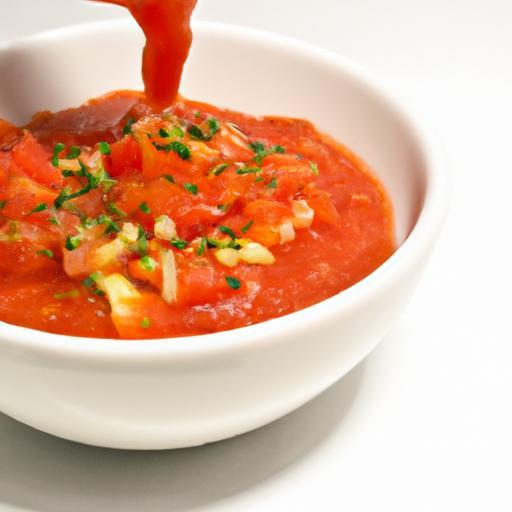
There’s something undeniably magical about a rich, velvety marinara sauce – the kind that clings to pasta with effortless grace, brings depth to a simple pizza, and transforms humble ingredients into a feast. Yet, despite it’s apparent simplicity, mastering the perfect marinara is an art that balances fresh tomatoes, fragrant herbs, and just the right touch of seasoning. In this guide,we’ll peel back the layers of this classic Italian staple,unveiling tips and techniques that will elevate your sauce from ordinary to extraordinary. Whether you’re a kitchen novice or a seasoned cook, prepare to unlock the secrets of a marinara that’s vibrant, flavorful, and utterly irresistible.
Mastering Marinara: Your guide to a Perfect Basic Sauce
Mastering marinara is both an art and a joy,transforming simple ingredients into a vibrant,comforting sauce that sings with every spoonful. The journey to this culinary treasure begins with selecting the finest tomatoes, whose richness and natural sweetness lay the foundation for a sauce that’s both bold and balanced.
Choosing the Finest Tomatoes for Rich Flavor
When it comes to creating a truly exceptional marinara, the quality of your tomatoes is non-negotiable. Opt for San Marzano tomatoes if you can find them-these Italian gems boast a naturally sweet flavor and fewer seeds, resulting in a smoother, more robust sauce. If fresh, vine-ripened heirloom tomatoes are available, they bring a complex depth of flavor that canned tomatoes can’t quite replicate.
Look for tomatoes that are firm but yielding slightly to gentle pressure, indicating ripeness without overripeness.Whether fresh or canned, avoid overly watery or pale tomatoes as they lack the concentrated flavors essential to marinara’s depth.
Unlocking the Secrets of Simmering for Depth and Balance
Gentle simmering is the secret behind the sauce’s beautifully layered flavors. Start by sautéing garlic and onions until translucent and fragrant, enhancing the sauce’s sweet and savory harmony. Add your tomatoes and gently simmer on low heat, stirring occasionally to prevent burning.
This slow cooking encourages the natural sugars in the tomatoes to caramelize, enriching the sauce with subtle hints of umami and a silky mouthfeel. Resist the urge to rush; a minimum of 30 minutes is ideal, but longer simmering (up to 90 minutes) can intensify the flavor complexity, creating that unmistakable depth and balance.
Herbs and Spices That Transform Your Sauce
A hallmark of marinara’s magic comes from the thoughtful layering of herbs and spices. Classic choices include fresh basil leaves added near the end of cooking, lending radiant herbal notes that awaken the palate. dried oregano and a pinch of red pepper flakes add warmth and subtle earthiness-adjust to your taste for a spicy kick or gentle seasoning.
for an extra dimension, try incorporating a bay leaf during simmering or a hint of fresh thyme for an aromatic twist. Remember, herbs should complement-not overpower-allowing your tomatoes to remain the star of the show.
Techniques for Achieving the Perfect Texture Every Time
texture is where mastery truly shines. A perfect marinara sauce is velvety but with enough body to cling beautifully to pasta or pizza crust. Use a wooden spoon to gently break down whole canned tomatoes during cooking or pulse briefly in a food processor for slightly chunkier texture. For an ultra-smooth finish, strain the sauce through a fine sieve.
A splash of good quality extra virgin olive oil stirred in at the end adds silkiness and depth. Additionally, if the sauce feels too acidic, a pinch of sugar or a small carrot grated into the simmer will balance the flavors without making it sweet.
Prep and Cook Time
- Preparation: 10 minutes
- Cook time: 45-60 minutes (depending on desired depth)
yield
Yields approximately 4 cups of marinara sauce, perfect for 4 servings of pasta or as a base for other dishes.
Difficulty Level
Easy to Medium – Ideal for home cooks looking to elevate their kitchen confidence.
ingredients
- 2 tablespoons extra virgin olive oil
- 1 medium yellow onion, finely chopped
- 4 cloves garlic, minced
- 28 oz whole peeled San Marzano tomatoes (or 6 fresh ripe tomatoes, peeled and chopped)
- 1 teaspoon sea salt
- 1/2 teaspoon freshly ground black pepper
- 1 teaspoon dried oregano
- 1/4 teaspoon red pepper flakes (optional)
- 6 fresh basil leaves
- 1 small carrot, peeled and finely grated (optional, for balancing acidity)
- 1 bay leaf
Instructions
- Heat the olive oil in a medium saucepan over medium heat until shimmering.
- Add the chopped onion and sauté until translucent and soft,about 5-7 minutes,stirring occasionally to avoid browning.
- Stir in the minced garlic and cook for 1 minute more, until fragrant but not browned.
- Add the whole peeled tomatoes with their juices. Use a wooden spoon to gently crush the tomatoes for a balanced texture.
- Incorporate the salt,pepper,dried oregano,red pepper flakes,grated carrot (if using),and bay leaf. Stir well to combine.
- Bring to a simmer, than reduce heat to low. Let the sauce simmer gently, uncovered, for 40-60 minutes, stirring occasionally to prevent sticking.
- In the final 5 minutes, toss in fresh basil leaves and stir to release their fragrant oils.
- Remove from heat, discard the bay leaf, and adjust seasoning to taste. If desired,add a splash of olive oil for extra silkiness.
Tips for Success
- Use San Marzano canned tomatoes for authentic flavor and less acidity.
- Allow slower simmering for richer flavor-patience pays off.
- To reduce acidity, add a pinch of baking soda carefully or include grated carrot early in cooking.
- fresh herbs added at the end preserve their brightness, while dried herbs shine during simmering.
- make-ahead: This sauce keeps beautifully in the fridge for 5 days or freezes well for up to 3 months.
Serving suggestions
This marinara sauce is stunning tossed with al dente spaghetti or layered in lasagna. for pizza, spread a thin even layer before adding toppings, ensuring a fresh, tangy base. Garnish with torn fresh basil and a drizzle of extra virgin olive oil to highlight its herbal freshness.
For an indulgent finish,sprinkle with freshly grated Parmigiano-Reggiano or Pecorino Romano cheese. Pair alongside a crisp green salad and crusty garlic bread for a truly comforting meal.

| Nutrient | Per 1/2 Cup Serving |
|---|---|
| Calories | 90 |
| Protein | 2g |
| Carbohydrates | 14g |
| Fat | 4.5g |
For deeper insights into Italian cooking fundamentals, read our Guide to Italian Cooking Basics.To learn more about the health benefits of tomatoes, visit ChooseMyPlate.gov.
Q&A
Q&A: Mastering Marinara – Your Guide to a Perfect Basic Sauce
Q1: What makes marinara sauce different from other tomato sauces?
A1: Marinara is the epitome of simplicity and freshness. Unlike long-simmered ragùs or hearty meat sauces, marinara is a quick-cooked, vibrant blend of ripe tomatoes, garlic, olive oil, and herbs.Its bright, punchy flavor and smooth texture make it a versatile pantry hero, perfect for pasta, dipping, or even as a pizza base.
Q2: Can I use canned tomatoes, or should I always opt for fresh ones?
A2: Fresh tomatoes bring a natural sweetness and brightness, but quality canned tomatoes-especially San Marzano-are a fantastic and convenient choice year-round. The canned variety is frequently enough picked and preserved at peak ripeness, ensuring consistent flavor with less prep time.
Q3: How do I achieve that perfect balance between acidic and sweet in marinara?
A3: The key lies in your tomatoes plus a gentle touch of sugar or carrot to tame acidity. Cooking the sauce just enough to mellow sharp edges without dulling freshness is essential. Also, a dash of salt enhances natural flavors, while a splash of olive oil rounds out the profile beautifully.
Q4: Is it necessary to peel and seed my tomatoes for marinara?
A4: Not mandatory, but peeling and seeding creates a silkier sauce free from bitterness and texture. If you prefer rustic charm and extra fiber, leaving skins and seeds intact is totally okay-just adjust cooking time to soften them properly.
Q5: What herbs should I use in a classic marinara?
A5: Keep it simple! Fresh basil and oregano are customary go-tos, adding aromatic depth without overpowering the tomato’s natural brightness. You can also experiment with a bay leaf during simmering or a pinch of red pepper flakes for subtle heat.Q6: How long should I cook marinara sauce?
A6: Marinara is all about a quick, lively simmer-typically 20 to 30 minutes. This prevents overcooking, preserving tomato freshness and vibrant color while allowing flavors to marry harmoniously.
Q7: can marinara sauce be made ahead and stored?
A7: absolutely! Marinara actually benefits from resting a night in the fridge, where flavors meld beautifully. It keeps well for up to a week refrigerated and freezes perfectly for months, making meal prep a breeze.Q8: How can I elevate my basic marinara to something special?
A8: Experiment with roasted garlic for a smoky twist, add a splash of red wine for complexity, or finish with a pinch of Parmesan rind during simmering. Each subtle addition can turn your marinara from simple to sensational without losing its essence.
Q9: is marinara sauce suitable for all kinds of pasta?
A9: Marinara’s versatility shines across shapes-twirl it with spaghetti, scoop on penne, or drizzle over gnocchi. Its light consistency pairs perfectly with delicate noodles as well as heartier varieties.
Q10: What common mistakes should I avoid when making marinara?
A10: Avoid rushing the simmer-undersimmered sauce can taste sharp; over-simmering dulls brightness. Don’t overload with too manny herbs; simplicity is key. Also, be patient with olive oil infusing the garlic, as burnt garlic introduces bitterness.
Mastering marinara is about embracing minimalism with intention-letting pure, fresh ingredients take centre stage. With these tips and a bit of practice, your sauce will sing with authentic Italian flavor every time. buon appetito!
In Conclusion
As you stir the final touches into your marinara, remember that mastering this simple sauce is more than just following a recipe-it’s about embracing tradition, patience, and a love for vibrant flavors. With your newfound know-how, the humble tomato transforms into a canvas for endless culinary creativity, from classic pastas to hearty casseroles. So, keep your spices balanced, your simmer steady, and your heart open to experimentation. In the kitchen, every batch of marinara is an invitation to savor the art of simplicity done perfectly. Here’s to countless dishes painted red with your signature touch. Buon appetito!