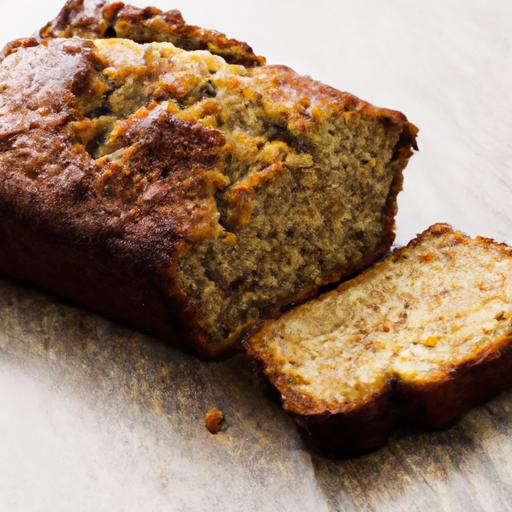

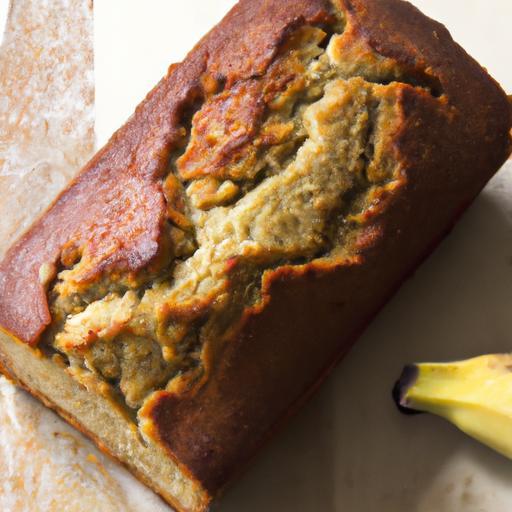
There’s something undeniably comforting about a slice of banana bread-its golden crust giving way to a tender, moist crumb that melts effortlessly on the tongue. But achieving that perfect balance between moistness and texture is no mere accident; it’s a delicate dance between art and science. From the ripest bananas bursting with natural sweetness to the precise interplay of ingredients and baking temperature, every step shapes the bread’s luscious character. In this article, we’ll peel back the layers of this beloved classic, exploring the culinary chemistry and creative techniques that transform humble ingredients into a loaf of banana bread that’s irresistibly moist, flavorful, and utterly unforgettable.
Banana bread becomes a symphony of texture and flavour when you truly understand the role of banana ripeness. Using perfectly overripe bananas transforms your loaf into a moist, tender masterpiece, as their deep sweetness and natural moisture create a backbone for an indulgently soft crumb. The trick lies in balancing ingredients that complement this luscious moisture, preserving a harmony of flavors while maintaining a delightfully tender texture throughout.
Prep and cook Time
Preparation: 15 minutes | Baking: 60 minutes | Total Time: 1 hour 15 minutes
Yield
Serves 8 generous slices
Difficulty Level
Easy
Ingredients
- 1 ½ cups all-purpose flour, sifted
- 1 teaspoon baking soda
- ¼ teaspoon fine sea salt
- 3 large overripe bananas (the blacker, the better), mashed
- ⅓ cup melted unsalted butter, cooled
- ¾ cup light brown sugar, packed
- 1 large egg, beaten
- 1 teaspoon pure vanilla extract
- ½ teaspoon ground cinnamon (optional, for warmth)
- ½ cup sour cream or Greek yogurt (for extra moisture)
Instructions
- Preheat your oven to 350°F (175°C). Grease and flour a 9×5-inch loaf pan or line it with parchment paper for easy release.
- In a medium bowl, whisk together the flour, baking soda, salt, and cinnamon until evenly combined.This ensures even leavening and flavor dispersion.
- In a large bowl, gently mash the overripe bananas with a fork or potato masher until smooth but still slightly chunky; a bit of texture adds character.
- Whisk in the melted butter
- Fold the dry ingredients into the banana mixture carefully, mixing just until there are no streaks of flour left. Overmixing develops gluten and toughens the crumb.
- Pour the batter into your prepared loaf pan, spreading it evenly with a spatula. For an inviting golden crust, sprinkle a few brown sugar crystals on top before baking.
- Bake for 55-60 minutes or until a toothpick inserted into the center comes out clean but moist with crumbs. Avoid overbaking to keep the bread incredibly soft.
- Remove from oven and cool in the pan for 10 minutes before transferring to a wire rack to cool fully. This resting period lets the residual steam distribute moisture evenly.
Tips for success
- Banana Selection: The focus keyword-banana ripeness-is critical. Bananas with a heavily spotted or fully blackened peel have the highest sugar content and moisture, guaranteeing optimal softness.
- Mixing Technique: Fold dry ingredients into wet gently to maintain tender texture. Overmixing activates gluten and leads to a denser loaf.
- sour Cream or Yogurt: Adds acidity and moisture that harmonizes beautifully with the sweet bananas, balancing flavor and preventing dry crumb.
- Temperature: Baking at a steady 350°F ensures the loaf cooks evenly without drying out or burning the crust.
- make-Ahead: Banana bread keeps well for 3 days at room temperature wrapped tightly and also freezes beautifully for up to 2 months.
Serving Suggestions
Serve slices warm with a pat of creamy butter or a drizzle of honey to enhance the banana’s natural sweetness. For a visually stunning presentation, sprinkle chopped toasted walnuts or pecans on top just before serving. Pair with a cup of rich coffee or spiced chai for a cozy breakfast or afternoon treat.

| Nutrient | Per Serving |
|---|---|
| Calories | 280 kcal |
| protein | 4 g |
| Carbohydrates | 45 g |
| Fat | 8 g |
For even more moist baking adventures, explore our guide on Moist Cake Techniques, or deepen your understanding of baking chemistry here at Cook’s Illustrated.
Q&A
Q&A: The Art and Science Behind Perfectly Moist Banana Bread
Q1: Why is banana bread so beloved around the world?
A1: Banana bread strikes the perfect harmony between comfort and indulgence.Its sweet aroma,tender crumb,and the nostalgic warmth it evokes make it a universal favorite. Beyond taste, it’s a clever use of overripe bananas, turning what might be waste into a tasty treat.
Q2: What makes banana bread moist rather than dry or crumbly?
A2: Moisture in banana bread hinges on the balance of wet and dry ingredients. Overripe bananas are the moisture champions-they bring both natural sweetness and hydration. Additionally, the right proportion of fats (like butter or oil) and liquids (such as yogurt or milk) lock in moisture. Overmixing the batter, however, can develop gluten and dry out the bread, so gentle folding is key.
Q3: How do bananas influence the texture of banana bread?
A3: Bananas contain pectin and natural sugars that tenderize the crumb and promote a soft, velvety texture. As they break down during baking, they add structure similar to eggs in some recipes, which reduces the need for excess flour and prevents heaviness.
Q4: Is it better to use mashed bananas or blended bananas?
A4: Mashed bananas are preferred becuase they create varied pockets of moisture and chunky texture, giving the bread an artisanal feel.Blending makes the batter too homogeneous, possibly resulting in a denser bread without distinct banana bursts.
Q5: What role does baking temperature play in achieving moist banana bread?
A5: A moderate oven temperature (around 350°F or 175°C) ensures even baking. too hot, and the bread’s exterior will overcook, starving the inside of moisture. Too low, and the bread may become gummy or fail to rise properly. The right temperature balances crumb setting and moisture retention.
Q6: Can additional ingredients affect the moisture level?
A6: Absolutely! Ingredients like sour cream and Greek yogurt add a silky texture and tangy complexity while boosting moisture. Nuts and dried fruits contribute flavor contrasts but can absorb moisture, so their quantities should be balanced to avoid a dry crumb.
Q7: How important is resting time before slicing?
A7: Very important! Allowing banana bread to cool completely or rest for at least 15-20 minutes lets steam redistribute evenly, preventing a gummy or overly moist center. Patience here rewards with slices that hold shape yet remain tender.
Q8: What’s the secret to balancing sweetness without overpowering the banana flavor?
A8: Because bananas become sweeter as they ripen,less added sugar is often needed. Using natural sweeteners or reducing sugar quantity lets the banana’s flavor shine, creating a more nuanced and rewarding taste experience.
Q9: How does the type of flour affect moisture?
A9: all-purpose flour provides a sturdy structure, but swapping in whole wheat or oat flour adds fiber and subtle flavors, often absorbing more liquid. This means you may need to increase wet ingredients slightly to maintain moistness.Q10: can you ever truly “perfect” banana bread, or does it depend on personal taste?
A10: While science can guide texture and moisture, perfection is subjective. Some prefer it dense and fudgy, others light and airy. The art lies in understanding the ingredients, mastering technique, and tailoring the loaf to your unique palate-a delicious journey rather than a fixed destination.
The Conclusion
As the final slice of perfectly moist banana bread disappears, we’re reminded that this beloved treat is more than just comfort food-it’s a harmonious blend of culinary artistry and scientific precision. From selecting the ripest bananas to mastering the balance of ingredients and baking times, every step crafts a loaf that delights both the palate and the soul. Whether you’re a seasoned baker or an adventurous novice, understanding the art and science behind banana bread elevates each bite into a party of flavor, texture, and tradition. So go forth, experiment boldly, and may your next loaf rise golden, tender, and irresistibly moist.