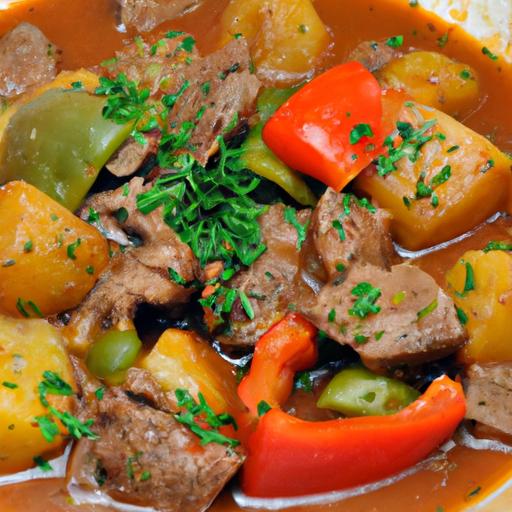

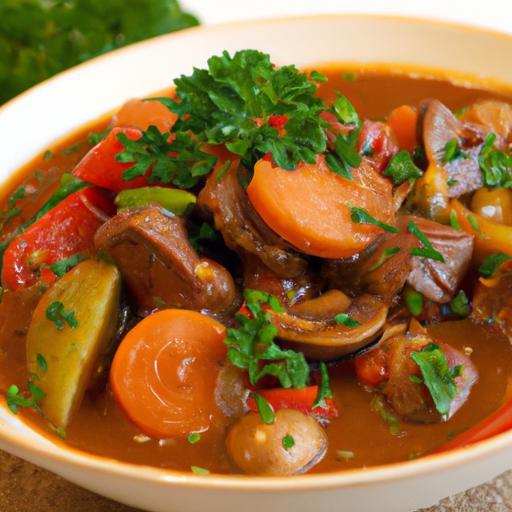
There’s something undeniably satisfying about a steaming bowl of beef and vegetable stew-a dish that wraps you in warmth like a cozy blanket on a chilly day. Bursting with tender chunks of beef, vibrant garden vegetables, and rich, savory broth, this hearty classic has long been a beloved staple in kitchens around the world. More than just a meal, it’s a festivity of comfort and nourishment, effortlessly blending robust flavors and wholesome ingredients into one soul-soothing experience. Whether you’re seeking a nostalgic taste of home or a simple yet satisfying dinner, this timeless stew invites you to slow down, savor each bite, and embrace the comforting magic simmering within the pot.
Hearty beef and vegetable stew is the ultimate comfort dish, one that fills your kitchen with warm, inviting aromas and delivers deep, satisfying flavors with every spoonful. Rooted in rustic traditions,this timeless stew combines the robust taste of perfectly chosen beef cuts with the vibrant freshness of seasonal vegetables,slow-cooked to achieve an unparalleled richness and tenderness. Whether it’s a chilly winter evening or any day that calls for soothing nourishment, this recipe promises a soul-warming experience.
Prep and Cook Time
- Preparation: 25 minutes
- Cooking: 2 hours 30 minutes
- Total Time: 2 hours 55 minutes
Yield
Serves 6 generously
Difficulty Level
Medium – Perfect for home cooks ready to master slow simmering
Ingredients
- 2 lbs beef chuck, cut into 1 ½-inch cubes
- 1 cup all-purpose flour, sifted
- 3 tbsp olive oil
- 1 large onion, diced
- 3 cloves garlic, minced
- 4 cups beef broth, low sodium
- 1 cup dry red wine (optional but recommended)
- 4 medium carrots, sliced diagonally
- 3 medium parsnips, peeled and chopped
- 2 cups Brussels sprouts, halved
- 2 large yukon Gold potatoes, cubed
- 2 tbsp tomato paste
- 2 sprigs fresh rosemary
- 3 sprigs fresh thyme
- 2 bay leaves
- Salt & freshly ground black pepper, to taste
- 2 tbsp butter
- fresh parsley for garnish
Instructions
- Prepare the beef: Pat the beef cubes dry, then toss in the sifted all-purpose flour seasoned lightly with salt and pepper. This coating creates a beautifully browned crust and thickens the stew’s broth.
- Sear the meat: In a heavy-bottomed Dutch oven, heat 2 tbsp olive oil over medium-high heat. Sear the beef in batches until every side is golden brown, about 4-5 minutes per batch.Remove and set aside to maintain that rich caramelization.
- Sauté aromatics: lower heat to medium, add the remaining 1 tbsp olive oil. Add the diced onion and cook until translucent, about 5 minutes. Stir in the minced garlic and cook for another 1 minute until fragrant.
- Deglaze and build flavor: Stir in tomato paste, cooking for 2 minutes to sweeten and concentrate flavor. Pour in the red wine, scraping up all browned bits from the pot’s bottom – this is where deep flavor begins to develop. Let the wine simmer,reducing by half,about 7 minutes.
- Add liquids and herbs: Return the beef to the pot along with any juices. Pour in the beef broth. Toss in the rosemary, thyme, and bay leaves. Bring to a gentle boil.
- Simmer low and slow: Reduce the heat to low, cover with a tight-fitting lid, and let the stew simmer gently for 1 ½ hours. This slow process breaks down connective tissues producing exceptional tenderness and luscious richness.
- Incorporate vegetables: Add the carrots, parsnips, potatoes, and Brussels sprouts. Continue simmering, partially covered, for an additional 45 minutes until all the vegetables are tender yet hold their shape.
- Finish and adjust seasoning: Remove herb sprigs and bay leaves. Stir in butter for a velvety finish, then season generously with salt and fresh black pepper. Let the stew rest off heat for 10 minutes before serving – this allows flavors to fully meld.
Tips for Success
- Choosing the cut: Opt for beef chuck or brisket for their balance of marbling and connective tissue, unlocking deep flavor and fork-tender texture during slow cooking.
- Vegetable selection: Use seasonal root vegetables like parsnips and Brussels sprouts to add earthy sweetness and a boost of nutrients that elevate warmth and texture.
- Wine substitute: If you prefer not to use wine, a splash of balsamic vinegar or extra broth will suffice to impart acidity and complexity.
- Make ahead: This stew tastes even better the next day. Refrigerate and gently reheat on the stovetop, adding a splash of broth if necessary.
- Thickening the broth: If a thicker consistency is desired, stir in a slurry of cornstarch and cold water during the last 10 minutes of cooking.
Serving Suggestions
Serve your hearty beef and vegetable stew steaming hot, ladled into rustic bowls. Garnish with freshly chopped parsley and a dollop of crème fraîche or sour cream for a creamy contrast. Pair with warm, crusty bread or flaky puff pastry to soak up every drop of the luscious broth. For an extra layer of rustic charm and texture, sprinkle toasted pine nuts or cracked black pepper on top.

Nutrition Information
| Per Serving | Calories | Protein | Carbohydrates | Fat |
|---|---|---|---|---|
| Hearty Beef and Vegetable Stew | 420 kcal | 38 g | 20 g | 18 g |
Discover more comforting recipes in our Slow Cooker Recipes Collection and explore the science of braising at Serious Eats to master every technique behind tender, flavorful stews.
Q&A
Q&A: Hearty Beef and Vegetable Stew – A Warm Comfort Classic
Q1: What makes a beef and vegetable stew “hearty” and comforting?
A1: A hearty beef and vegetable stew is all about richness and depth. Tender chunks of beef slowly simmered to melt-in-your-mouth perfection, combined with an array of wholesome vegetables, create a meal that comforts the soul. The slow cooking process allows the flavors to meld into a thick, savory broth that warms you from the inside out-true culinary comfort in a bowl.
Q2: Which cuts of beef are best for making a stew?
A2: Tougher cuts like chuck, brisket, or round are the champions of stew-making. These cuts have more connective tissue and marbling, which break down over long cooking times, turning the meat unbelievably tender and flavorful. Skip the lean steaks here; tougher is better for that melt-in-your-mouth texture.
Q3: What vegetables should I include to achieve that classic stew vibe?
A3: The classic medley usually involves carrots, potatoes, onions, and celery-a holy quartet of comfort food. These veggies absorb the rich broth and add texture and natural sweetness. You can also mix in parsnips, turnips, peas, or even mushrooms to boost earthy undertones and deepen the flavor profile.
Q4: How can I make the stew broth flavorful and thick without using flour or cornstarch?
A4: Building flavor starts with browning your beef to develop a caramelized crust, then deglazing the pot with red wine, broth, or even a splash of balsamic vinegar to lift those browned bits off the pan bottom. Simmering the stew slowly allows collagen from the meat and vegetables to thicken the broth naturally, resulting in a velvety texture without extra thickeners.
Q5: Is this stew suitable for meal prepping and freezing?
A5: Absolutely! Beef and vegetable stew actually tastes better the next day, as the flavors deepen overnight. It freezes beautifully in airtight containers, making it a perfect make-ahead meal for busy weeks. Just thaw gently and reheat on the stove-comfort food readiness on demand.Q6: any tips for customizing the stew to personal tastes?
A6: Feel free to experiment with herbs like thyme, rosemary, or bay leaves to add aromatic layers. For a smoky twist, add a dash of smoked paprika or a splash of soy sauce for umami richness. If you want it spicier, a pinch of cayenne or chili flakes can bring warmth that dances on the palate. The beauty of stew lies in its versatility-you can make it truly your own.
Q7: What dishes pair well with a hearty beef and vegetable stew?
A7: This stew is a meal on its own, but it shines alongside crusty artisan bread to mop up every luscious drop. Creamy mashed potatoes or buttered noodles make a cozy bed for the stew,while a crisp green salad can offer a refreshing contrast to the stew’s richness.
Q8: Can this recipe be adapted for slow cooker or Instant Pot?
A8: Definitely! For the slow cooker, brown the beef first for best results, then toss everything in and let it cook on low for 6-8 hours. If you’re racing against the clock, the Instant Pot can produce tender, flavorful stew in under an hour using the pressure-cook setting. Both methods yield a comforting bowl of goodness with minimal fuss.
To Conclude
As the aroma of tender beef and simmered vegetables fills your kitchen,remember that this hearty stew is more than just a meal-it’s a timeless comfort,a savory embrace on chilly days,and a celebration of simple,nourishing ingredients. Whether served fresh from the pot or enjoyed as delightful leftovers, this classic stew invites you to slow down, savor each bite, and share warmth with those around your table. So next time the weather turns cold or your soul craves a cozy hug in a bowl, let this beef and vegetable stew be your go-to recipe for comfort and connection.