
Beneath its velvety surface adn subtle blend of chickpeas,tahini,and olive oil,hummus harbors a story as rich and layered as its flavor. More than just a creamy dip or a simple spread, this beloved Middle Eastern staple has journeyed through centuries, cultures, and cuisines-connecting communities and palates alike. In “Hummus Uncovered: The Creamy Delight’s Rich History & Uses,” we embark on a savory exploration, peeling back the layers of hummus’s past and discovering the many ways it continues to enrich tables around the world. Prepare to dive spoon-first into a tale that is as nourishing as it is appetizing.
Hummus Uncovered: the journey of this creamy delight begins in the ancient Middle East,where it has been cherished as both a humble staple and a celebratory dish for centuries. Originating from the Levant region, hummus carries the stories of generations, blending the rich agricultural heritage of chickpeas, tahini, and olive oil. Its silky texture and earthy flavor evoke memories of sunlit markets, family gatherings, and the art of simple yet profound culinary craftsmanship. Whether enjoyed as a dip, spread, or accompaniment, mastering hummus reveals a world of versatility and tradition wrapped in one luscious bite.
Prep and Cook Time
- Readiness: 15 minutes
- Cooking (if using dried chickpeas): 60-90 minutes
- Total time: Approximately 1 hour 30 minutes (or 15 minutes using canned chickpeas)
Yield
Serves 4-6 people
Difficulty Level
Easy to Medium
Ingredients
- 1 ½ cups dried chickpeas (soaked overnight) or 2 (15 oz) cans of cooked chickpeas, drained and rinsed
- ½ cup tahini (well-stirred sesame paste)
- ¼ cup fresh lemon juice (about 2 lemons)
- 3 tablespoons extra virgin olive oil, plus more for garnish
- 3 garlic cloves, peeled and minced
- 1 teaspoon ground cumin
- ½ to ¾ teaspoon fine sea salt, adjust to taste
- ¼ to ½ cup ice-cold water, to achieve desired creaminess
- Smoked paprika or sumac for garnish (optional)
- Fresh parsley, chopped for garnish
instructions
- Prepare chickpeas: If using dried, drain soaked chickpeas and transfer to a pot. Cover with water and simmer gently for 60-90 minutes until chickpeas are tender but not falling apart. Skim any foam and skins that rise during cooking. Drain and cool slightly.
- Peel chickpeas (optional for creamier texture): Gently pinch each chickpea to remove skins. This step is tedious but results in luxuriously smooth hummus.
- combine ingredients: In a food processor,add cooked or canned chickpeas,tahini,fresh lemon juice,minced garlic,cumin,and salt.
- Blend and stream in water: Pulse the mixture, slowly drizzling ice-cold water and olive oil in while processing. scrape down the sides as needed. Continue blending until the hummus is silky and fluffy.
- Taste and adjust: Test for seasoning,adding more lemon,salt,or garlic as preferred. The balance of tanginess and garlic warmth shoudl feel vibrant yet smooth.
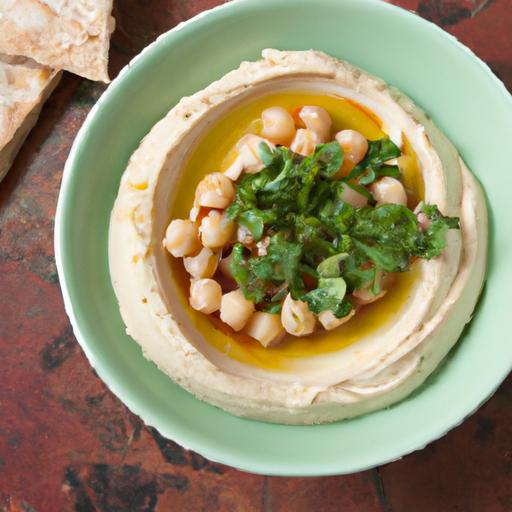
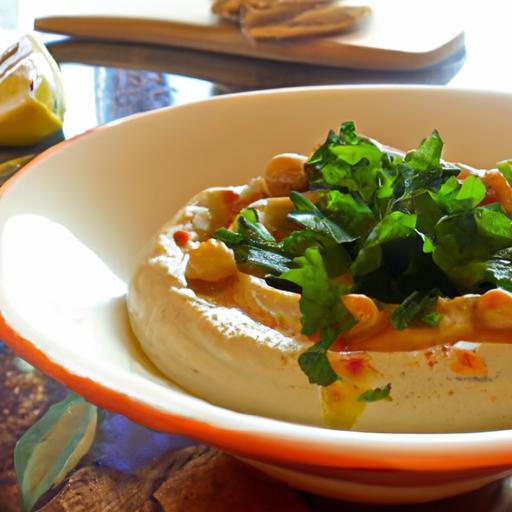
- Plate and garnish: Spoon the hummus into a shallow bowl, creating a swirl with the back of a spoon. Drizzle with high-quality olive oil and sprinkle smoked paprika or sumac alongside fresh parsley for a colorful presentation.
Tips for Success
- Soaking chickpeas overnight softens them for quicker cooking and creamier hummus.
- Ice-cold water is key to incorporating air and lightness, preventing dense or gluey textures.
- Tahini quality matters: Choose well-stirred, pale, and fresh tahini-dark or bitter varieties can overpower the balance.
- Make ahead: Hummus flavors deepen after resting overnight in the fridge. Store in an airtight container and bring to room temperature before serving.
- For a smokier twist, add a touch of roasted red pepper or smoked paprika blended in.
- Substitutions: For a nutty variation, try swapping half the tahini for almond butter for a unique flavor dimension.
Serving Suggestions
Serve hummus as a centerpiece of your table with warm, freshly grilled pita bread, crunchy vegetable crudités like carrots and cucumbers, or as a creamy layer inside sandwiches and wraps. It makes an exquisite base for mediterranean bowls or a delightful partner to roasted lamb, grilled chicken, or falafel. garnishing with whole chickpeas,za’atar spice,or a sprinkle of toasted pine nuts enhances both texture and aroma,transforming each bite into a sensory journey. A final drizzle of fruity extra virgin olive oil adds an irresistible sheen and silky mouthfeel.

Nutrition Facts
| Nutrient | Per Serving (¼ cup) |
|---|---|
| Calories | 140 |
| protein | 5 g |
| Carbohydrates | 12 g |
| Fat | 8 g (mostly healthy fats) |
| fiber | 4 g |
Explore more Mediterranean delights in our mediterranean recipes collection and deepen your culinary repertoire. For a deep dive into hummus history and regional variations, visit the Encyclopaedia Britannica’s hummus entry for trusted insights.
Q&A
Q&A: Hummus Uncovered – The Creamy Delight’s Rich History & uses
Q1: What exactly is hummus, and where does it come from?
A1: Hummus is a velvety, creamy spread made primarily from cooked chickpeas blended with tahini (sesame seed paste), olive oil, lemon juice, garlic, and a touch of salt. this Middle Eastern classic dates back thousands of years, with its roots tracing to the Levant region-modern-day Lebanon, Syria, Palestine, and Israel. Though its exact origin is debated, ancient recipes suggest hummus has been nourishing people for centuries as a staple and comfort food.
Q2: why has hummus become so popular worldwide?
A2: Beyond its irresistible creaminess and nutty flavor, hummus appeals to modern palates as it’s nutritious, versatile, and plant-based. Rich in protein, fiber, and healthy fats, it fits perfectly into vegetarian, vegan, and health-conscious diets. Its global popularity is also fueled by the rise of Mediterranean cuisine and increasing awareness of diverse cultural foods.
Q3: How did hummus’s recipe evolve over time?
A3: While the core ingredients of chickpeas and tahini remain constant, variations have blossomed through centuries and across regions.Some recipes might add spices like cumin or paprika, others incorporate roasted red peppers, sun-dried tomatoes, or even avocados for a trendy twist. This evolution showcases hummus’s ability to adapt while maintaining its identity as a creamy delight.
Q4: What are conventional and creative ways to enjoy hummus?
A4: Traditionally, hummus is served as a dip alongside warm pita bread, fresh vegetables, or as part of a meze platter. Though, its uses are limited only by imagination! Try it as a sandwich spread, a topping for roasted veggies, a base for grain bowls, or even as a creamy salad dressing. hummus can transform a simple snack into a flavorful, wholesome experience.
Q5: Can making hummus at home compete with store-bought versions?
A5: Absolutely! Homemade hummus allows you to tailor flavors to your liking-more garlic, a splash of smoky paprika, or a zesty lemon punch. Freshly made hummus frequently enough wins on texture and vibrancy, turning the process into a creative kitchen adventure. Plus, it’s a satisfying way to connect with a food tradition that spans continents and centuries.
Q6: What cultural significance does hummus hold in the Middle East?
A6: More than just a dish,hummus embodies hospitality,tradition,and community in Middle Eastern cultures. Sharing hummus around the table is a gesture of friendship and warmth. Its enduring presence in meals symbolizes a shared heritage, bridging families and neighbors through simple, wholesome nourishment.Q7: How can beginners start incorporating hummus into thier meals?
A7: Start by swapping out less healthy spreads for hummus-think toast with hummus and sliced tomatoes instead of butter or mayo. Use hummus as a dip for carrots and cucumber for a nutritious snack. Gradually experiment with recipes that highlight hummus as a starring ingredient, like hummus pasta sauce or hummus-stuffed peppers. With each taste, you’ll discover new layers of this creamy delight.
Unlocking the story behind hummus not only deepens our appreciation for its creamy richness but invites us to celebrate a timeless culinary treasure shared across cultures and generations. Ready to scoop,spread,and savor? The journey of hummus awaits!
insights and Conclusions
From ancient Middle Eastern tables to modern-day kitchens around the globe,hummus has journeyed far beyond its humble origins.This creamy, comforting blend is more than just a dip-it’s a culinary ambassador woven with stories of tradition, culture, and innovation. Whether enjoyed as a simple snack, a flavorful spread, or a nutritious ingredient in diverse dishes, hummus continues to invite us to savor its rich past while inspiring new twists on a timeless favorite. So next time you scoop up that velvety goodness, remember: every bite is a delicious connection to centuries of history and a world of possibilities waiting to be explored.