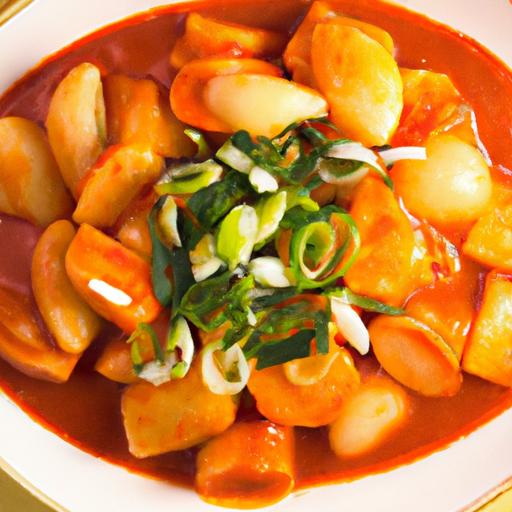

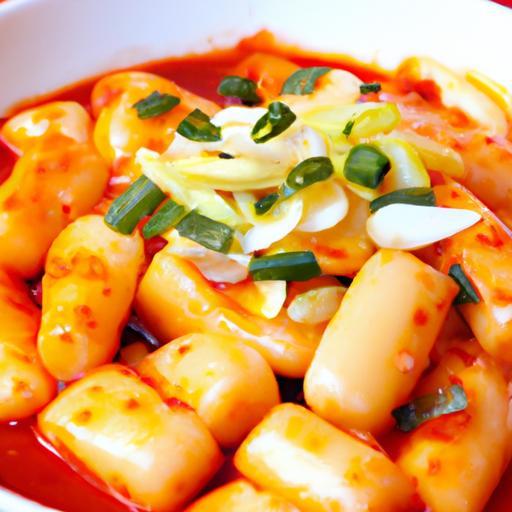
In the bustling streets of Korea, amid the kaleidoscope of sizzling street food stalls, one dish reigns supreme with its fiery charm and chewy allure: tteokbokki. This vibrant red-hued snack, frequently enough spotted bubbling in spicy sauce, is far more than just a popular treat-it’s a culinary symbol steeped in history, culture, and communal warmth. “Tteokbokki Unveiled: Korea’s Spicy Rice Cake Delight Explained” takes you on a flavorful journey into the heart of this beloved dish, unraveling its origins, ingredients, and the secret behind its irresistible kick. Whether you’re a seasoned foodie or a curious newcomer, prepare to discover how a humble rice cake transformed into Korea’s iconic comfort food sensation.
Origins and Evolution of Tteokbokki in Korean Cuisine
Tteokbokki is a beloved Korean comfort food that has evolved from royal court cuisine to the vibrant street food staple it is indeed today. Originally known as gungjung tteokbokki, this dish was a savory rice cake stir-fry flavored with soy sauce, enjoyed exclusively by Korean royalty during the Joseon dynasty.The spicy version we recognize emerged around the 1950s, when affordable gochujang (Korean chili paste) became widely available, transforming tteokbokki into a fiery, slightly sweet, and addictive street food sensation.
Through decades, tteokbokki has transcended its humble origins, inspiring numerous creative variations – from creamy cheese-infused versions to seafood-laden feasts. This evolution reflects both Korea’s dynamic food culture and its openness to fusion innovations, making tteokbokki a dish that resonates with all generations.
Key Ingredients That Define Authentic Spicy Rice Cakes
to create authentic spicy rice cakes that truly embody tteokbokki’s legendary flavors, a few core ingredients are essential:
- Garaetteok (cylindrical Korean rice cakes) – the chewy, tender texture is indispensable.
- Gochujang (Korean red chili paste) – provides the signature balance of heat, sweetness, and umami.
- gochugaru (Korean chili flakes) – adds depth and smokiness to the spice profile.
- Soy sauce – for savory undertones.
- Sugar – balances the heat with subtle sweetness.
- Anchovy broth or dashi – a flavorful base that enhances complexity.
- Fish cakes (odeng) – traditional, tender protein elements that soak up the sauce.
- Scallions and garlic – for aromatic freshness and robust flavor.
Prep and Cook Time
- Preparation: 10 minutes
- Cooking: 15 minutes
- Total: 25 minutes
Yield
Serves 3-4 hungry guests
Difficulty Level
Easy to Medium – perfectly approachable for home cooks looking to experiment with Korean flavors.
Step by Step Guide to making Classic and Fusion Tteokbokki
- prepare the broth: In a large pan, combine 3 cups of water with 5 dried anchovies and a 2-inch piece of dried kelp. Bring to a simmer over medium heat for 10 minutes. Remove anchovies and kelp, then add 2 tablespoons of gochujang, 1 tablespoon of gochugaru, 2 tablespoons of soy sauce, 1 tablespoon of sugar, and 3 finely minced garlic cloves. Stir gently until the sauce is smooth and aromatic.
- Soften the rice cakes: If using refrigerated or frozen rice cakes, soak them in warm water for 10 minutes to restore thier chewiness. Drain well before cooking.
- Add the rice cakes and fish cakes: Add 400 grams of garaetteok and 150 grams of sliced fish cakes to the simmering sauce.Cook over medium heat,stirring gently to coat evenly.
- Simmer until thickened: Continue cooking for 8-10 minutes, stirring occasionally to prevent sticking. The sauce shoudl thicken and cling luxuriously to each rice cake, which will be perfectly tender yet chewy.
- Finish with scallions and optional egg: Add sliced green onions and, if desired, crack a couple of eggs directly into the sauce for poaching.Cook for an additional 2 minutes until the eggs are set.
- Optional fusion twists: For a creamy variation, stir in ½ cup shredded mozzarella cheese just before serving. For seafood lovers, toss in shrimp or squid in step 3, cooking until just opaque.
Chef’s Notes: Tips for Success
- Texture is key: Properly soaked rice cakes ensure the ideal soft but elastic bite – don’t skip this step if using cold rice cakes.
- Adjust heat to taste: Start with the recommended gochujang but feel free to add more gochugaru for extra heat, or balance with honey for sweetness.
- Make-ahead: The sauce can be made in advance and stored in the fridge for up to 3 days; just reheat and add fresh rice cakes before serving.
- Gluten-free substitution: Use tamari instead of soy sauce and ensure your gochujang is gluten-free.
- For a vegan option: Use vegetable broth instead of anchovy broth and omit fish cakes, substituting with mushrooms or tofu cubes.
Serving Suggestions
Present your tteokbokki steaming hot, garnished with a sprinkle of toasted sesame seeds and thin strips of roasted seaweed (gim). Serve alongside crisp pickled radish (danmuji) or a side of crunchy mandu dumplings. For an authentic experience,offer a cold glass of Korean barley tea (bori cha) to balance the spicy richness.The vivid red sauce paired with vivid green scallions and creamy cheese offers a feast for both the eyes and palate-inviting you to savor every bite.

| Nutrient | Per Serving |
|---|---|
| Calories | 370 kcal |
| Protein | 12 g |
| Carbohydrates | 58 g |
| Fat | 5 g |
Top Places to Savor Tteokbokki Across Korea and Beyond
Korean street markets are the heartland of tteokbokki culture. Seoul’s iconic Gwangjang Market and myeongdong Street Food Alley offer countless stalls dishing out fiery, bubbling bowls. In Busan, the Nampo-dong district is renowned for seafood-infused renditions, while Jeonju adds a generous sprinkle of local herbs and vegetables.
Globally, Korean restaurants in cities from Los Angeles to London are introducing fusion tteokbokki with inventive ingredients like cream cheese, bulgogi, or even carbonara sauces-proving this humble rice cake’s spicy appeal knows no borders.
Q&A
Q&A: Tteokbokki Unveiled – Korea’s Spicy Rice Cake Delight Explained
Q1: What exactly is Tteokbokki?
A1: At its heart, Tteokbokki (pronounced “ttuck-bok-ee”) is a beloved Korean street food featuring chewy, cylindrical rice cakes simmered in a fiery, slightly sweet red chili sauce. It’s a dance of textures and flavors-soft and dense rice cakes meet a bold, vibrant sauce that tickles your taste buds and warms your soul.
Q2: Where does Tteokbokki come from?
A2: tteokbokki has humble origins dating back to Korea’s Joseon Dynasty, where it was first enjoyed as a royal court dish with a savory soy-based sauce. Its modern spicy incarnation blossomed in the 1950s in bustling Seoul street markets, thanks to the addition of gochujang (Korean red chili paste), giving rise to the iconic snack street vendors still sell today.
Q3: What ingredients make Tteokbokki so special?
A3: The magic begins with garaetteok, chewy rice cakes made from glutinous rice flour. These are bathed in a luscious sauce combining gochujang, garlic, sugar, and sometimes anchovy broth for depth. Common extras include fish cakes, boiled eggs, scallions, and sometimes ramen noodles, creating layers of flavor and texture.
Q4: How spicy is Tteokbokki really?
A4: Spiciness in Tteokbokki varies by vendor and recipe, but traditionally it strikes a balanced heat-enough to make your lips tingle without overwhelming your palate. Think of it as a passionate kiss from a Korean chili pepper: warm, robust, and inviting more with each bite.Q5: Is Tteokbokki only eaten as street food?
A5: While it’s one of Korea’s most popular street snacks, Tteokbokki has found a place in home kitchens and upscale restaurants alike. From fiery street stalls to creamy cheese-topped modern variations, it’s a dish that transcends settings and generations.Q6: Can Tteokbokki be made at home?
A6: Absolutely! With accessible ingredients and straightforward technique, making Tteokbokki at home is a delicious adventure. Whether you crave the original spicy version or fancy adding your twist-like seafood, veggies, or even spicy sausage-cooking Tteokbokki is a rewarding dive into Korean flavor.
Q7: What cultural importance does Tteokbokki hold?
A7: More than just a snack, Tteokbokki symbolizes community and comfort. It’s a go-to food for students, late-night revelers, and families sharing stories. the dish inspires nostalgia and togetherness-proof that a bowl of rice cakes can be a warm hug on a plate.Q8: What’s the best way to enjoy Tteokbokki?
A8: Grab it hot,preferably with friends,and savor every chewy,spicy bite. Pair it with a cold drink-maybe milk or sweetened iced tea-to soothe the heat. And for the full experience, hunt down a street vendor in Korea or try a recipe that honors its fiery yet amiable roots.Q9: Are there any health considerations when eating Tteokbokki?
A9: Like most street treats, Tteokbokki is best enjoyed in moderation-it’s rich in carbs and can be sodium-heavy thanks to the sauce. Having mentioned that, it’s gluten-free when made traditionally and can be customized with vegetables for added nutrition.
Q10: Why has Tteokbokki become so iconic worldwide?
A10: Tteokbokki’s rise mirrors Korea’s global wave of cuisine and culture. Its approachable spiciness, satisfying textures, and vibrant color make it visually and gastronomically appealing. It offers a snapshot of Korean flavor with every bite,inviting food lovers worldwide to experience the fiery passion of Korea’s culinary heritage.
From royal courts to street corners, Tteokbokki is more than just a dish-it’s Korea’s spicy, comforting embrace in a bowl. Whether you’re a curious foodie or a seasoned spice lover, understanding this rice cake delight opens the door to a world of flavor and tradition waiting to be explored.
In Retrospect
As the final grains of rice cake melt into the fiery embrace of gochujang, Tteokbokki reveals itself as much more than just a street snack-it’s a vibrant thread woven into the rich tapestry of Korean culture. From humble origins to global fame, this spicy, chewy delight invites both the curious and the adventurous to savor a taste that’s equal parts history, flavor, and soul. So whether you’re dipping your chopsticks into a steaming bowl at a bustling market or recreating the iconic dish in your own kitchen, remember: each bite of Tteokbokki is a flavorful journey into Korea’s heart, waiting to be discovered again and again.